10 beginner-friendly finite automata explanations
These ideas are all about getting the basics of finite automata clear without assuming too much prior knowledge. They cover core definitions, state diagrams, deterministic and non-deterministic models, and simple ways to think about how input strings are processed.
This collection suits students who want a first pass, a quick revision, or a structured overview before moving on to proofs, constructions, or applications.
-
 1
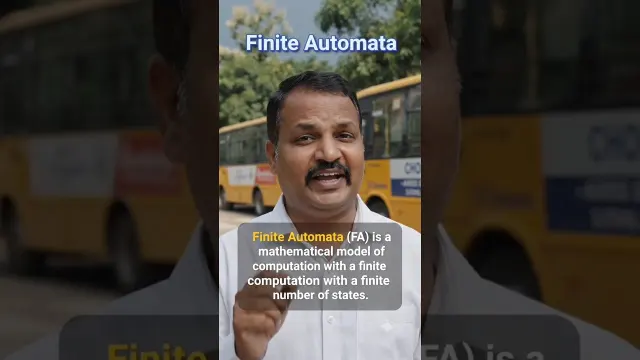
Finite Automata Explained in Quick Revision Shorts
A rapid short-form overview that is designed for quick revision of the core ideas.
-
 2
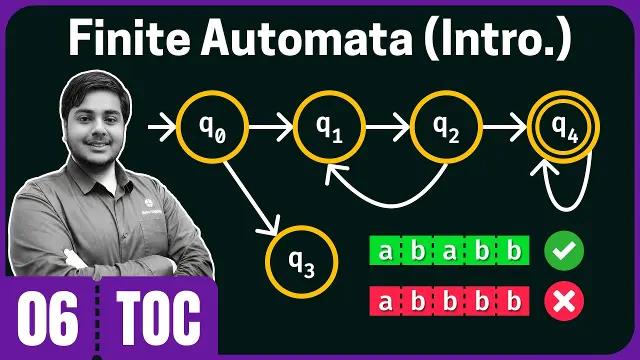
Introduction to Finite Automata and String Processing
Introduces finite automata through a definition, a practical example, and string processing.
-
 3
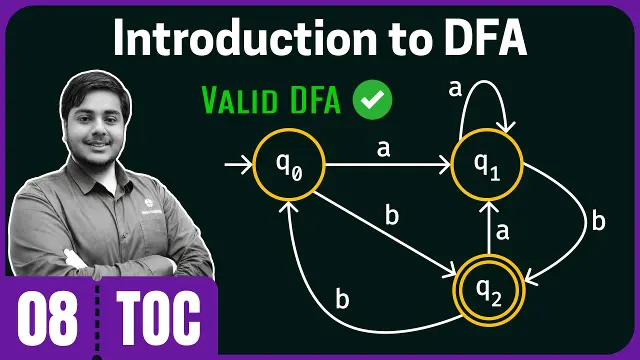
Introduction to Deterministic Finite Automata
Focuses on the basic deterministic model and its 5-tuple representation.
-
 4
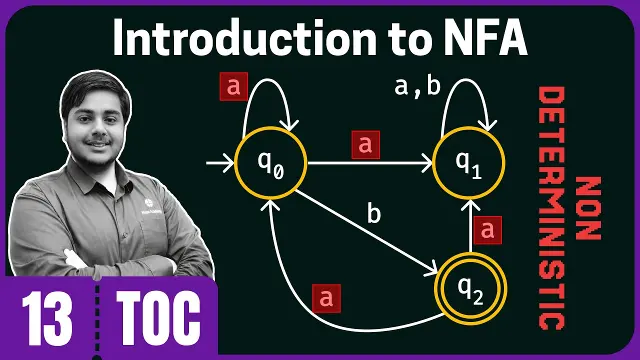
Introduction to Non-Deterministic Finite Automata
A beginner introduction to non-deterministic finite automata and their formal representation.
-
 5
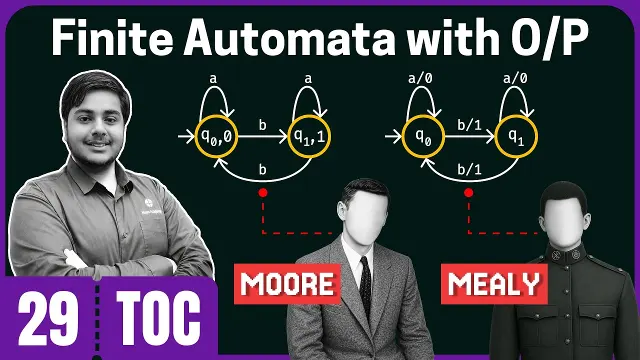
Introduction to Finite Automata with Output
Explains finite automata with output, which is a natural next step after the basic model.
-
 6
Finite Automata: The Smallest Possible Computers
Uses everyday analogies to explain finite automata as minimal computing models.
-
 7
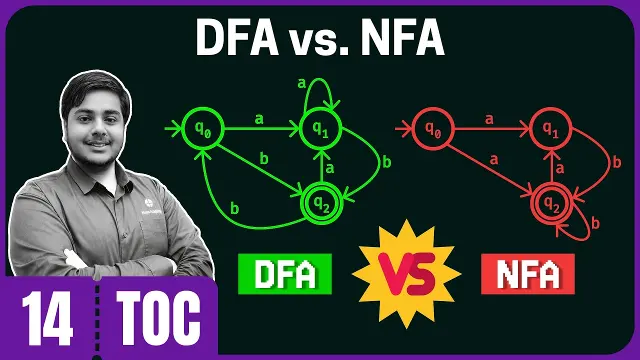
Comparing Deterministic and Non-Deterministic Automata
Helps beginners understand the difference between deterministic and non-deterministic automata.
-
 8
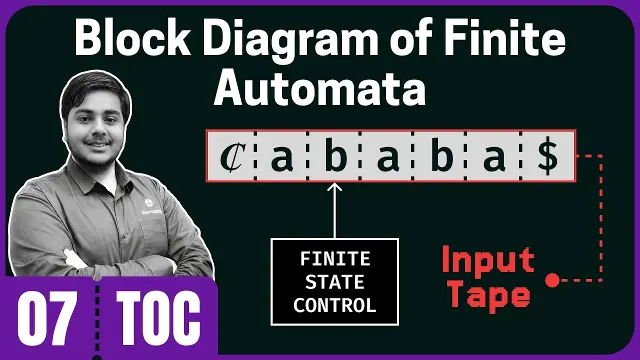
Understanding the Block Diagram of Finite Automata
Breaks down the block diagram and types of finite automata in an educational way.
-
 9
Comprehensive Guide to Finite Automata in Computer Science
A structured guide that covers the main finite automata topics in one place.
-
 10
Finite Automata Concepts for Computer Science Exams
An exam-oriented review that reinforces the standard concepts students need to know.
More #Finite Automata ideas
Picked and written by Tagrazzi; the videos and photos belong to their creators.