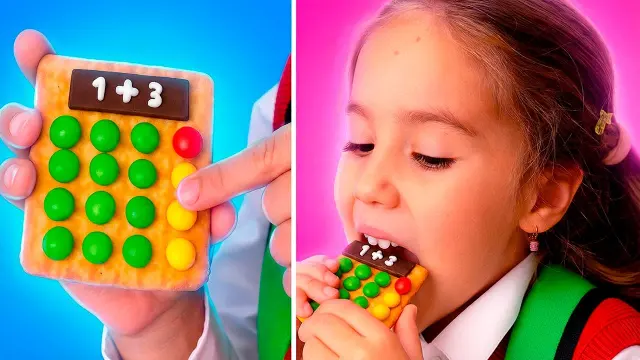
 Creative DIY tricks and sweet craft ideas for kids
#DIY
29 ideas
Creative DIY tricks and sweet craft ideas for kids
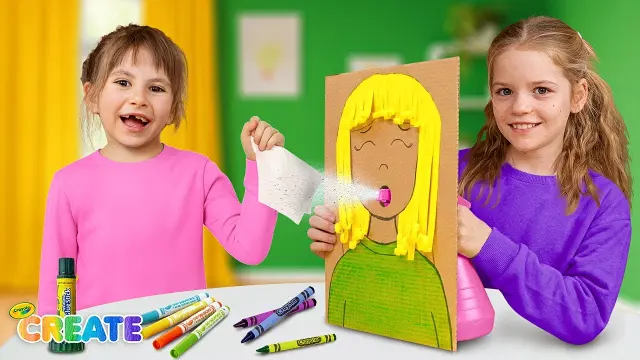 Winter hygiene crafts and learning activities
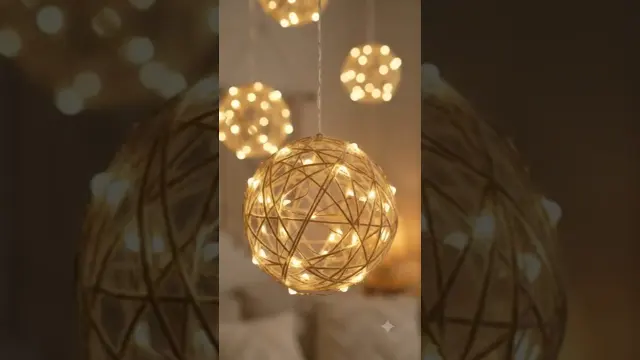 Glowing Hanging Light Globes Made From Twine and Fairy Lights
 Pearl Earrings Tutorial
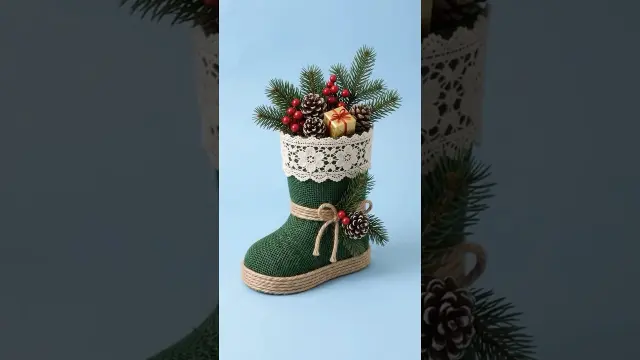 DIY Christmas Ornament Hoop Wreath with Fairy Lights
 Making a wedding reception dress from old tablecloths
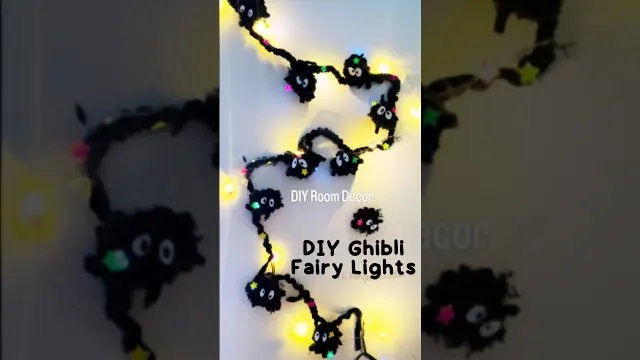 Ghibli Inspired Fairy Lights Room Decor Tutorial
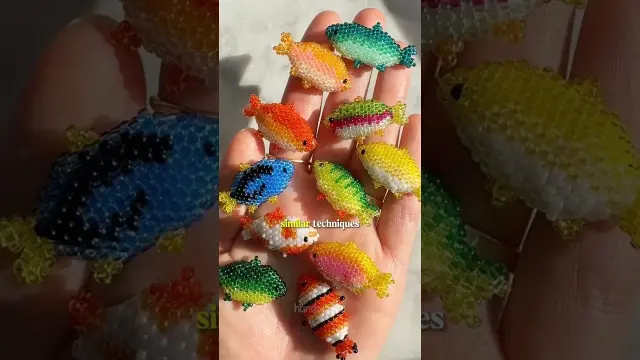 Ranking various three dimensional beading patterns
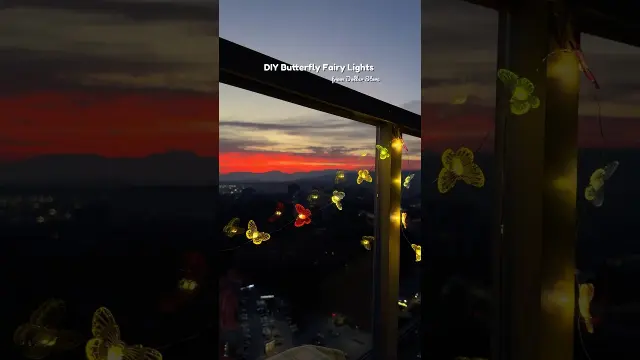 Budget Butterfly Fairy Lights Using Dollar Store Materials
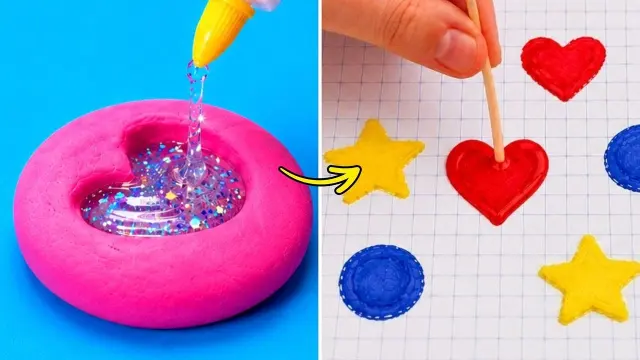 Vibrant and colorful rainbow crafts for children
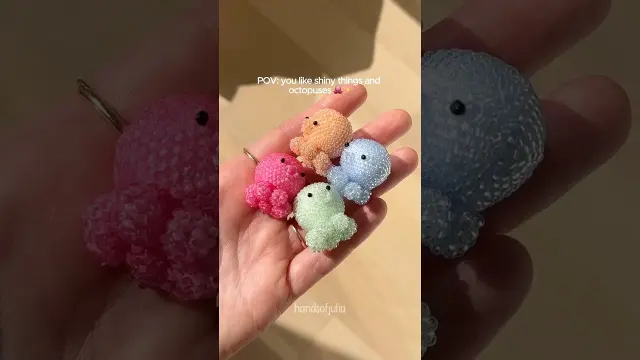 Creating a three dimensional beaded octopus figure
 Easy DIY Christmas Bottle Lights with Greenery
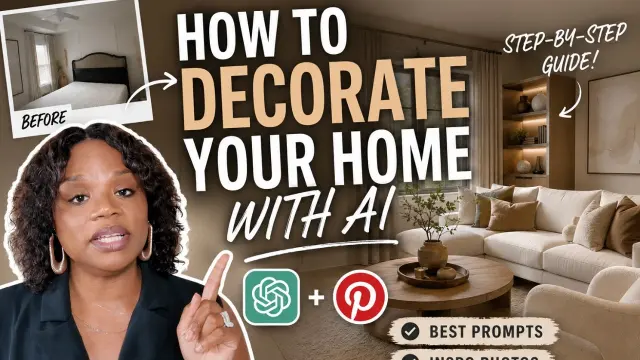 How to Decorate Your Home Using AI Step by Step Guide
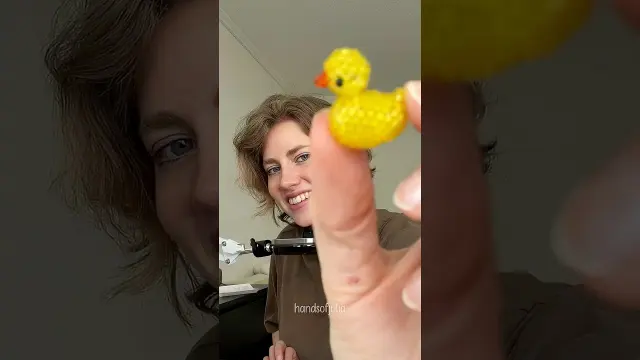 Making a Three Dimensional Beaded Rubber Duck
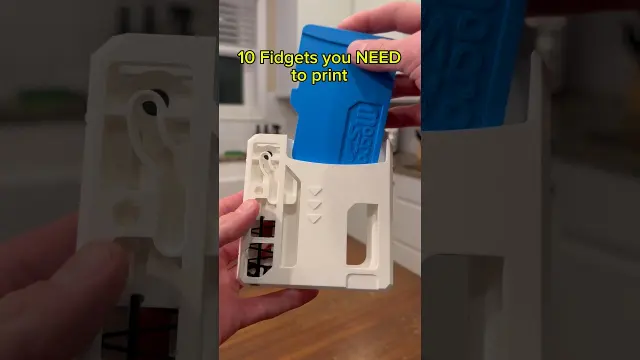 Ten 3D Printed Fidget Toys to Make
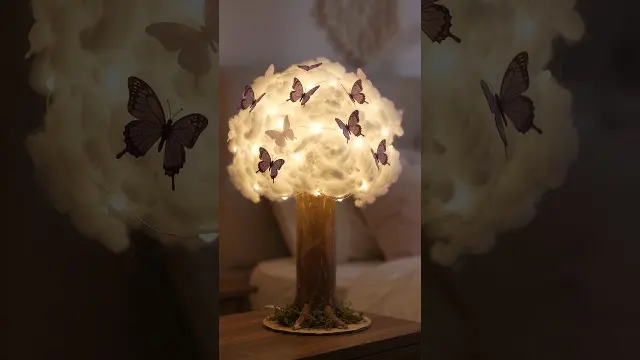 Cardboard Butterfly Fairy Tree Lamp Craft Project
 Six Brand New DIY Christmas Home Decor Projects Using Inexpensive Items
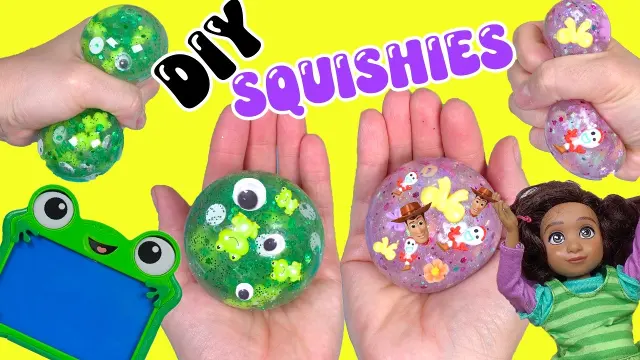 Toy Story Five Movie Themed DIY Squishies Using a Squishy Maker
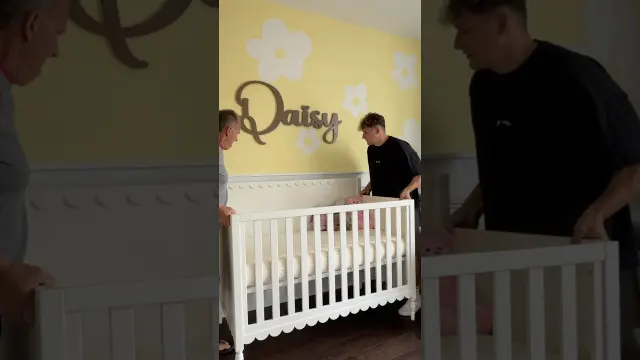 Step by Step Process of Building a Daughter's Nursery
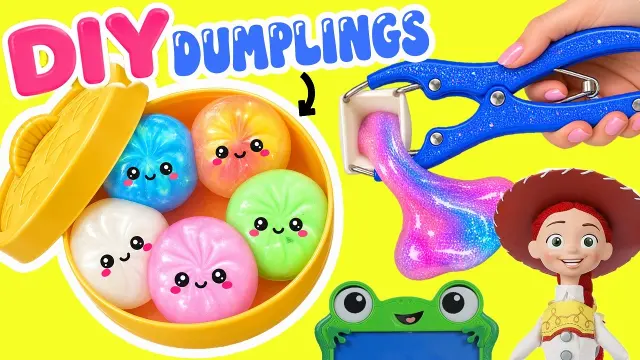 Toy Story Five Movie DIY Squishy Dumplings Tutorial
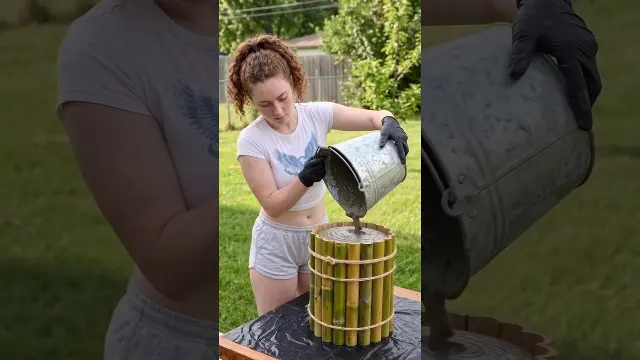 Ten Stunning DIY Gardening Ideas and Planter Designs
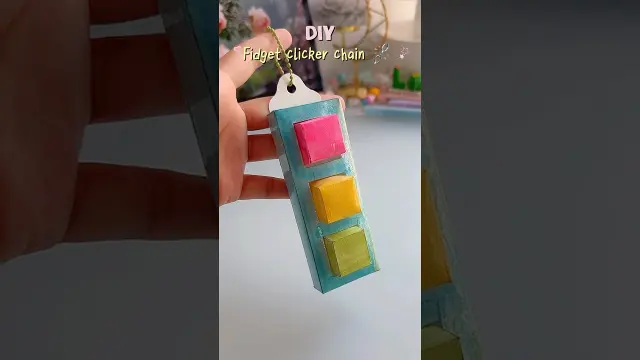 How to Make a Paper Fidget Clicker Chain
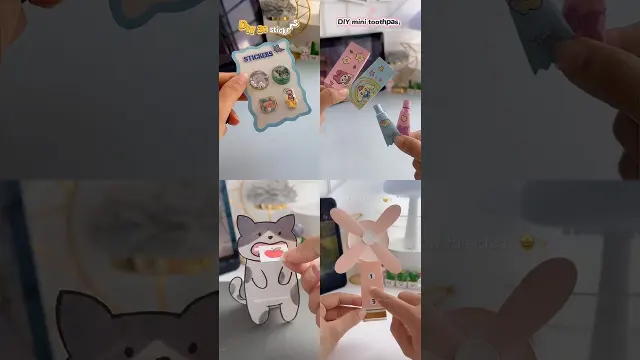 Four Easy Creative Paper Craft Ideas to Make at Home
 Dollar Tree Christmas Hacks and High End Pottery Barn Dupes
Get new #DIY ideas by email
Every Thursday: the week's best ideas, with the newest from #DIY.
Related tags
DIY Ideas and Handmade Projects
DIY, short for “do it yourself,” means making, repairing, or personalising things without hiring a professional. It can include home improvements, crafts, gifts, storage solutions, sewing, decorating, and many other hands-on projects. People are drawn to DIY because it can be creative, practical, and deeply satisfying: you end up with something useful that reflects your own style.
DIY has long roots in everyday making. Before mass-produced goods were widely available, many household items were repaired, altered, or created at home. Today, DIY continues in a modern form, combining traditional skills with simple tools and easy-to-find materials. Some projects are purely decorative, while others solve a problem, save space, or help you reuse what you already have.
Common types of DIY
DIY can be as simple or ambitious as you want. Some common kinds include:
Read more
- Home decorating, such as painting furniture, making wall art, or styling shelves
- Craft projects, such as paper crafts, candles, wreaths, or handmade cards
- Sewing and textile projects, such as cushions, curtains, tote bags, or clothing alterations
- Organisation projects, such as labels, storage boxes, and drawer dividers
- Repair and refresh projects, such as fixing loose handles, touching up surfaces, or reviving old items
Many people begin with small projects and build confidence over time. A simple project is often the best place to start, because it teaches basic skills without too much risk or expense.
What beginners should know
The most important part of DIY is planning. Before you begin, read the instructions all the way through and make sure you understand the steps. Gather every tool and material first, so you are not stopping halfway through to search for something you need.
A few habits make DIY easier and safer:
- Start with a project that matches your skill level
- Measure carefully before cutting, drilling, or attaching anything
- Work in a clean, well-lit space
- Protect your surfaces and wear suitable safety gear when needed
- Take your time, especially with glue, paint, scissors, or sharp tools
It also helps to accept that first attempts may not be perfect. DIY is often a process of learning by doing. Small mistakes can usually be fixed, and experience makes future projects easier.
Tips for better results
Choose materials that suit the project and the space where it will be used. For example, items that will be handled often should be sturdy and easy to clean. If you are decorating, think about balance, colour, texture, and scale so the finished piece feels thoughtful rather than crowded.
When possible, test on a small area first, especially with paint, adhesive, or fabric treatment. Keep leftover materials if you can, because they may help with repairs later. And if a project feels too complex, it is perfectly sensible to break it into smaller steps or ask for help with the parts that require more skill.
DIY works best when it is useful, personal, and enjoyable. Whether you are making something from scratch or giving an old item new life, the reward is not only the finished result but also the satisfaction of creating it yourself.
Videos come from YouTube and posts from Instagram; titles and summaries are our own. All rights belong to their creators.