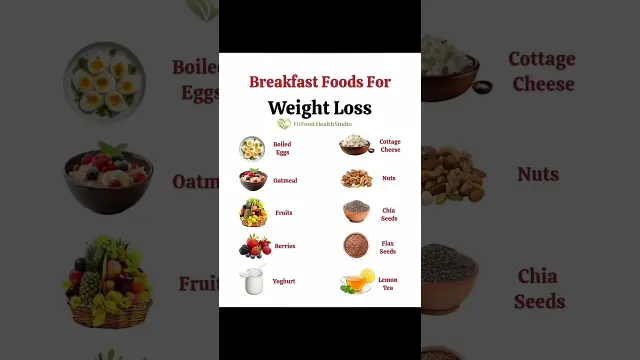
 Ten Best Breakfast Foods to Support Weight Loss
#Weight Loss
4 ideas
Ten Best Breakfast Foods to Support Weight Loss
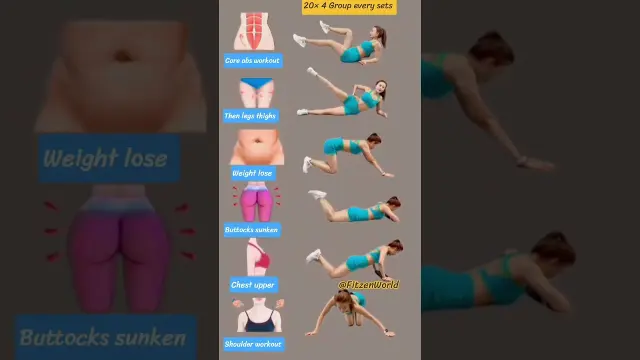 Full Body Home Workout Routine for Weight Loss
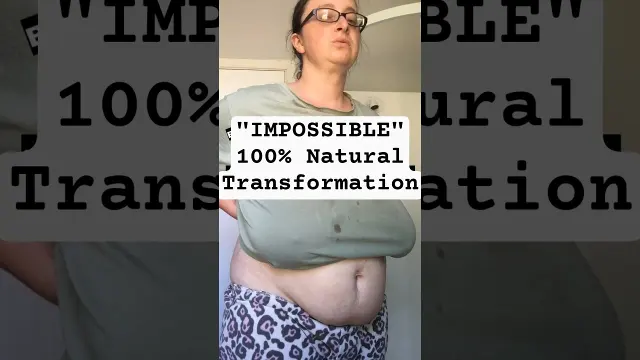 Natural Weight Loss and Body Transformation Journey
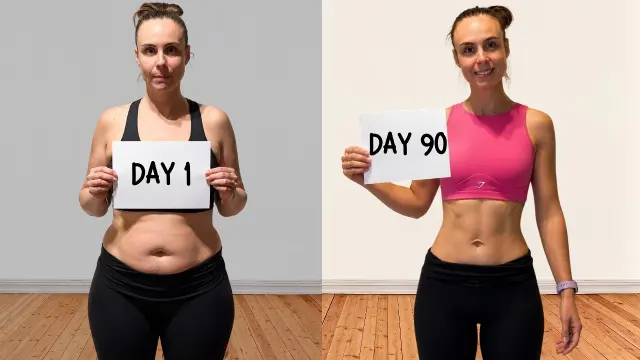 Ninety Day Beginner Body Transformation
Get new #Weight Loss ideas by email
Every Thursday: the week's best ideas, with the newest from #Weight Loss.
Related tags
Weight Loss: a practical, balanced guide
Understanding weight loss
Weight loss is a gradual reduction in body mass, usually caused by taking in less energy than your body uses over time. People often think of it only as a goal for appearance, but it can also be part of a wider effort to feel more comfortable, improve everyday habits, or support overall wellbeing. The healthiest approach is usually steady, realistic, and based on changes you can keep up long term.
What affects it
Many things influence body weight, and it is not just about food. Daily movement, sleep, stress, routine, age, genetics, hormones, and certain health conditions can all play a role. That is why two people can make similar changes and see different results. It also means that progress is not always linear. Some weeks may feel easier than others, and short-term changes in body weight can happen for many reasons, including hydration and digestion.
Read more
Common approaches
Most weight loss methods rely on the same basic principle: creating a modest energy deficit while still getting enough nourishment. A balanced approach often includes:
- Choosing regular meals and avoiding long stretches of uncontrolled hunger
- Building meals around vegetables, fruit, lean protein, whole grains, and healthy fats
- Paying attention to portions without becoming overly restrictive
- Drinking enough water and limiting excess sugary drinks
- Moving your body in ways you can repeat, such as walking, cycling, dancing, or strength exercises
- Sleeping enough and managing stress as best you can
You do not need a perfect plan. Small habits practiced consistently often matter more than strict rules that are hard to maintain.
What beginners should know
If you are starting out, keep things simple. Focus first on one or two habits instead of changing everything at once. A useful first step is to notice your usual patterns: when you get hungry, what triggers snacking, how active your day is, and where you tend to overeat. Awareness can make change feel less overwhelming.
It also helps to set goals around actions, not just numbers. For example, you might aim to cook at home more often, add a short daily walk, or build a more regular sleep routine. These habits support weight loss without making it the only measure of success.
Practical tips for a steady path
- Eat slowly and stop when you feel comfortably full
- Keep convenient, nourishing foods available
- Plan for busy days so you are less likely to rely on random choices
- Include foods you enjoy, so your routine feels sustainable
- Be patient with slow progress
- Avoid comparing your journey with other people’s
When to be careful
Very restrictive diets, skipping meals, or trying to lose weight too quickly can be hard to maintain and may leave you tired or preoccupied with food. If weight changes feel sudden, unexplained, or upsetting, or if you have a medical condition, it is sensible to speak with a qualified health professional. A supportive, balanced plan is usually the safest place to begin.
Videos come from YouTube and posts from Instagram; titles and summaries are our own. All rights belong to their creators.