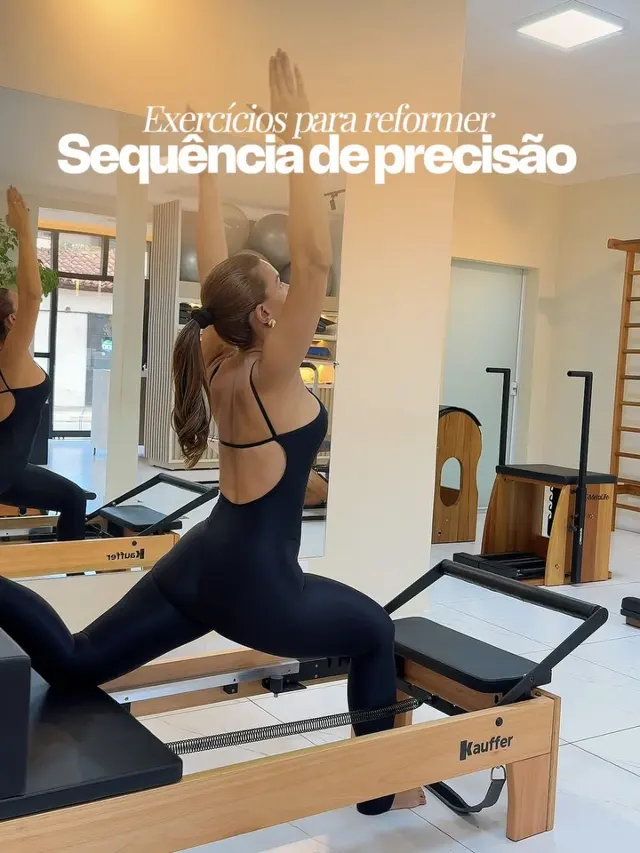
 Precision and mobility on the reformer
#Pilates
33 ideas
Precision and mobility on the reformer
 Post pilates glow and recovery session
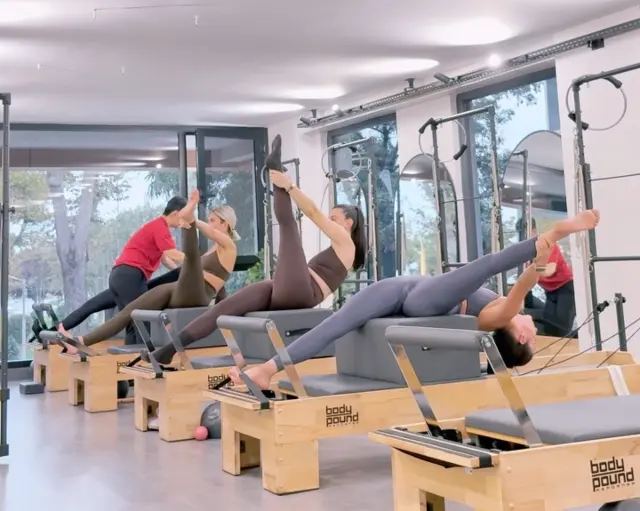 Turkey pilates instructor education reformer training
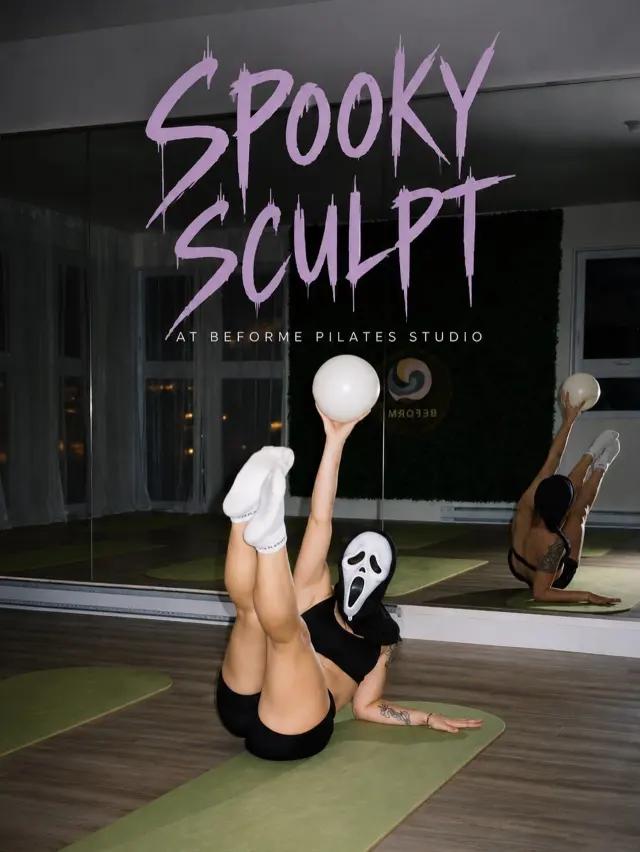 Spooky sculpt candlelit pilates night event
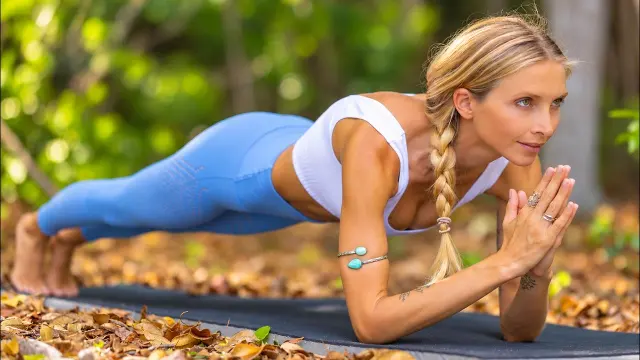 30 Minute Full Body Yoga and Pilates Workout
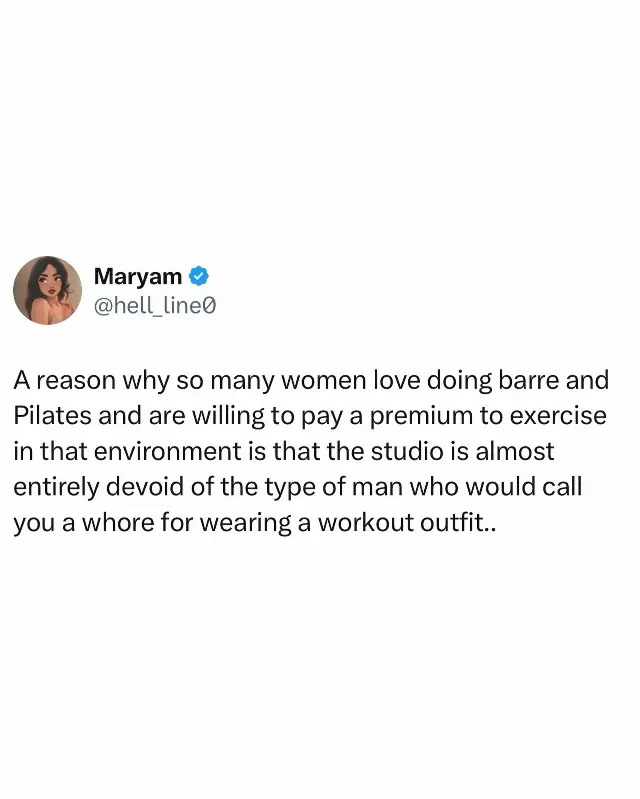 The truth about practicing pilates for body strength
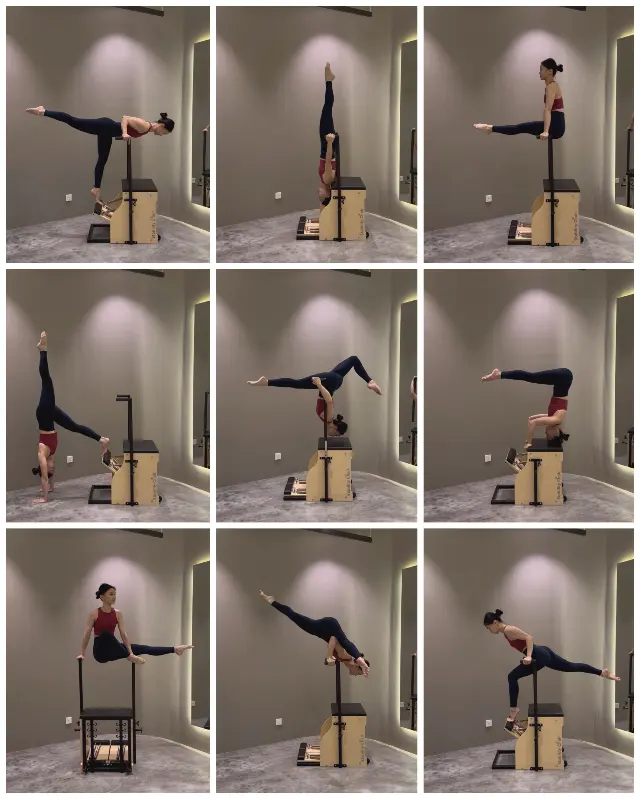 Wunda chair movement challenges and shapes
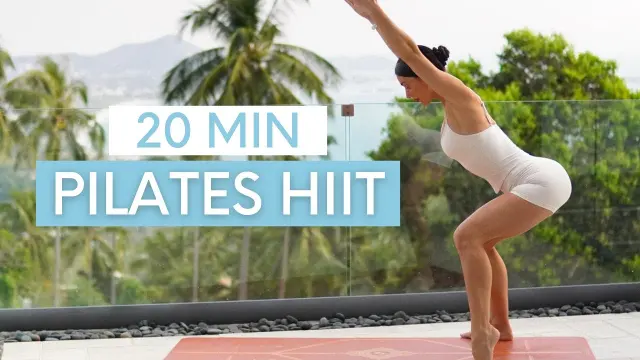 20 minute low impact pilates hiit workout with stretching
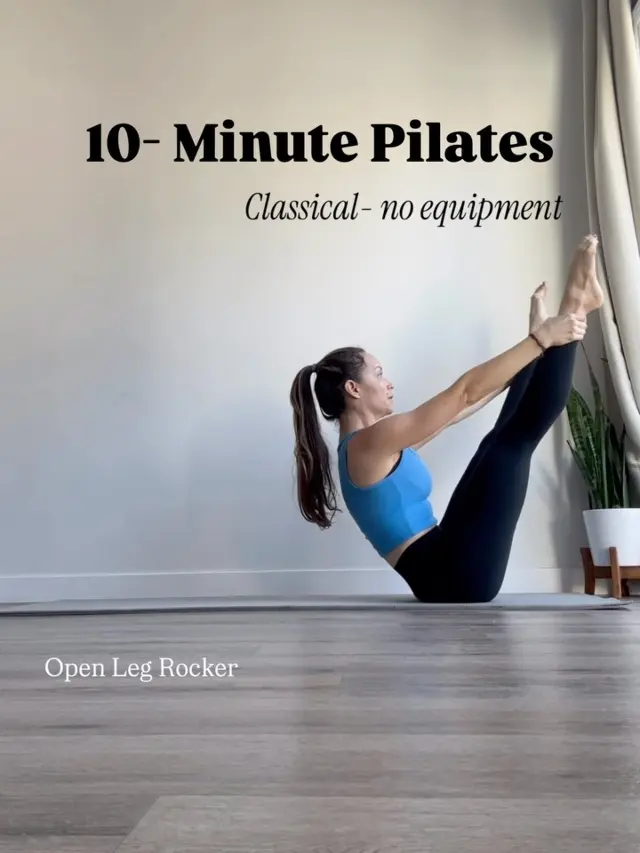 Classical home pilates exercises without equipment
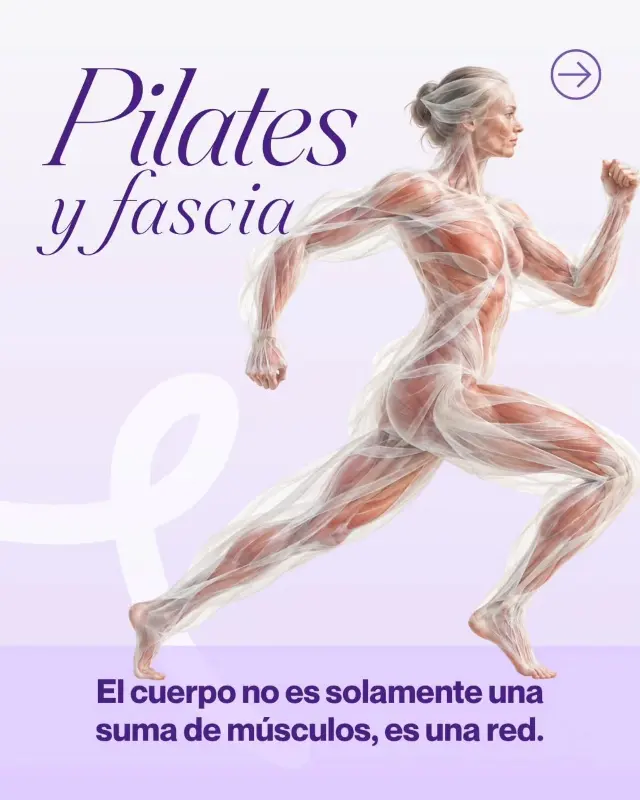 Understanding the role of fascia in movement and posture
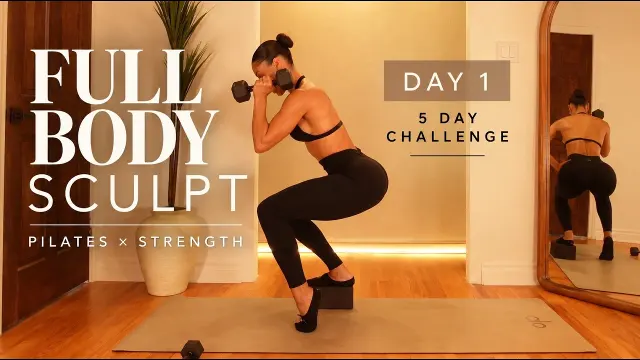 35 minute full body sculpt combining pilates and strength training
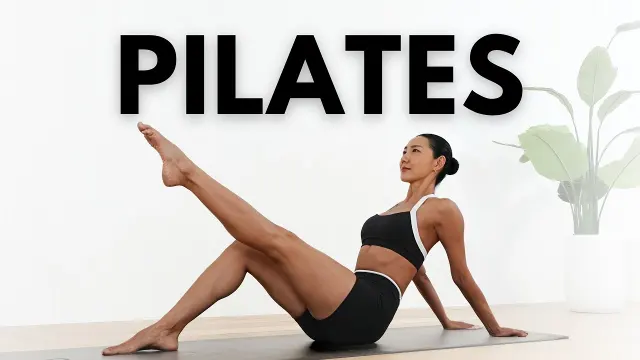 40 minute full body tone up pilates workout without equipment
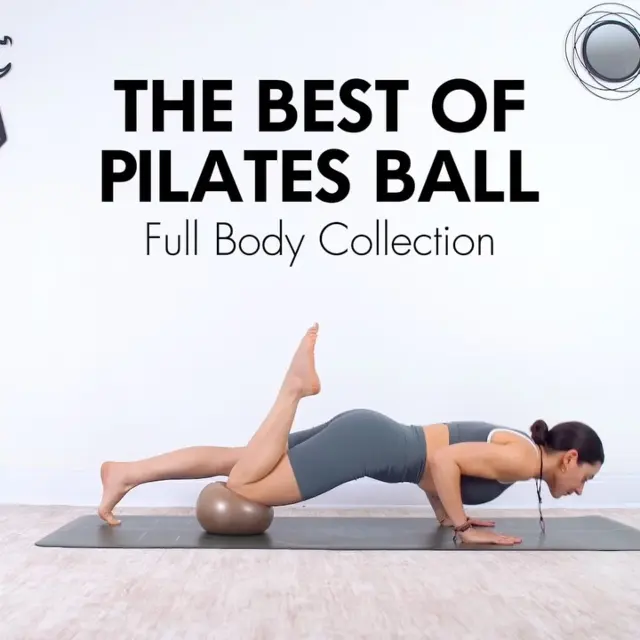 Effective pilates ball moves for your next session
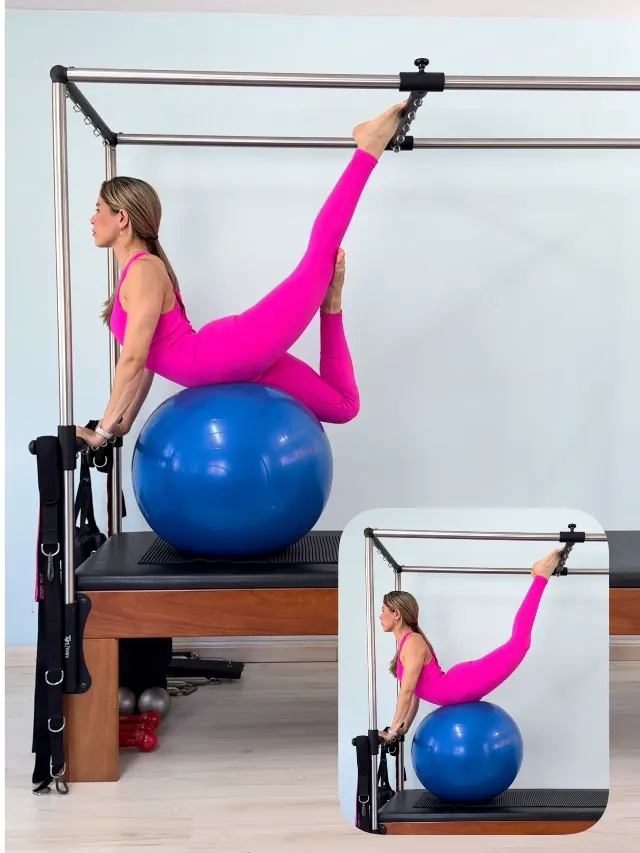 Spine extension exercises for better mobility and strength
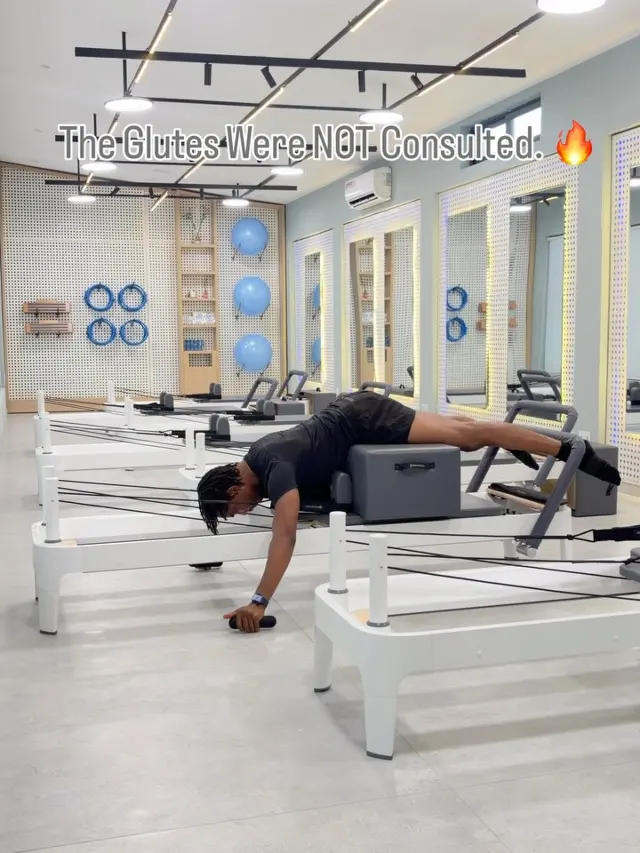 Posterior chain workout on the short box
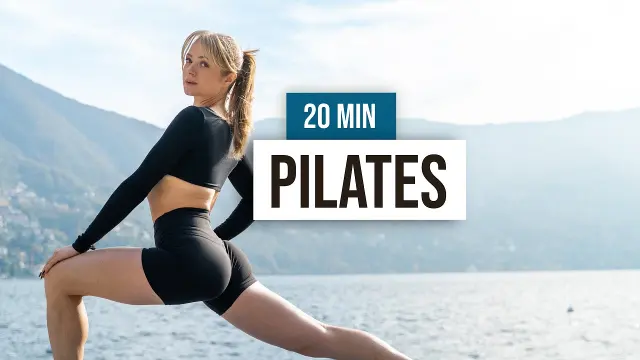 Full body 20 minute home pilates workout without equipment
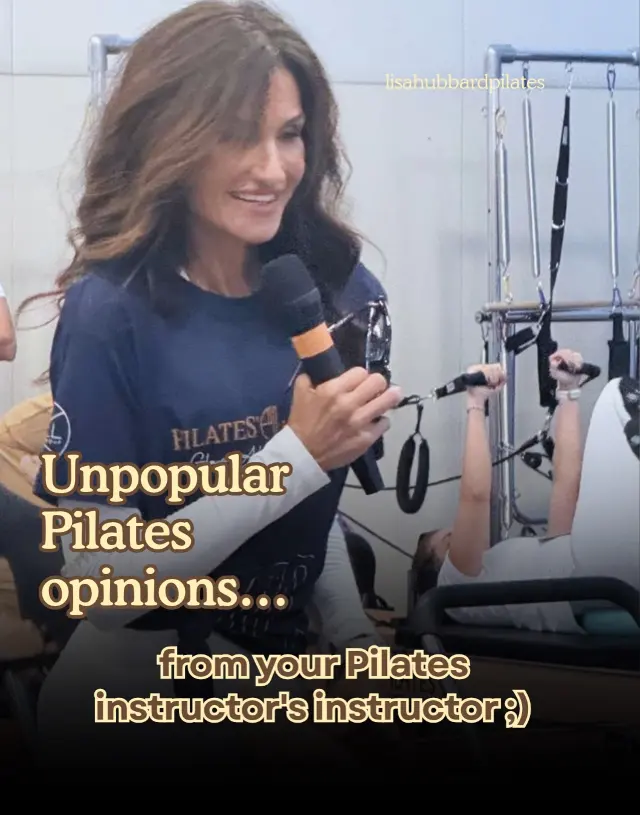 Reflections on thoughtful teaching after years in Pilates
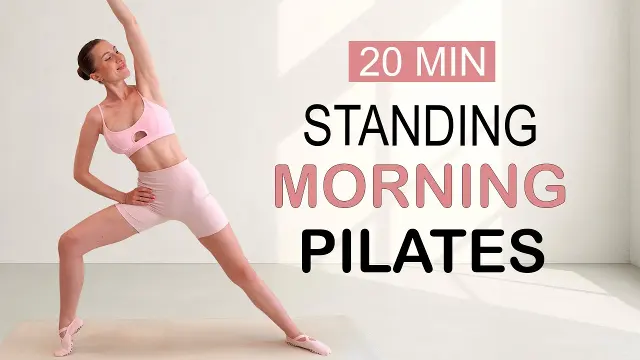 20 minute standing morning pilates for toning and stretching
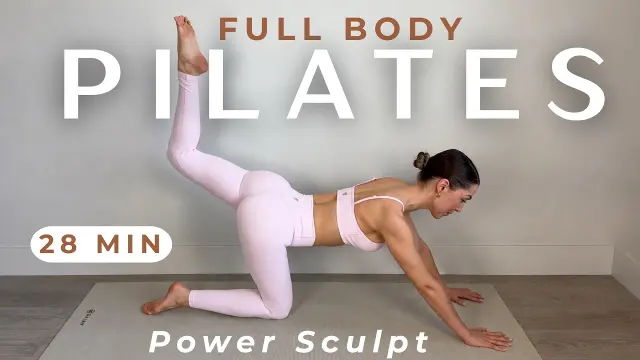 28 minute full body pilates power sculpt for muscle building
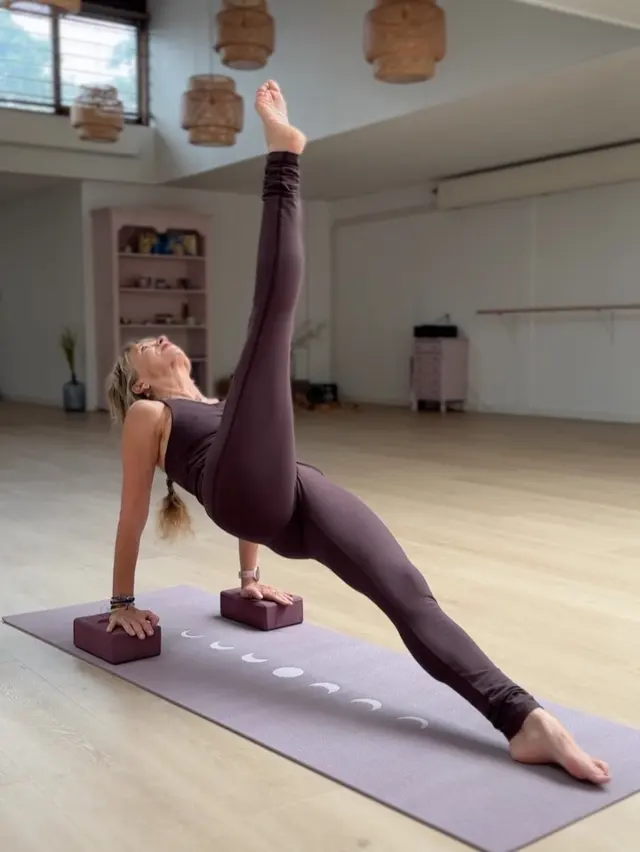 Mindful mat pilates flow with yoga block
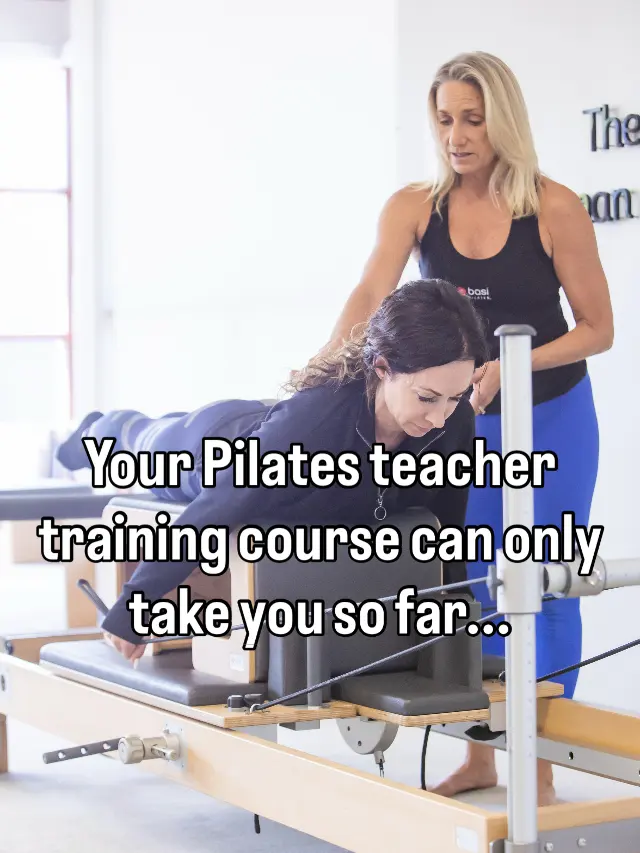 Continuing education for professional Pilates instructors
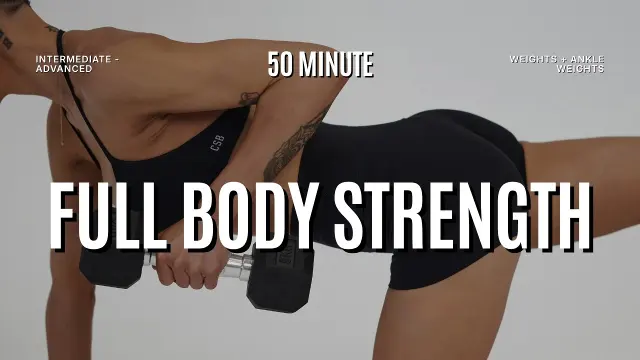 50 minute intermediate and advanced full body strength pilates
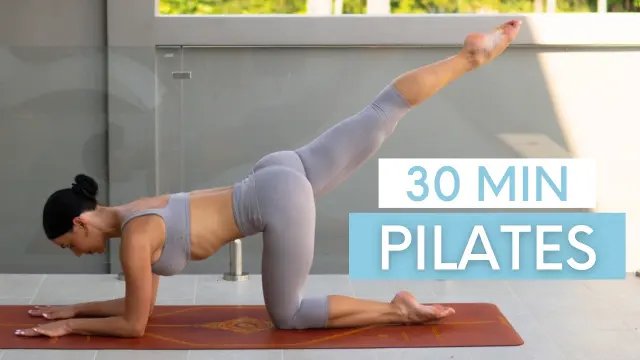 30 minute intermediate mat pilates workout for full body
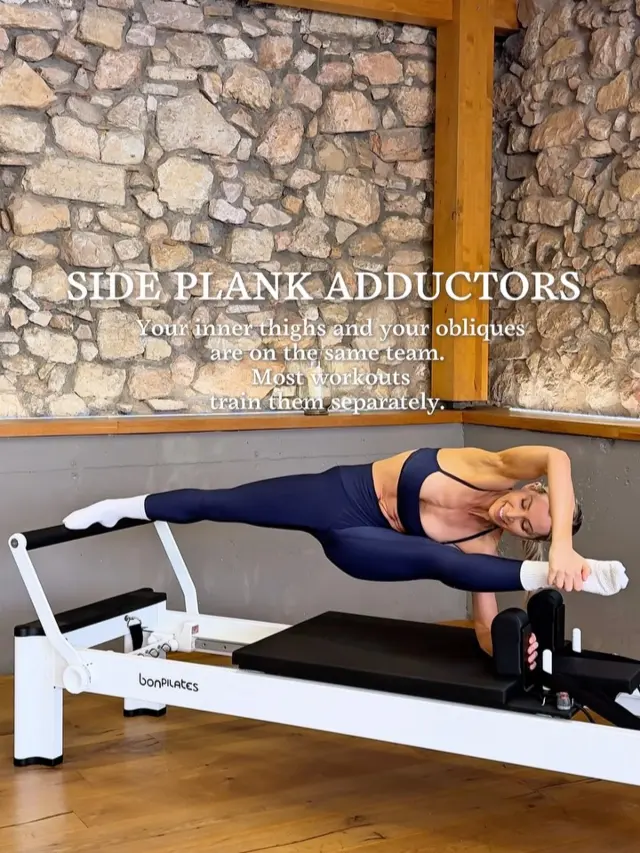 Side support sequence for lateral sling stability
Get new #Pilates ideas by email
Every Thursday: the week's best ideas, with the newest from #Pilates.
Related tags
Pilates Guide for Strength, Posture, and Control
Pilates is a form of exercise that focuses on controlled movement, breathing, alignment, and core strength. It was developed as a method for improving balance, stability, and overall body awareness. Today, it is used for fitness, conditioning, and gentle strength work, both on a mat and with specialized equipment.
What Pilates is
At its heart, Pilates trains you to move with precision rather than speed. Many exercises target the deep muscles of the abdomen, back, hips, and pelvic area, but the method also works the arms, legs, and glutes. Because the movements are low impact, Pilates can feel approachable while still being challenging when practiced with good form and control.
Pilates is often chosen by people who want to improve posture, develop a stronger center, or move more efficiently in daily life. It can also be a useful complement to other forms of exercise because it encourages mobility, stability, and coordination.
Read more
Main styles and equipment
There are two broad ways to practice Pilates:
- Mat Pilates, which uses a mat and body weight for resistance
- Apparatus-based Pilates, which uses equipment designed to add support or resistance
Mat work is the most accessible place to begin. It can be done almost anywhere and usually introduces the basic ideas of breath, alignment, and core engagement. Equipment-based practice may offer more support or more challenge, depending on the exercise and the resistance used.
Within the method, you may also notice different teaching styles. Some classes emphasize slower, more precise movement, while others are more athletic and dynamic. Both can be true to Pilates as long as control, alignment, and breathing remain central.
What to focus on as a beginner
If you are new to Pilates, start with the basics and move slowly. The goal is not to rush through repetitions but to feel how each part of the body works together. A few things help a lot:
- Learn neutral spine and good posture before trying harder sequences
- Keep the breath steady and do not hold it
- Use a smaller range of motion if that helps you stay in control
- Move with quality rather than quantity
- Rest when you need to, especially if your form starts to slip
It is normal for Pilates to feel subtle at first. Small movements can become surprisingly demanding when they are done with attention and control.
Practical tips for safer practice
Wear comfortable clothing that lets you move freely. A mat with enough support can make floor work more comfortable. If an exercise causes pain, stop and choose a gentler version. It is better to make a movement smaller or simpler than to force your body into a position that does not feel right.
If you want to build consistency, practice regularly rather than occasionally. Even short sessions can help you become more familiar with the exercises and more aware of how you hold and move your body.
Why people keep returning to it
Pilates remains popular because it is adaptable. It can be gentle or demanding, simple or highly technical, and it suits many different fitness goals. Whether you are looking for core strength, better posture, or a more mindful way to exercise, Pilates gives you a structured method for building control from the inside out.
Videos come from YouTube and posts from Instagram; titles and summaries are our own. All rights belong to their creators.