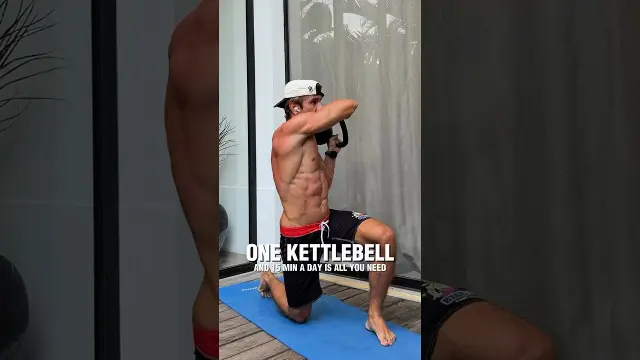
 Fifteen Minute Full Body Kettlebell Training Session
#Fitness
23 ideas
Fifteen Minute Full Body Kettlebell Training Session
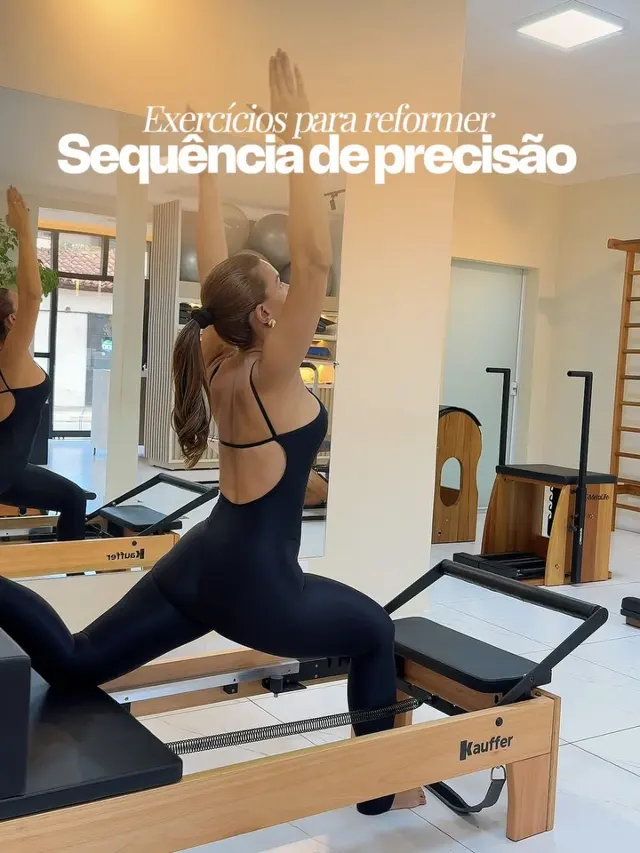 Precision and mobility on the reformer
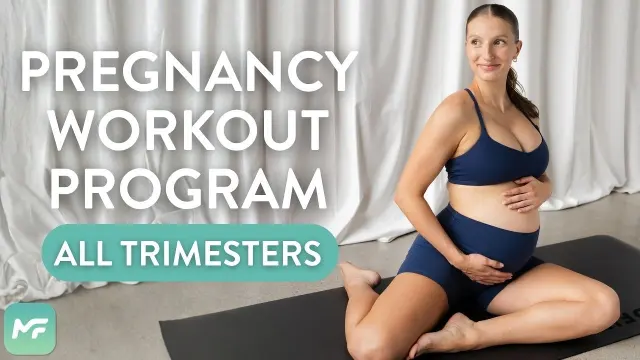 Comprehensive Prenatal Workout Program for All Trimesters
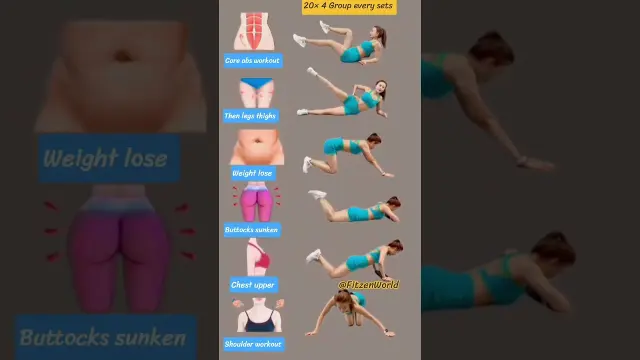 Full Body Home Workout Routine for Weight Loss
 Core and Fitness Body Transformation
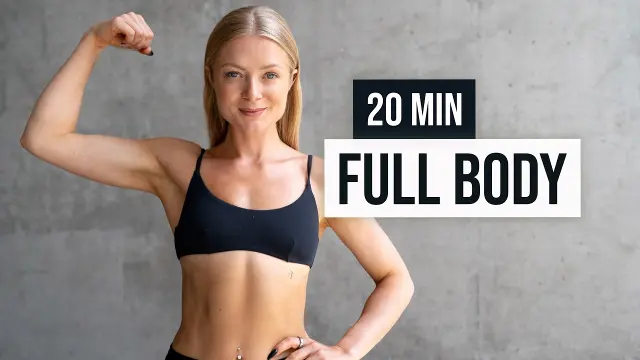 Twenty Minute No Equipment Full Body Calisthenics
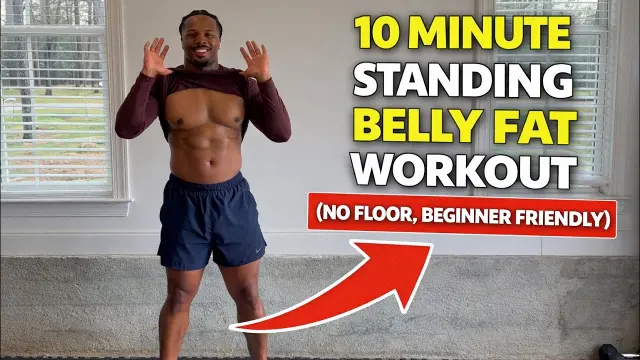 Ten Minute Standing Belly Fat Home Workout Routine
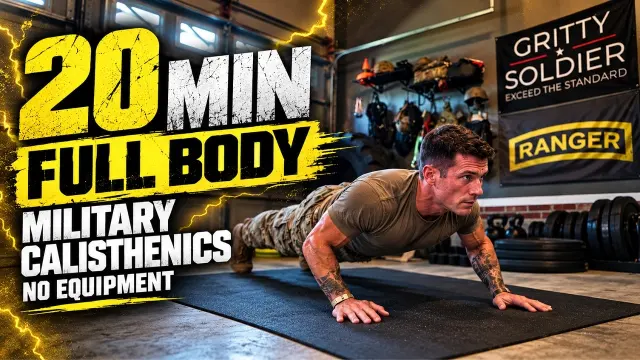 Twenty Minute Military Calisthenics Total Body Routine
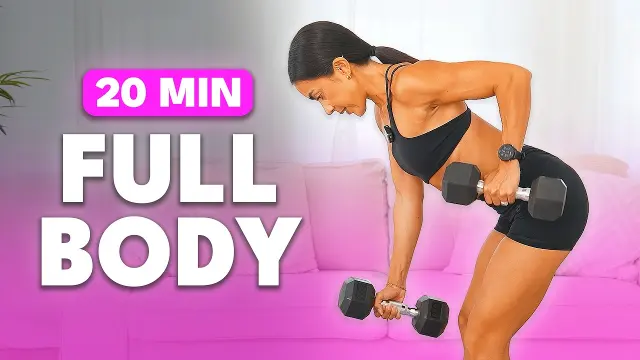 Twenty Minute All Standing Dumbbell Workout
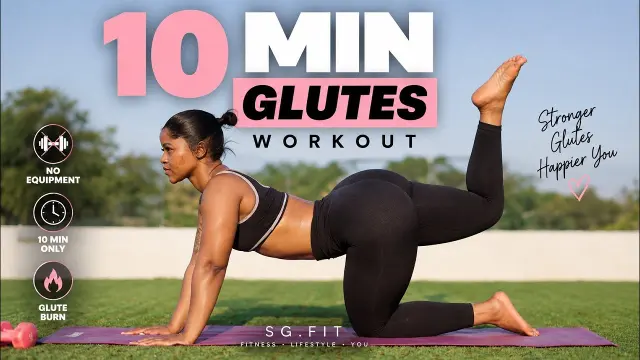 At-Home Glute Workout for Strength and Tone
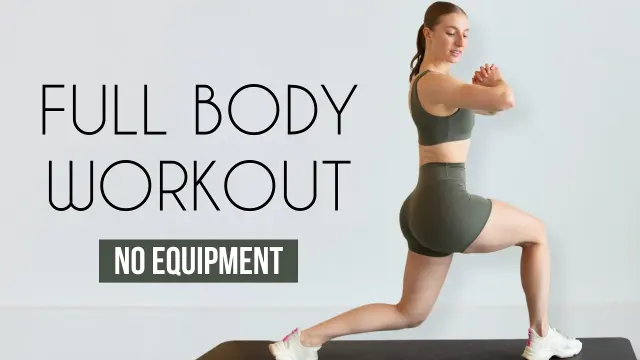 Twenty Minute Full Body Functional Home Workout
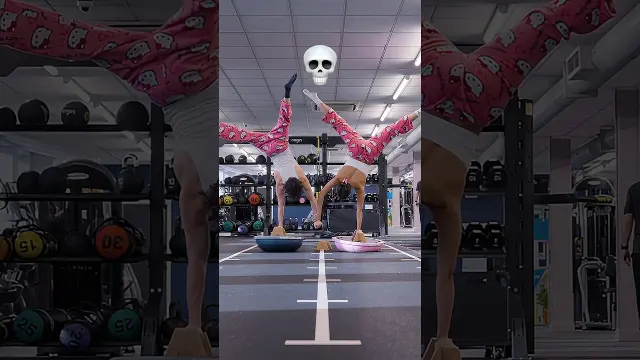 Calisthenics Gym and Body Transformation
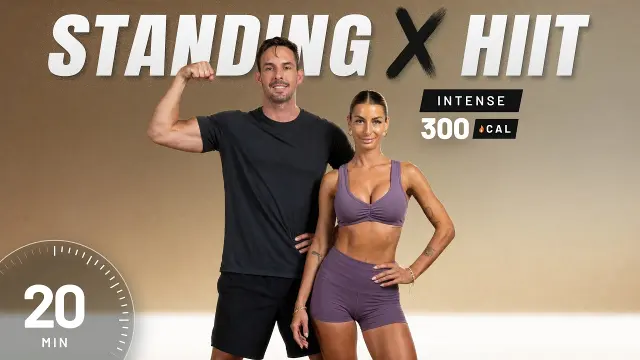 Twenty Minute All Standing Cardio HIIT Circuit
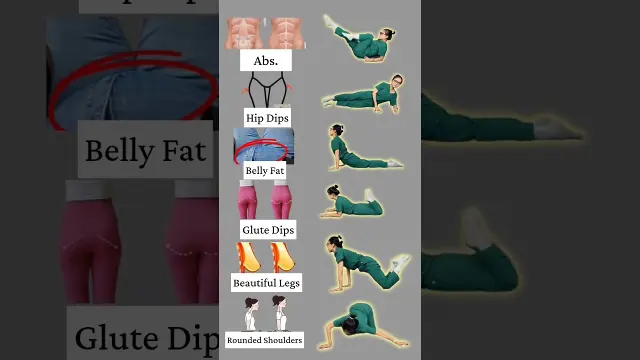 Six Home Exercises for Core Glutes and Posture
 The truth about practicing pilates for body strength
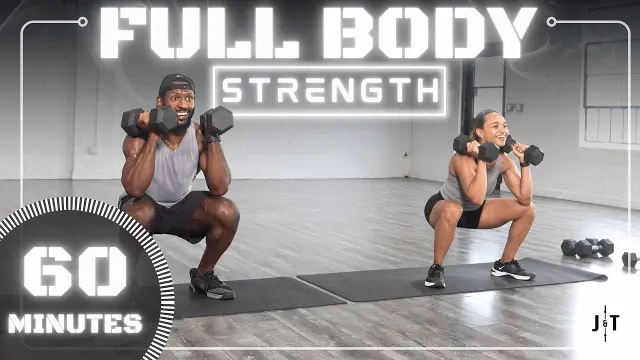 Sixty Minute Full Body Strength Training with Dumbbells
 Effective Biceps Workout Routine at Home
 Seated Morning Chair Exercises for Core Strength
 Essential Calisthenics L-Sit Progression Tutorial
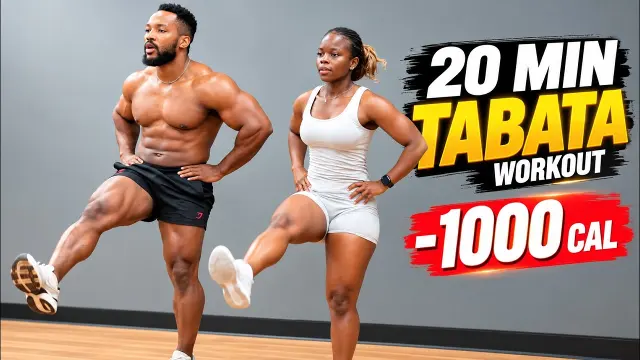 Twenty Minute Tabata Full Body HIIT Workout
 Effective Triceps Workout Routine at Home
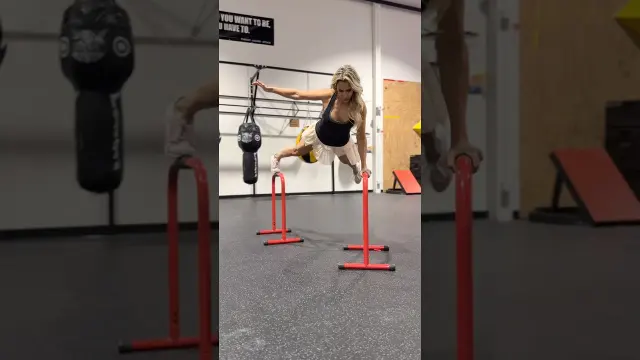 Challenging One-Arm One-Leg Push-Up Demonstration
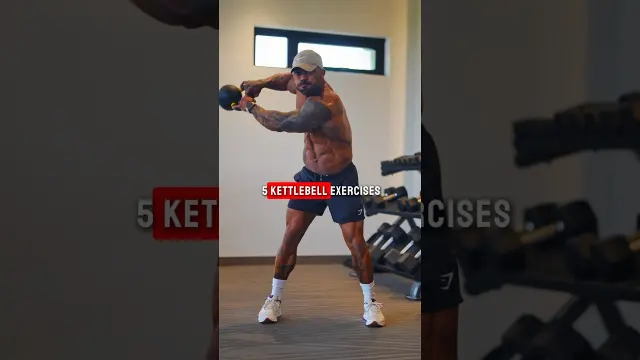 Full Body Kettlebell Workout with Five Exercises
Get new #Fitness ideas by email
Every Thursday: the week's best ideas, with the newest from #Fitness.
Related tags
Fitness: Building Strength, Energy and Balance
Fitness is the ability to use your body well in everyday life. It includes strength, endurance, mobility, balance, coordination and recovery, not just how you look or how much weight you can lift. People pursue fitness for many reasons: to feel stronger, move with less effort, support their health, improve performance in a sport, or simply have more energy for daily life.
What fitness includes
A balanced fitness routine usually has several parts:
- Cardio or aerobic work, such as brisk walking, cycling, swimming or dancing, which helps build endurance.
- Strength training, which uses your body weight, free weights, machines or resistance bands to make muscles stronger.
- Mobility and flexibility work, which helps joints move comfortably through a healthy range.
- Balance and coordination practice, which supports steadiness and control.
- Recovery, including rest, sleep and lighter days, which allows your body to adapt.
Read more
You do not need to do everything at once. Even a simple routine can be effective if you repeat it consistently.
Where fitness comes from
Physical training has existed for as long as people have needed to hunt, work, travel and defend themselves. Over time, different cultures developed their own systems of movement, from military drills and sport to dance, gymnastics and recreational exercise. Modern fitness combines many of these traditions. That is why you can find everything from running plans and gym workouts to yoga, calisthenics and functional training under the same broad idea.
Main styles and approaches
There are many ways to train, and the best one is the one you can keep doing.
- Calisthenics uses your own body weight and builds control, strength and skill.
- Gym-based strength training often focuses on progressive overload, meaning you gradually make exercises harder.
- Endurance training develops your heart and lungs through sustained movement.
- Mobility-focused practice helps you feel looser and more comfortable in daily movement.
- Functional training emphasizes movements that resemble real-life actions like squatting, reaching, carrying and pushing.
Many people do best with a mix of these rather than only one style.
Getting started
If you are new to fitness, start smaller than you think you need to. A short routine done regularly is better than an ambitious plan you cannot maintain. Begin with exercises you can do with good form, and leave a little energy in reserve. That helps you recover and reduces the chance of feeling overwhelmed.
A few practical tips can help:
- Warm up gently before harder exercise.
- Learn basic movement patterns first, such as squat, push, pull, hinge and carry.
- Progress slowly by adding a little more time, resistance or repetitions.
- Rest when needed and pay attention to aches, fatigue and technique.
- Choose activities you genuinely enjoy, because enjoyment makes consistency easier.
Fitness as a long-term habit
Good fitness is less about perfection and more about rhythm. A routine that fits your life will usually do more for you than a strict plan you abandon after a few weeks. If you keep moving, vary your training, and give recovery the respect it deserves, fitness can become a steady part of your everyday well-being.
Videos come from YouTube and posts from Instagram; titles and summaries are our own. All rights belong to their creators.