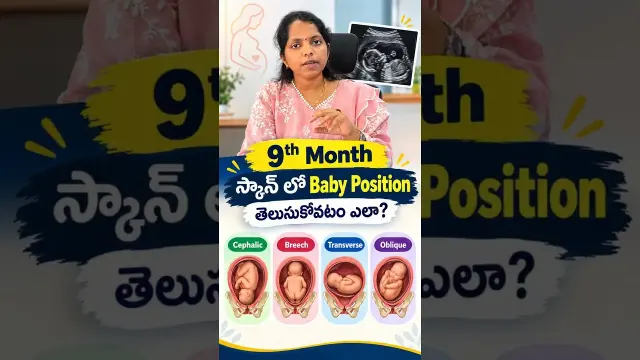
 Understanding Baby Positions During the Final Month Scan
#Pregnancy
11 ideas
Understanding Baby Positions During the Final Month Scan
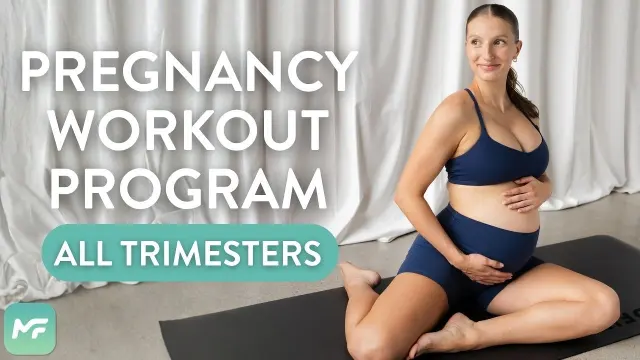 Comprehensive Prenatal Workout Program for All Trimesters
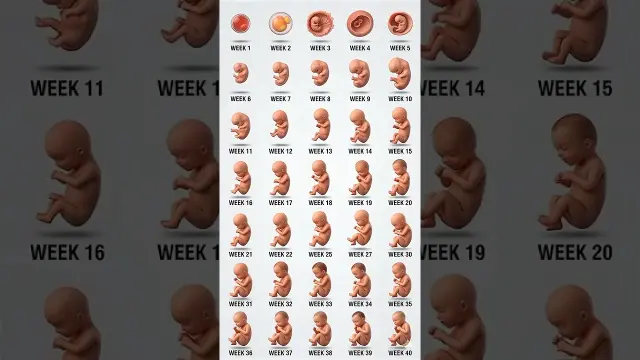 Week-by-Week Baby Developmental Stages from Week 1 to 40
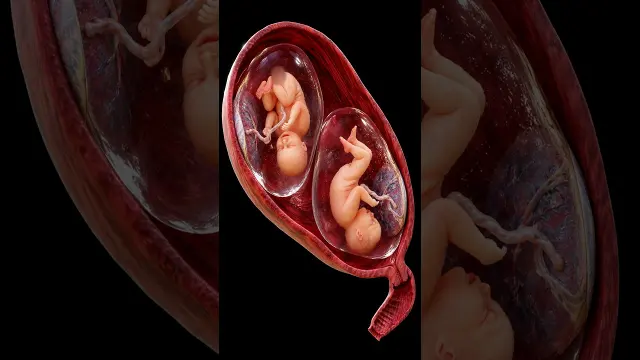 Anatomical 3D View of Twins Developing Inside the Womb
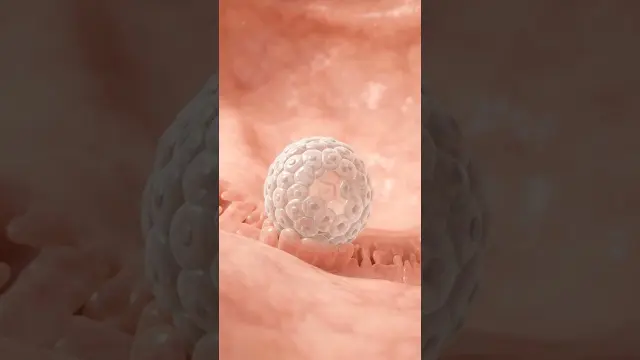 The First Two Weeks of Pregnancy and Early Embryo Development
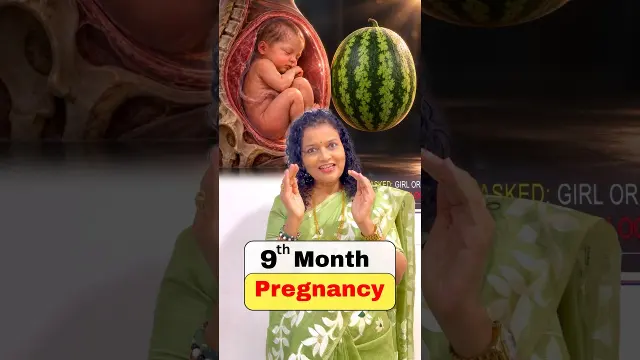 What to Expect During the Ninth Month of Pregnancy
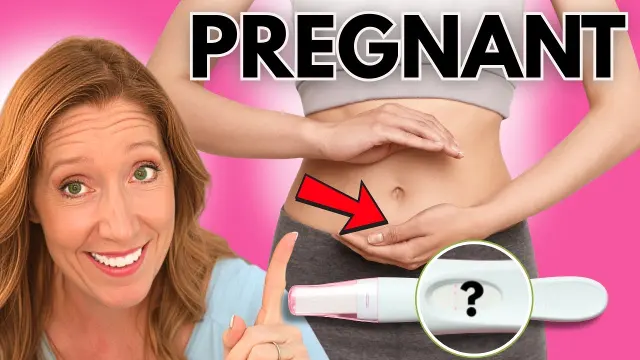 Recognizing Early Signs of Pregnancy Before a Missed Period
 Managing Early Complications During the First Month
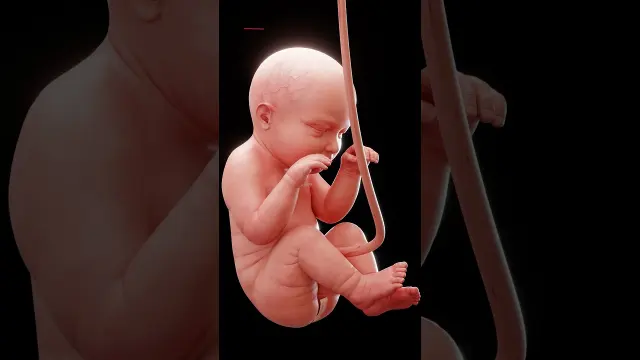 Visualizing Nine Months of Human Prenatal Development
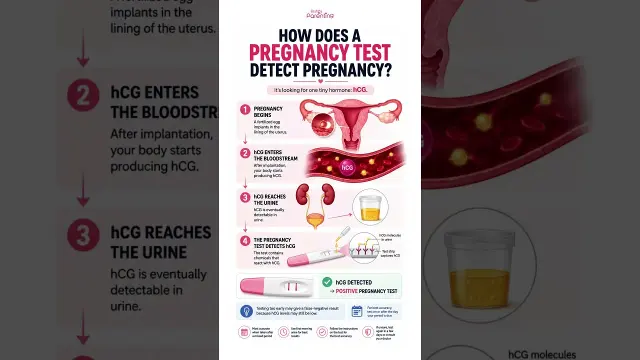 How Home Pregnancy Tests Detect Human Chorionic Gonadotropin
 Best Sleeping Positions and Comfort Tips During Pregnancy
Get new #Pregnancy ideas by email
Every Thursday: the week's best ideas, with the newest from #Pregnancy.
Related tags
Pregnancy Guide
Pregnancy is the period in which a baby develops in the uterus, from conception until birth. It is a natural process, but it can feel very different from one person to another. Some people notice changes early, while others feel well for much of the time. Learning what pregnancy involves can help you feel more prepared and confident as your body changes.
What pregnancy means
Pregnancy begins when a fertilised egg implants in the uterus. From there, the body starts working in many ways at once to support the growing baby. Hormones change, blood volume increases, and the uterus gradually expands. These changes can affect energy levels, appetite, mood, digestion, sleep, and skin. Many of these shifts are normal, though they can still be uncomfortable.
Common stages
Read more
Pregnancy is usually described in three trimesters. In the first trimester, the body adjusts to early hormonal changes, and symptoms such as tiredness, nausea, breast tenderness, or frequent urination may appear. The second trimester is often a steadier phase, when energy may improve and the pregnancy starts to become more visible. In the third trimester, the baby grows rapidly, and the body prepares for birth, which may bring back fatigue, pressure, and difficulty finding a comfortable sleeping position.
What beginners should know
If you are pregnant for the first time, it can help to focus on simple, steady habits rather than trying to do everything perfectly. Regular prenatal care is important, because it gives you a chance to check how the pregnancy is progressing and to ask questions. Rest when you can, drink enough water, and eat a varied diet that includes nourishing foods from different groups. Gentle movement, if it feels comfortable and is allowed for you, can support wellbeing.
It is also wise to notice what feels normal for your body and what does not. Mild discomforts can be part of pregnancy, but severe pain, heavy bleeding, strong headaches, sudden swelling, or anything that feels worrying should be discussed with a healthcare professional.
Practical tips for everyday life
- Keep small snacks nearby if nausea or hunger comes and goes.
- Wear supportive, comfortable clothing and shoes as your body changes.
- Try to sleep on your side if that feels more comfortable later in pregnancy.
- Break tasks into smaller parts and accept help when you need it.
- Stay hydrated, especially in warm weather or if you feel tired.
- Make time for calm routines such as walking, stretching, or quiet rest.
Different experiences and styles of care
Every pregnancy is unique. Some people prefer a very structured approach with detailed planning, while others take a simpler, day-by-day path. There is no single perfect style of pregnancy care. What matters most is listening to your body, keeping in touch with your healthcare provider, and making choices that feel safe and realistic for you.
Pregnancy can bring excitement, uncertainty, and many questions at once. With good information, gentle self-care, and support from the people around you, it becomes easier to move through each stage with more confidence.
Videos come from YouTube and posts from Instagram; titles and summaries are our own. All rights belong to their creators.