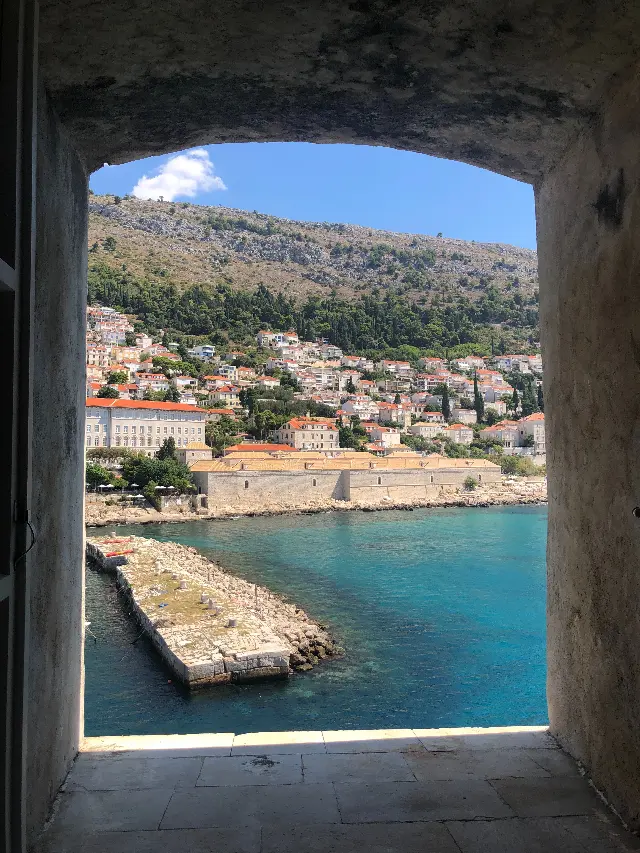
 Exploring the Historic Old Town of Dubrovnik in Croatia
#Travel
31 ideas
Exploring the Historic Old Town of Dubrovnik in Croatia
 Celebrating a Wedding Anniversary at Disney Parks
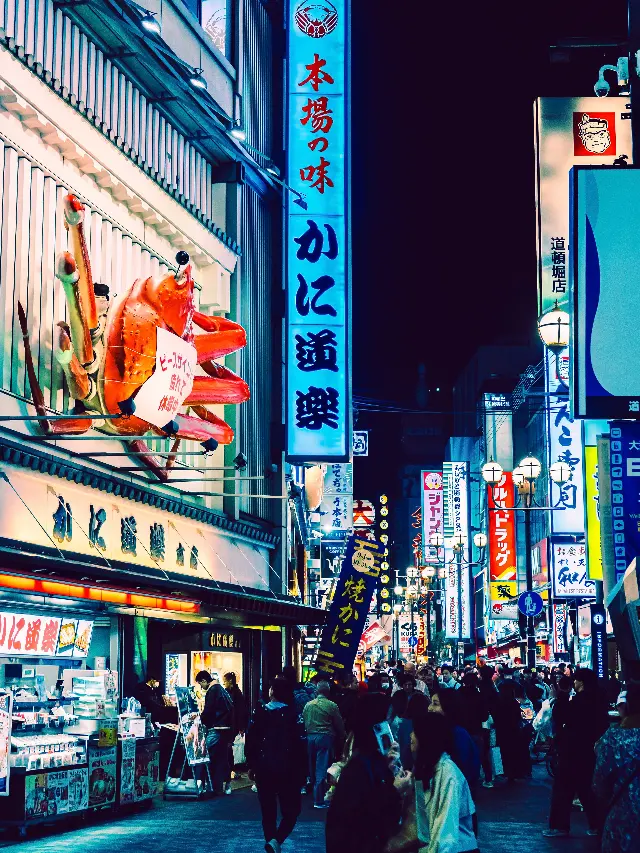 Experiencing Vibrant Nightlife and Retro Charm in Osaka
 Scuba Diving with Sharks and Mantas in Komodo National Park
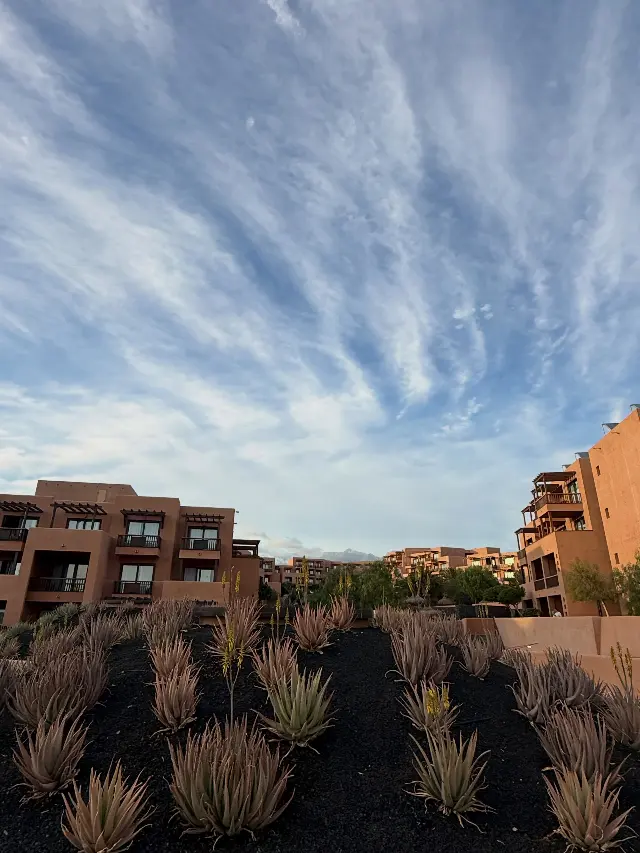 Enjoying the Relaxing Holiday Environment in Tenerife
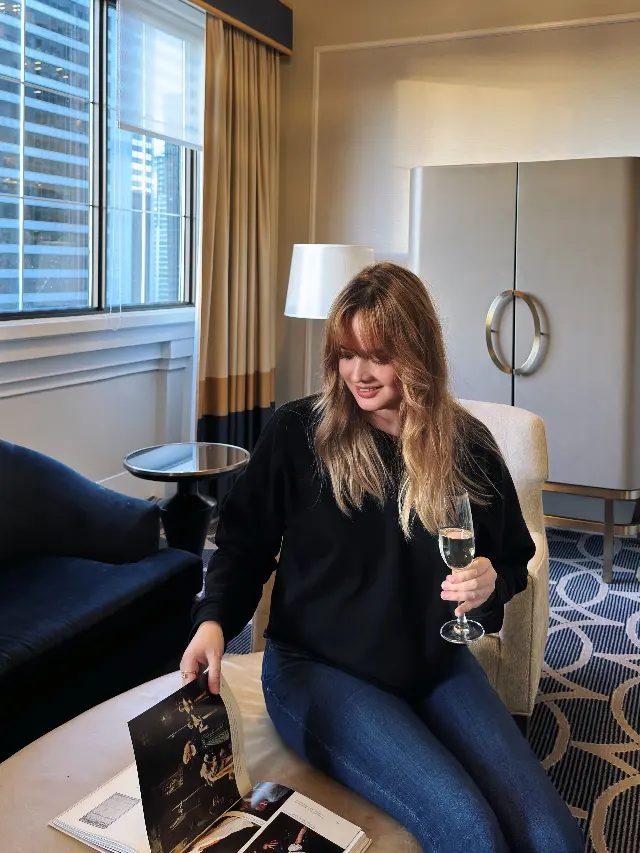 A Weekend Stay at the Historic Fairmont Hotel Vancouver
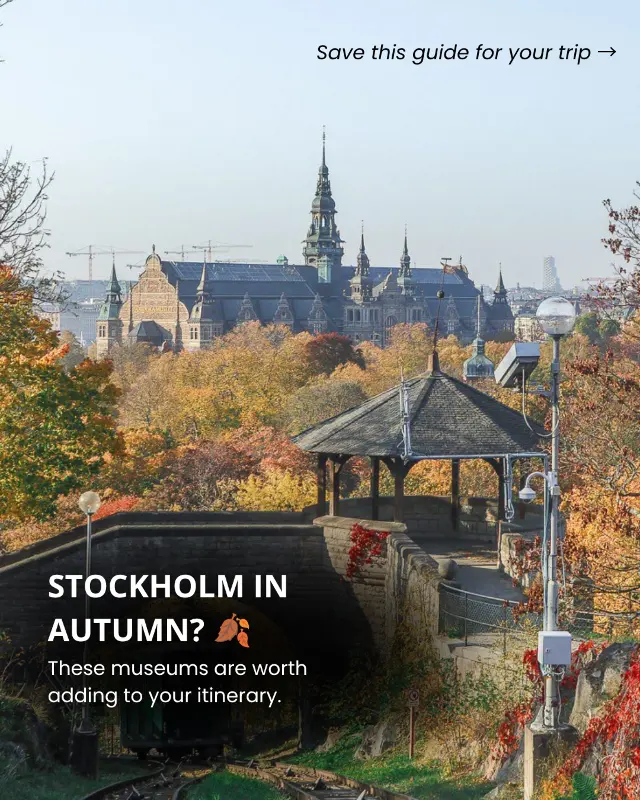 Autumn Museum Guide for Visiting Stockholm in Sweden
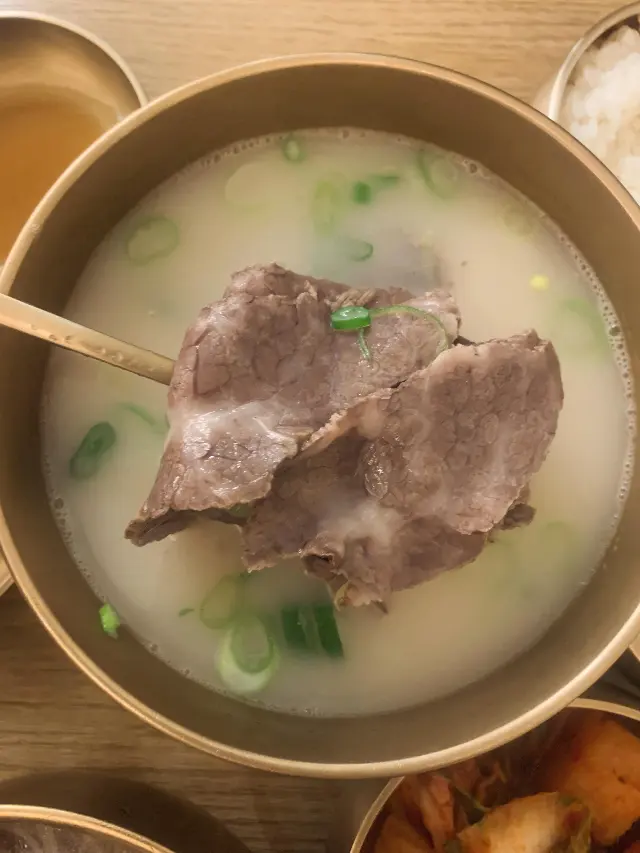 Tasting Traditional Beef Bone Soup Near Gwangalli Beach
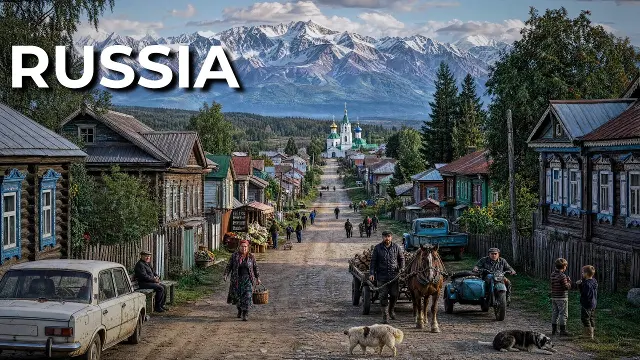 Russia: A 4K Travel Documentary Exploring the Country
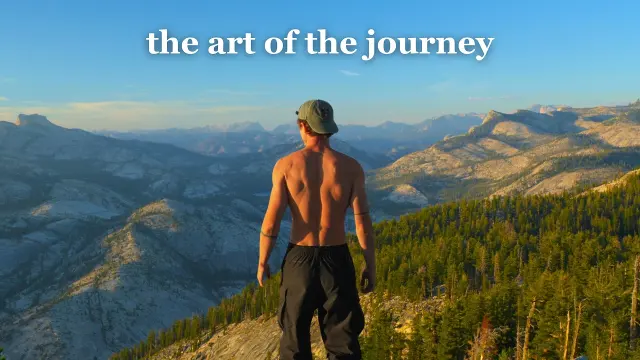 Solo Travel Adventure: Three Days Camping in Yosemite National Park
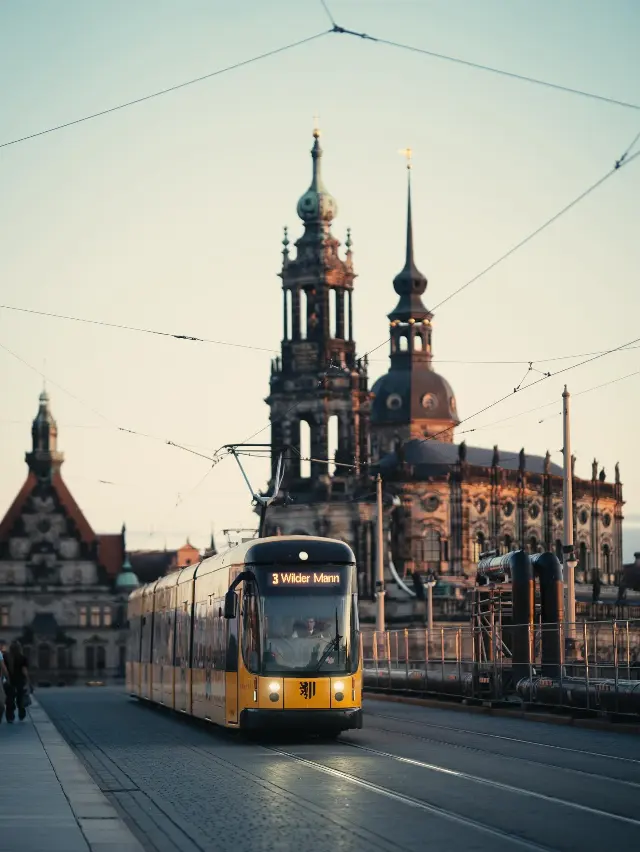 Getting Around the City of Dresden by Various Transport
 Wonders of Italy: Discovering the Most Beautiful Country in 4K
 How Two Cats Spent Their Thirteen Hour Flight to Japan
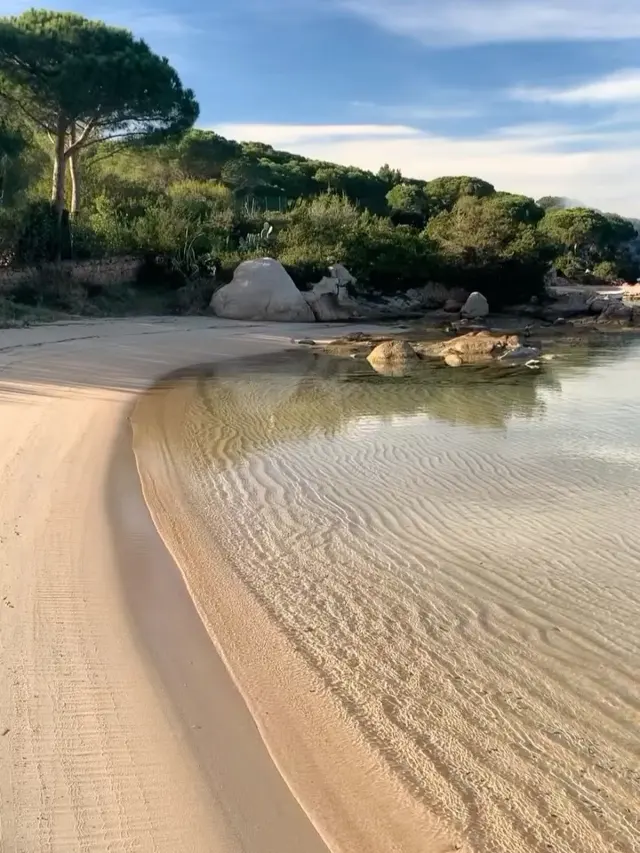 Stunning Beaches and Turquoise Waters in Sardinia, Italy
 Enjoying Pour Over Coffee at Human Made Seoul Cafe
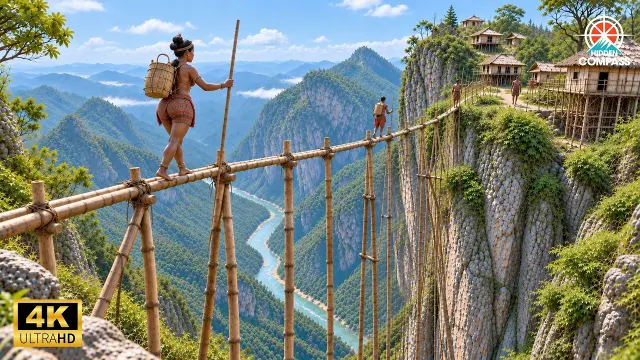 Exploring the World's Most Dangerous and Impossible Villages in 4K
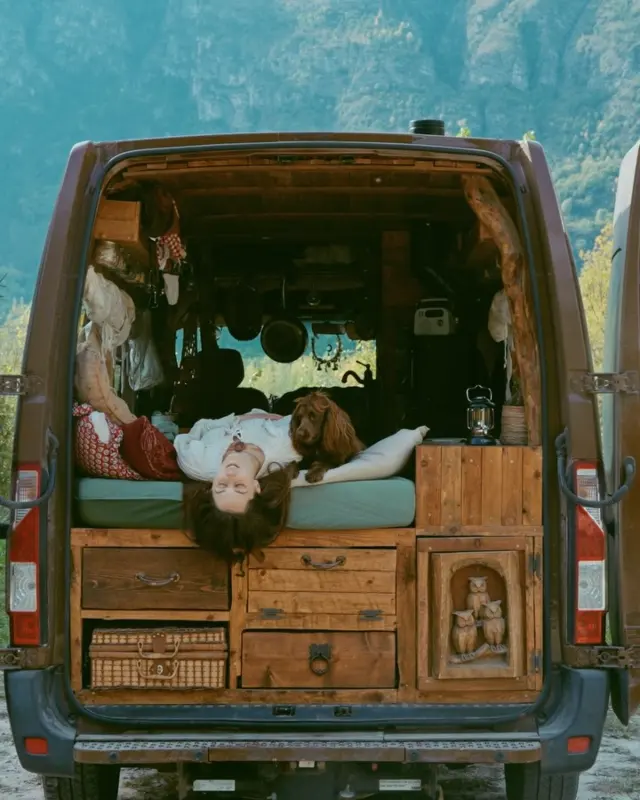 Cinematic Road Trip With A Childhood Best Friend
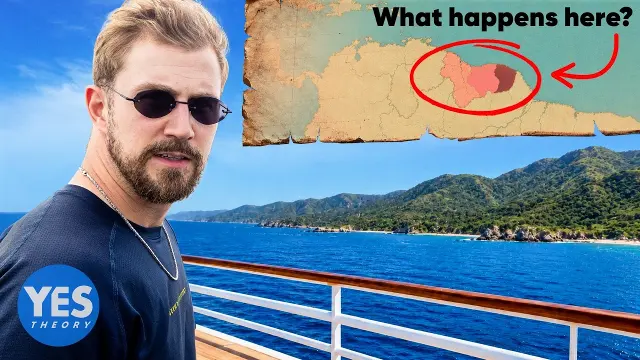 Exploring South America's Strangest and Least Traveled Countries
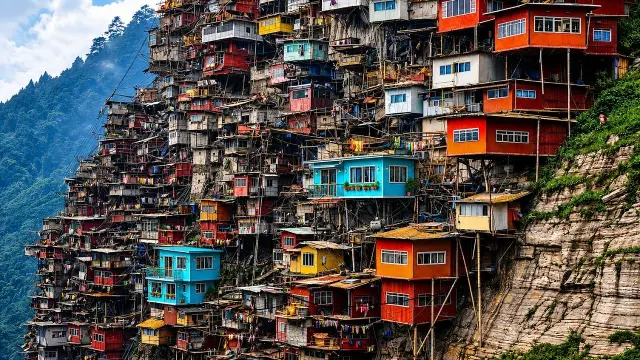 Journey to the Most Extreme Places on Earth in 4K
 Capturing Urban Scenes and Video in Hong Kong
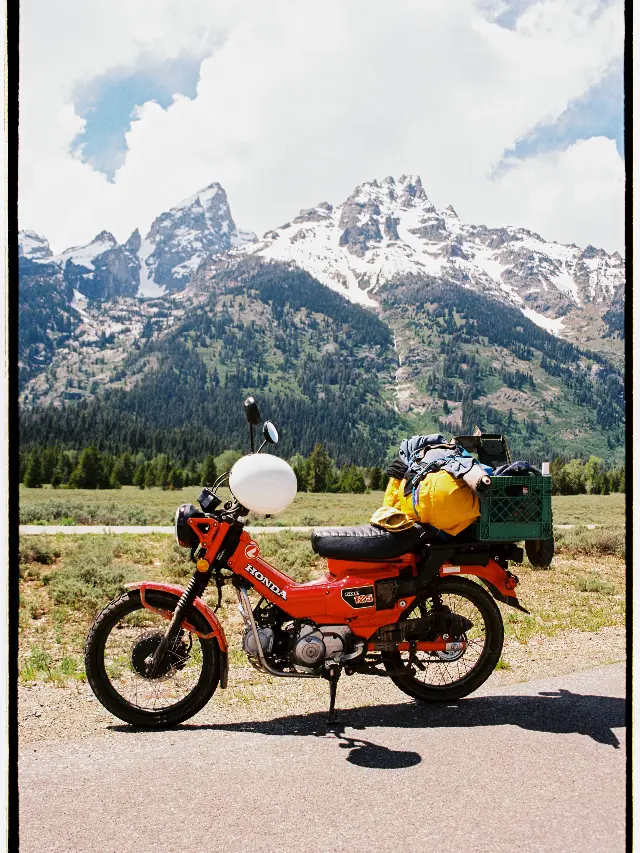 Vintage Honda Trail Ride Through Idaho And Yellowstone
 Wonders of Greece: Most Amazing Places to Visit in 4K
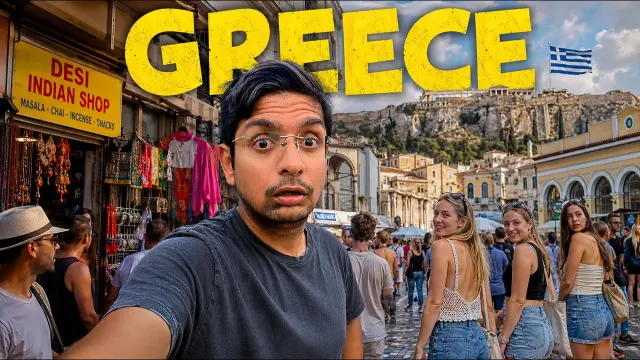 Travelling to Greece to Explore Its Oldest Connection to India
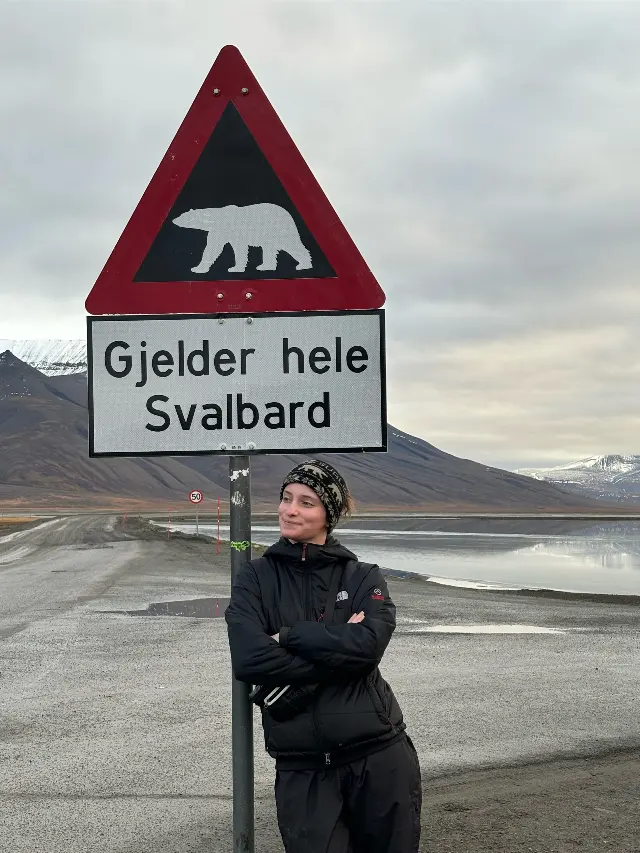 Exploring the Arctic Wilderness at 78 Degrees North
Get new #Travel ideas by email
Every Thursday: the week's best ideas, with the newest from #Travel.
Related tags
Travel: A Guide to Exploring the World
Travel is the act of going from one place to another for leisure, curiosity, work, family, or adventure. It can be as simple as a day trip nearby or as expansive as crossing oceans to explore a new country. For many people, travel is a way to rest, learn, and see the world with fresh eyes.
What travel is and why people do it
At its heart, travel is about movement and experience. People travel to visit loved ones, take a break from routine, enjoy nature, discover history, or simply feel the excitement of somewhere unfamiliar. It can be deeply personal: one person may travel for quiet and reflection, while another seeks activity, food, art, or social connection.
Travel also opens a window into different cultures. When you visit a new place, you notice how people eat, speak, dress, celebrate, and live day to day. That makes travel not only enjoyable, but also educational.
Read more
Common kinds of travel
There are many ways to travel, and each has its own rhythm.
- Leisure travel: holidays and vacations focused on rest, sightseeing, or fun
- Adventure travel: hiking, camping, road trips, and other active experiences
- Cultural travel: museums, historic sites, festivals, and local traditions
- Solo travel: traveling alone for independence and flexibility
- Family travel: trips planned around children and shared experiences
- Budget travel: simple, thoughtful travel with careful spending
- Luxury travel: comfort-focused journeys with extra services and amenities
You can also travel in many styles, from slow travel, where you stay longer in one place, to fast-paced itineraries that cover several destinations in a short time.
What beginners should know
If you are new to travel, start with a destination that feels manageable. Choose a place that matches your comfort level, budget, and interests. It helps to think about the climate, language, transport, and how much walking or planning a trip may involve.
A few basic habits make travel smoother:
- Keep important documents safe and easy to reach
- Learn a few simple words in the local language if needed
- Leave room in your schedule for rest
- Pack light so moving around is easier
- Check local customs so you can show respect
- Carry some flexibility, because plans sometimes change
It is also wise to understand the difference between sightseeing and over-scheduling. A good trip usually leaves space for unexpected discoveries.
Practical travel tips
Good travel often comes from simple preparation. Make a rough plan, but do not try to control every detail. Knowing where you will stay, how you will get around, and what you most want to see can reduce stress.
When you arrive somewhere new, give yourself time to settle in. Walk around, notice the neighborhood, and let the place reveal itself gradually. Ask local people for guidance when appropriate, and pay attention to safety in the same way you would anywhere else.
Try to travel with respect. That means being mindful of local rules, keeping public spaces clean, and treating people, animals, and places with care. Travel becomes more meaningful when you move through the world thoughtfully.
The value of travel
Travel can change the way you see both the world and yourself. It may teach patience, confidence, curiosity, and appreciation for differences. Whether you travel far or stay close to home, the experience can be memorable and enriching.
Videos come from YouTube and posts from Instagram; titles and summaries are our own. All rights belong to their creators.