 November 2026 Horoscope Predictions for All Zodiac Signs
#Astrology
24 ideas
November 2026 Horoscope Predictions for All Zodiac Signs
 October Saturday Tarot Reading and Insights for All Zodiac Signs
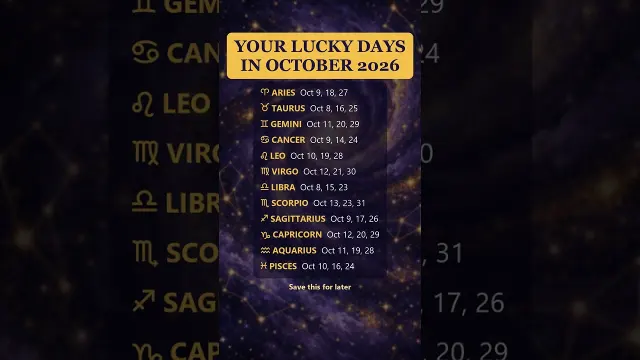 Lucky Days for Each Zodiac Sign in October 2026
 Aquarius November 2026 Horoscope and Career Breakthroughs
 November 2026 Astrology Forecast and Planetary Transits
 Natal Uranus Through the Twelve Astrological Houses
 The Most Dangerous Women of the Zodiac According to Astrology
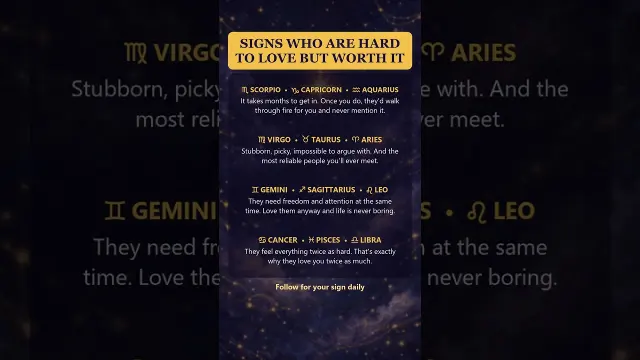 Zodiac Signs Who Are Hard to Love but Worth the Effort
 Venus Goes Dark During October Retrograde Phase
 Taurus Full Moon and Mercury Retrograde Reality Check
 Exploring the Most Difficult Zodiac Sign to Date
 Matching Zodiac Signs as Classic Simpson Characters
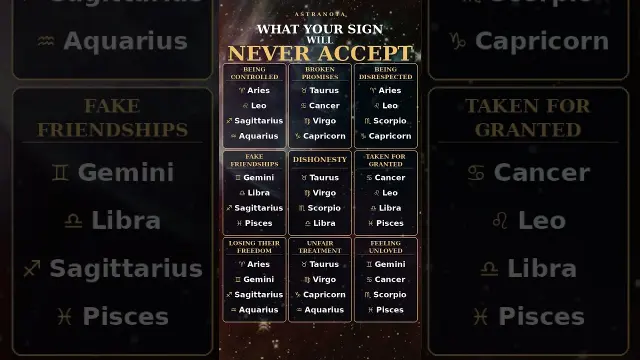 The One Thing Your Zodiac Sign Will Never Accept
 Full Moon in Taurus October Astrology Overview
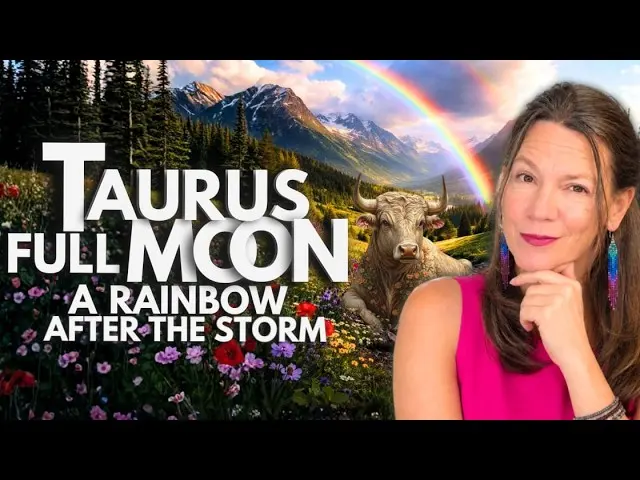 Taurus Full Moon Turning Point for All Twelve Signs
 How Different Zodiac Signs React When a Random Fight Breaks Out
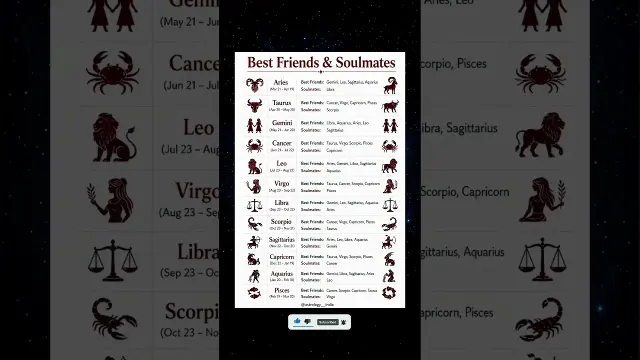 Your Zodiac Sign Best Friends and Ultimate Soulmates
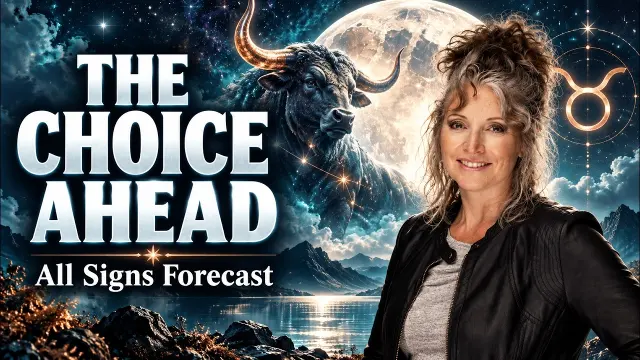 Taurus Full Moon All Signs Forecast and Life Shifts
 Cancer November 2026 Horoscope and Financial Shifts
 Venus Cazimi in Scorpio and Pattern Breaking Insights
 Top Five Zodiac Signs That Are Impossible to Control
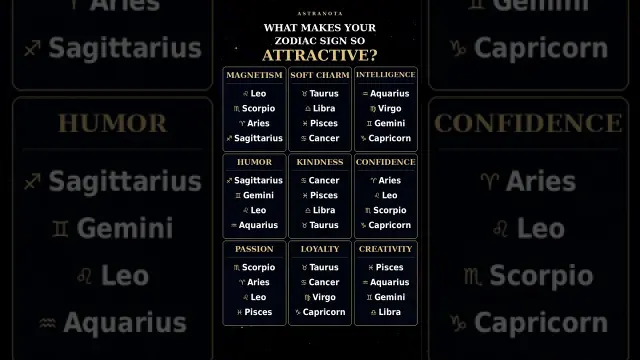 What Makes Each Zodiac Sign Uniquely Attractive
 Taurus Full Moon T-Square and Venus Retrograde Analysis
 Scorpio Season and Mercury Retrograde Energy Shift
Get new #Astrology ideas by email
Every Thursday: the week's best ideas, with the newest from #Astrology.
Related tags
Astrology Guide: Meaning, Origins, and Basics
What astrology is
Astrology is a symbolic system that looks at the positions and movements of the Sun, Moon, planets, and other points in the sky and relates them to human life. Many people use it to reflect on personality, timing, relationships, and patterns of experience. It is not the same as astronomy, which is the scientific study of celestial bodies. Astrology is a cultural and interpretive practice, shaped by tradition and personal belief.
Where it comes from
Astrology has roots in very old civilizations, especially in Mesopotamia, and later developed through Greek, Roman, Indian, and Arabic traditions. Over time, different cultures built their own methods and meanings. That is why astrology is not one single system. There are several traditions, each with its own symbols, calculations, and way of reading the sky.
Read more
The main ideas
The most familiar part of astrology is the zodiac, a belt of twelve signs: Aries through Pisces. These signs are linked to the apparent yearly path of the Sun. In everyday use, people often refer to their “star sign,” which usually means their Sun sign. But astrology goes much deeper than that.
A birth chart, also called a natal chart, is a map of the sky at the moment of a person’s birth. It can include:
- The Sun, Moon, and planets
- The twelve zodiac signs
- The twelve houses, which describe areas of life
- Aspects, or the angles between planets
Together, these elements are used to build a fuller picture than a Sun sign alone.
Common styles and approaches
Different kinds of astrology focus on different methods. Western astrology is widely known and often uses tropical zodiac signs. Vedic astrology, from the Indian tradition, follows another framework and often places strong emphasis on timing and lunar patterns. Some people also explore horary astrology, which answers a question by reading the chart for the exact moment it is asked, or electional astrology, which looks for favorable times to begin something.
What beginners should know
If you are just starting, do not feel pressured to memorize everything at once. Begin with the basics:
- Learn your Sun, Moon, and rising sign
- Notice how the four elements — fire, earth, air, and water — describe different energies
- Read your chart as a whole, not as isolated pieces
- Treat astrology as a language of symbols, not a fixed set of rules
It can be helpful to see what resonates in your own life, but keep an open mind. Astrology is often most useful as a tool for reflection, not as a strict prediction system.
Practical ways to use astrology
People use astrology for many reasons: self-understanding, journaling, choosing symbolic moments, or thinking about relationships and habits. If you explore it thoughtfully, it can become a gentle way to notice patterns and ask better questions about yourself and the people around you.
Videos come from YouTube and posts from Instagram; titles and summaries are our own. All rights belong to their creators.