11 automata theory basics for beginners
This collection brings together short introductions to automata theory, formal languages, and the main machine models students meet first. It is a good fit for beginners who want a clear starting point before moving into more specific constructions.
The ideas here focus on core definitions, quick revision, and the basic DFA, NFA, and abstract machine concepts that support later study. They suit learners who want a broad overview or a fast refresher for class or exam prep.
-
 1
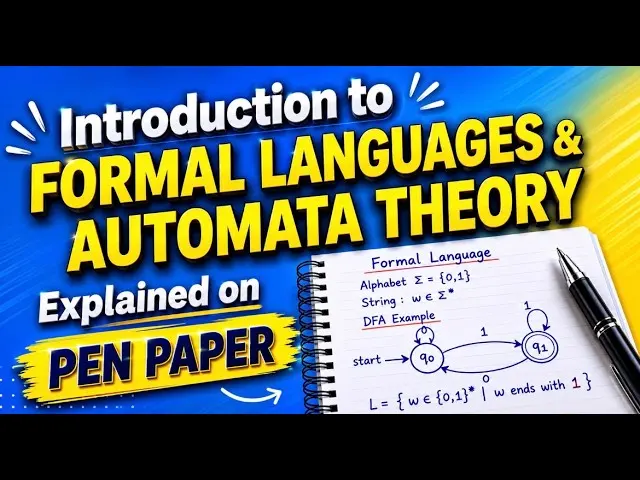
Introduction to Formal Languages and Automata Theory
It gives a broad starting point by covering formal languages, alphabets, and strings alongside automata theory basics.
-
 2
Automata Theory Basics and Abstract Machines
It works well as a general overview because it focuses on automata theory as the study of abstract machines and algorithms.
-
 3
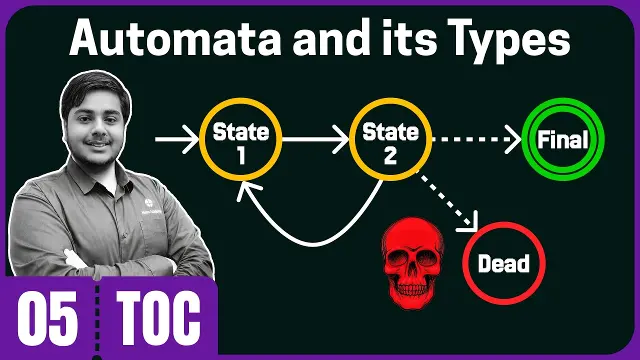
Understanding Automata and Its Various Types
It fits the beginner angle by explaining automata and breaking down its different types.
-
 4
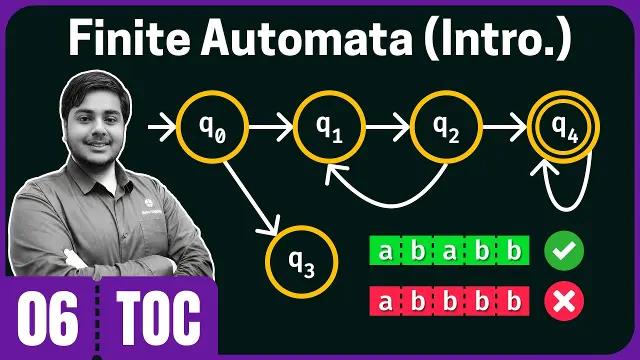
Introduction to Finite Automata and String Processing
It is a practical intro that defines finite automata and shows how input strings are processed.
-
 5
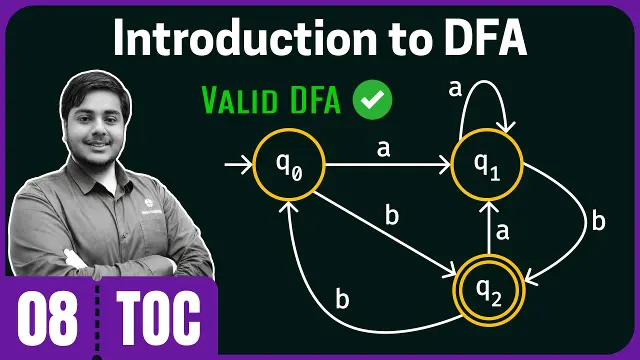
Introduction to Deterministic Finite Automata
It suits first-time learners by introducing deterministic finite automata and its 5-tuple representation.
-
 6
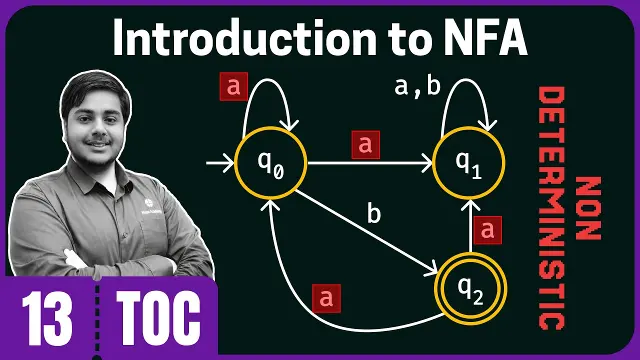
Introduction to Non-Deterministic Finite Automata
It belongs here as an introductory guide to non-deterministic finite automata and its 5-tuple format.
-
 7
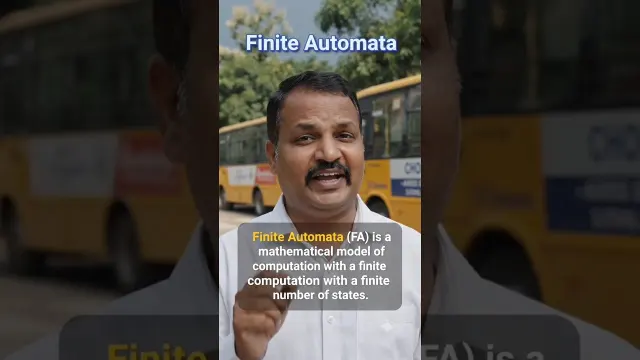
Finite Automata Explained in Quick Revision Shorts
It is a quick revision piece that offers a rapid overview of the foundational concepts of finite automata.
-
 8
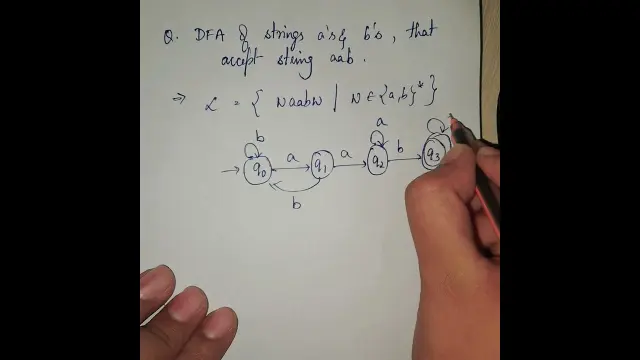
Designing a DFA for Strings Containing the Substring AAB
It gives a hands-on example of DFA design for a specific substring condition, building on the basics.
-
 9
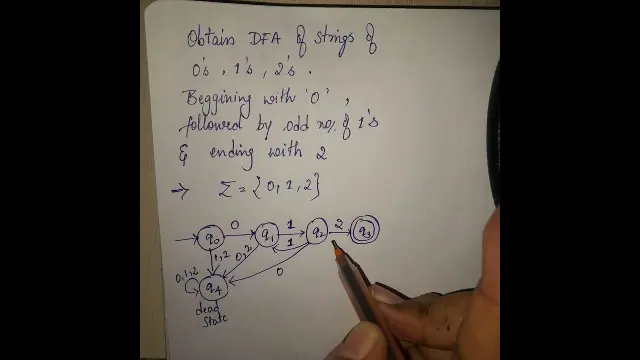
Designing a DFA for Specific String Conditions
It fits because it shows how to design a DFA for specific starting and ending rules, which is a common beginner exercise.
-
 10
Automata Theory and the Foundations of Computational Systems
It rounds out the collection by linking automata theory to the foundations of computational systems.
-
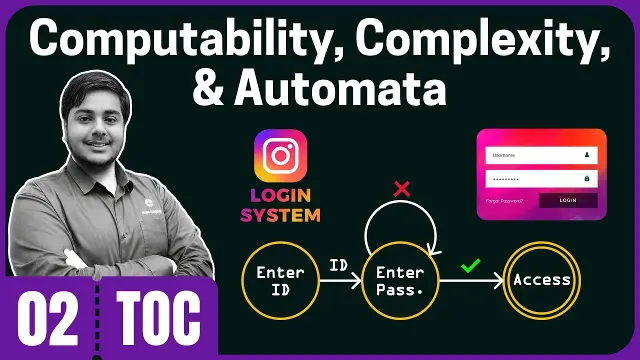 11
Introduction to Computability and Complexity Theory
It broadens the beginner path by connecting automata theory with computability and complexity theory.
More #Automata Theory ideas
Picked and written by Tagrazzi; the videos and photos belong to their creators.