12 beginner explainers on how quantum computers actually work
A set of talks and walkthroughs that start from zero and build up: what a qubit is, how gates shape a calculation, and why the machines need to be colder than space. Nobody assumes you already know the physics, so the ideas are introduced one at a time.
It suits anyone curious about quantum computing who wants the mechanics rather than the hype — students, developers moving sideways into the field, or readers who keep hearing the words superposition and entanglement and would like them properly unpacked.
-
 1
Quantum Computing Explained: Qubits and How They Differ from Bits
Opens at the very beginning by contrasting qubits with ordinary bits and explaining the blend of 0 and 1.
-
 2
Hadamard and CNOT Gates Explained by IBM's Olivia Lanes
A named engineer walks through superposition and entanglement using just two gates, making the circuit picture concrete.
-
 3
How Quantum Computers Use Interference to Cancel Wrong Answers
Explains the interference idea that makes quantum algorithms work, showing how wrong answers cancel out.
-
 4
How Quantum Computing Actually Works from First Principles
Builds the subject up from first principles, covering Bell's theorem and the basic mechanics behind the hardware.
-
 5
How Do Quantum Computers Work and Solve Problems
Frames the same ground around problem solving, showing how qubits and entanglement are used to tackle questions classical machines can't.
-
 6
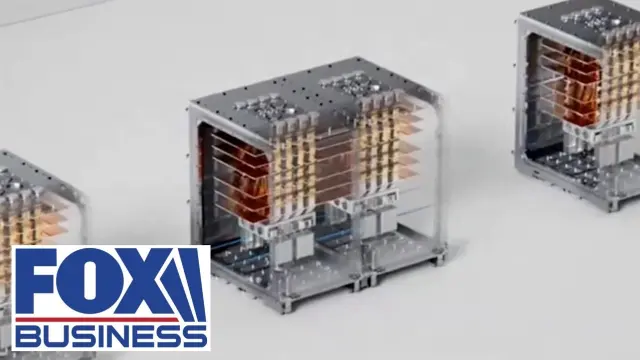
IBM Engineer Explains Why Quantum Systems Run So Cold
Answers the obvious beginner question of why the hardware has to run so extraordinarily cold.
-
 7
How to Build a Quantum Computer, Explained Slowly
A deliberately slow, calm assembly of the parts and physics, useful when the faster explainers move too quickly.
-
 8
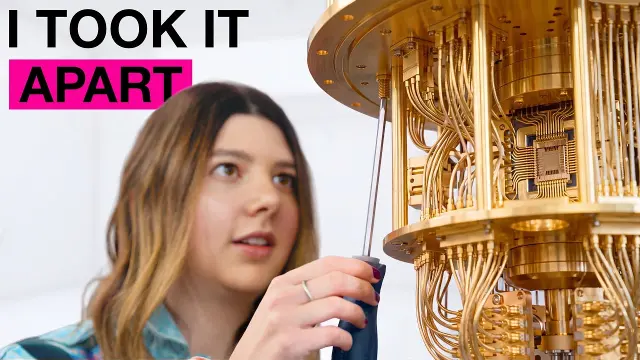
Inside IBM's Quantum Computing Lab: How These Machines Work
A lab tour that connects the theory to real machines and the team's view of where the field stands.
-
 9
Inside IBM's Modular Quantum System Two Computer
Shows a modular system linking several processors with its cooling and control electronics, so the scale of the engineering is visible.
-
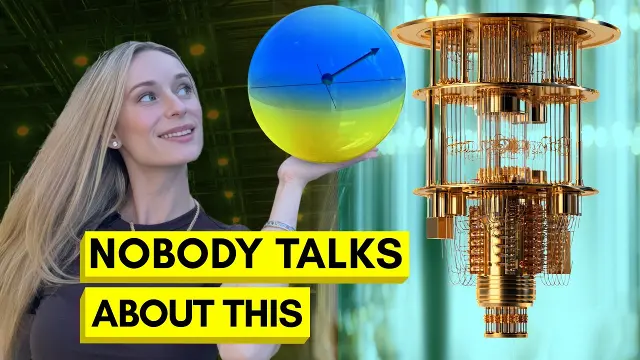 10
The Quantum Computing Bottleneck of Physical and Logical Qubits
Introduces the physical-versus-logical qubit distinction that explains why error correction costs so much.
-
 11
Why Today's Thousand-Qubit Quantum Machines Are Not Yet Useful
A short reality check on why large qubit counts alone don't make a machine useful.
-
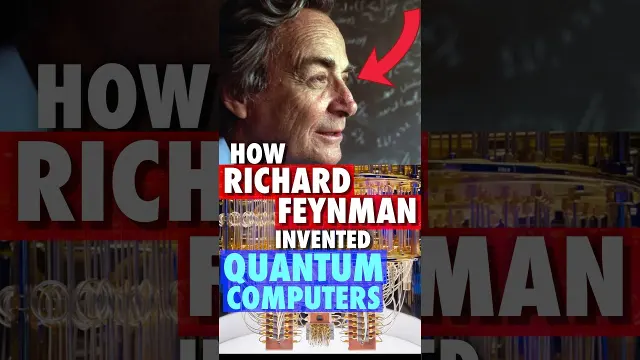 12
How Richard Feynman Helped Start Quantum Computing
Good closing history: the early questions Feynman posed that set the whole field going.
More #Quantum Computing ideas
Picked and written by Tagrazzi; the videos and photos belong to their creators.