8 beginner-friendly finite automata introductions for students
These ideas cover the core basics of finite automata, from the definition and tuple notation to how strings are processed and how different automaton types compare.
They suit students who want a clear first pass through the topic, especially for quick revision, class prep, or an overview before moving on to more advanced theory.
-
 1
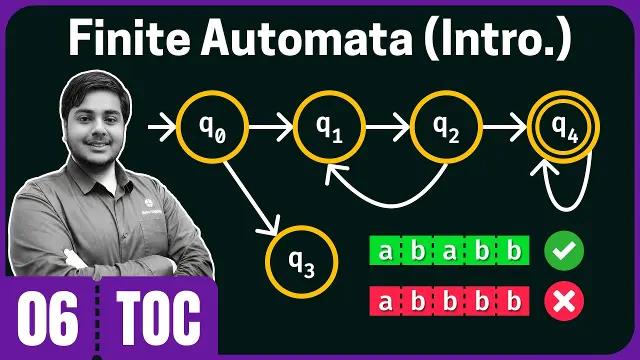
Finite Automata Explained in Quick Revision Shorts
A rapid overview that makes it a strong quick-revision starting point for beginners.
-
 2
Introduction to Finite Automata and String Processing
Covers the definition of finite automata and how input strings are processed, which is ideal for an introduction.
-
 3
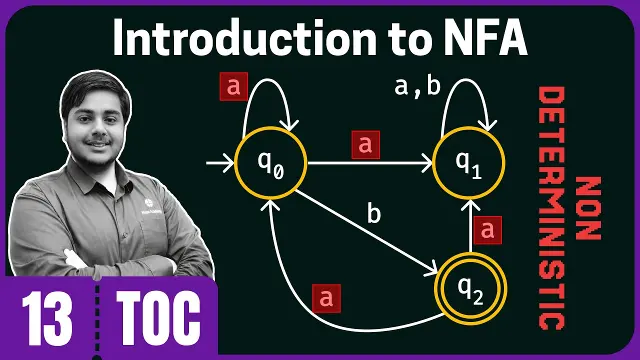
Introduction to Non-Deterministic Finite Automata
Introduces non-deterministic finite automata with the standard tuple format, fitting a basic learning path.
-
 4
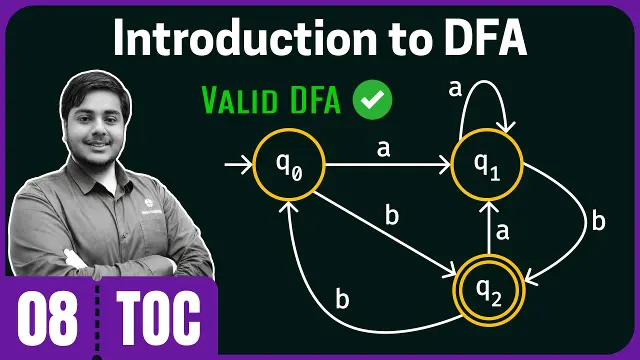
Introduction to Deterministic Finite Automata
A direct introduction to deterministic finite automata that focuses on the core representation.
-
 5
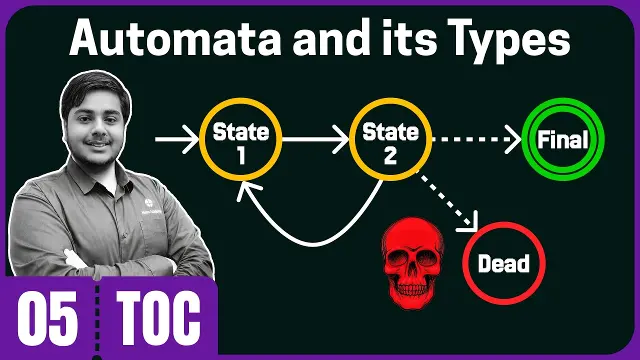
Understanding Automata and Its Various Types
Explains automata and its various types, making it a broad first-step overview.
-
 6
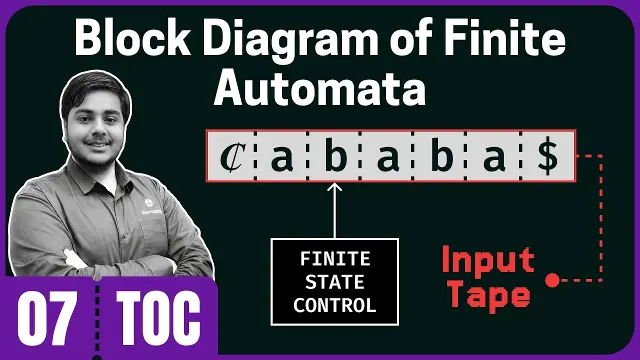
Understanding the Block Diagram of Finite Automata
Breaks down the block diagram and types of finite automata, which helps beginners see the big picture.
-
 7
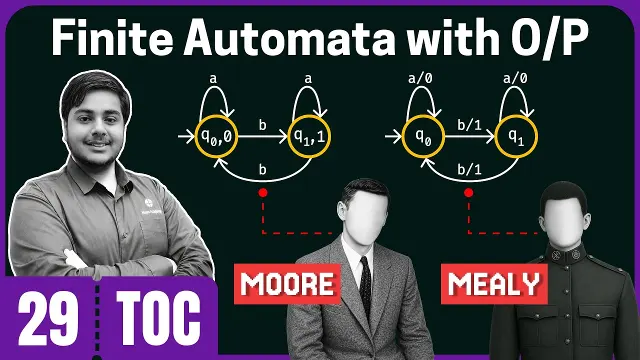
Introduction to Finite Automata with Output
Focuses on finite automata with output and their tuple description, adding a useful variation to the basics.
-
 8
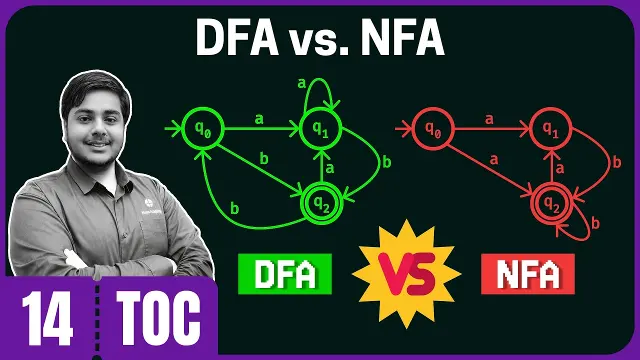
Comparing Deterministic and Non-Deterministic Automata
Compares deterministic and non-deterministic automata, which is helpful once the basic models are introduced.
More #Theory of Computation ideas
Picked and written by Tagrazzi; the videos and photos belong to their creators.