
Applying Environmental DNA Sampling for Wildlife Ecology
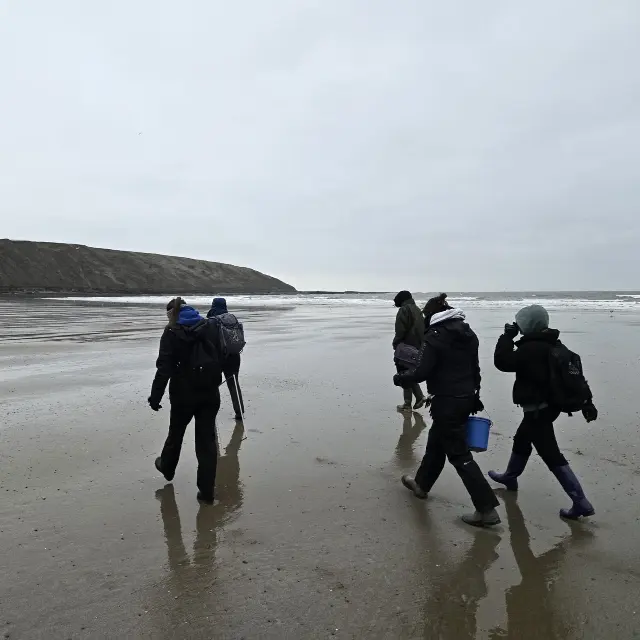
Exploring how eDNA sampling methods help determine population numbers and microhabitats for species like the European common frog.
Instagram · 5 September 2016 View on Instagram
Tried this idea? Show how yours turned out.
I made this#frogsarelife #conservationbiology #genetics #samplingmethods #conservationist #savingtheplanetonestepatatime #commonfrog #edna #amphibian #reportwriting #researchproject #fieldbiology #ecology #ukamphibians #allanimalscount
How to do it
Tips
- Environmental DNA sampling is a non-invasive route to a species record: the frog itself does not have to be caught or handled, so look for traces it leaves in its habitat rather than for the animal.
- Because the project links population numbers to microhabitats, note exactly where each sample came from alongside the genetic result — the location detail is what makes the eDNA data interpretable.
- This is written up as a research report, so plan the write-up as part of the work: what was sampled, where, and what the results suggest about the common frog.
Written by Tagrazzi from the original's description and photo.
The title and summary are written by Tagrazzi; the post belongs to its creator and plays from Instagram.






Comments (0)
No comments yet. Be the first to comment.
Sign in to write a comment.