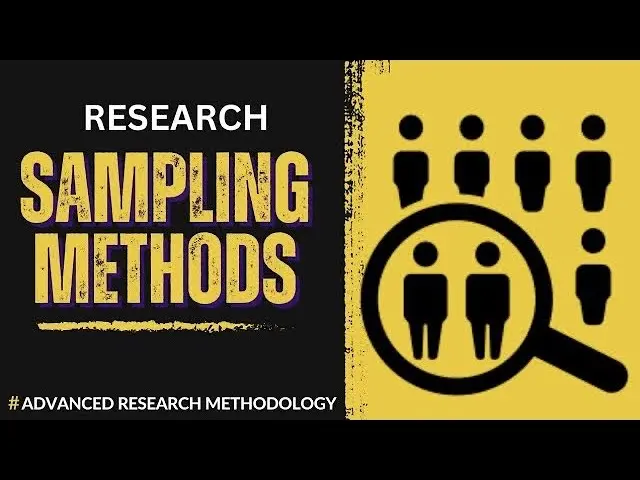
Introduction to Sampling Techniques in Research
An animated lecture explaining the core differences between a target population and a sample in research methodology.
YouTube · Learn Public Health, Research With Shola · 10 September 2026 Watch on YouTube
Tried this idea? Show how yours turned out.
I made thisHow to do it
What you need
- Target population definition
- Sampling frame (list of individuals)
- HR or other records/database
- Sample size formula or calculator
- Research design
Step by step
- Define the target population your research draws conclusions about
- Narrow the population by location, age, income or other characteristics to fit your project
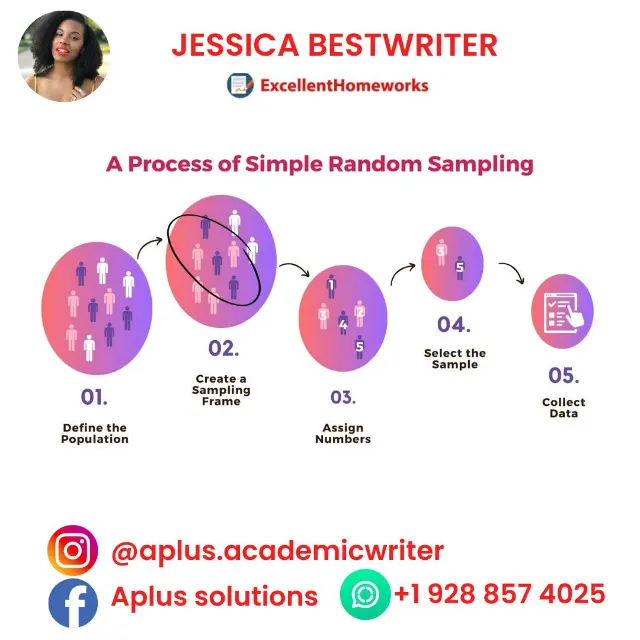
- Build a sampling frame listing everyone in the target population
- Decide the sample size based on population size, variability and research design
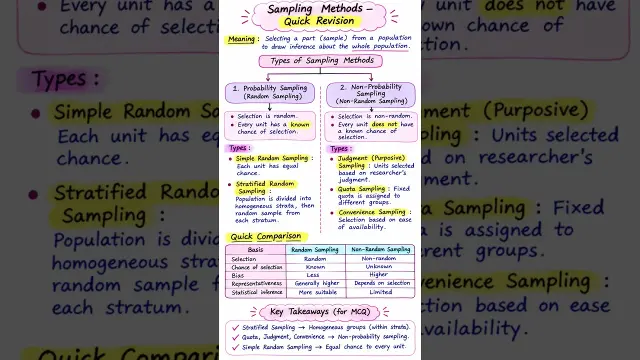
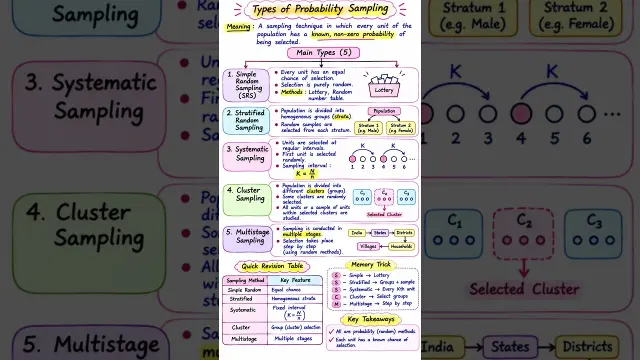
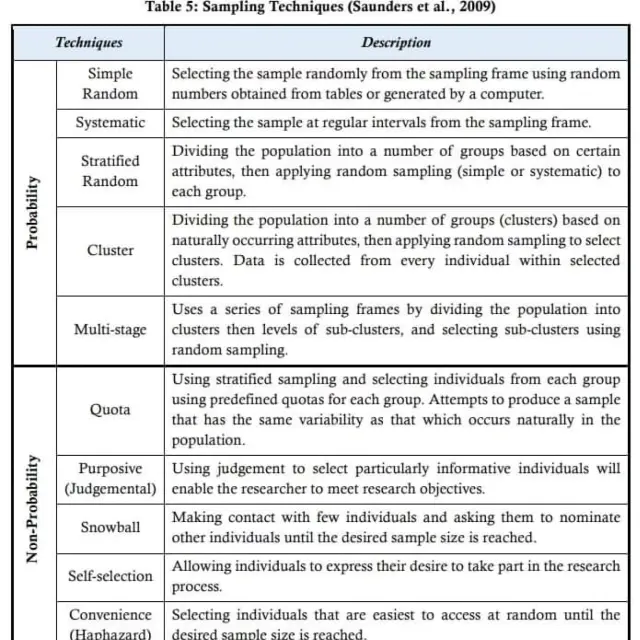
- Choose probability sampling if you need results representative of the whole population
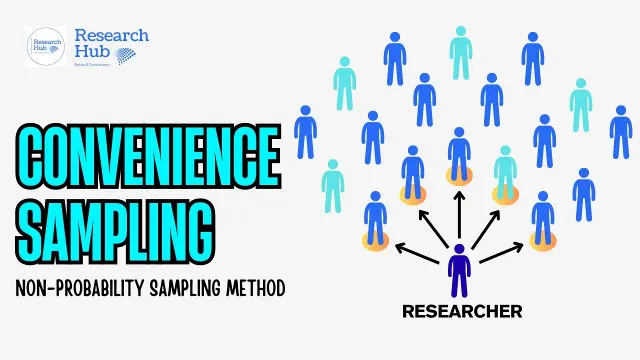
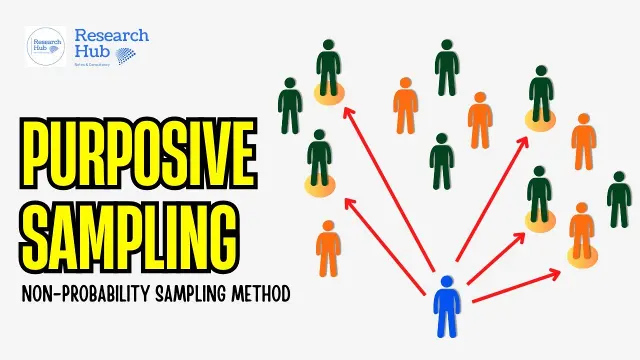
- Choose non-probability sampling for exploratory or qualitative work, aiming to keep it as representative as possible
Tips
- A sampling frame should cover the whole target population and no one outside it
- Very large, mixed or geographically dispersed populations make a representative sample harder to reach
- Non-probability samples are cheaper and easier but carry a higher risk of sampling bias
Written by Tagrazzi from the original's description and photo.
The title and summary are written by Tagrazzi; the video belongs to its creator and plays from YouTube.


Comments (0)
No comments yet. Be the first to comment.
Sign in to write a comment.