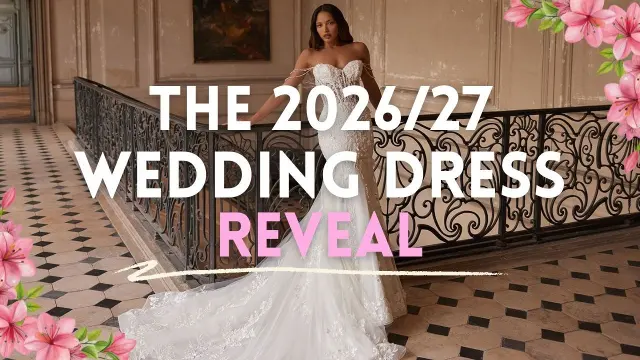
 2026 and 2027 Bridal Trends: Lace, Minimalism and Regency Silhouettes
#2026 Brides
1 ideas
2026 and 2027 Bridal Trends: Lace, Minimalism and Regency Silhouettes
Get new #2026 Brides ideas by email
Every Thursday: the week's best ideas, with the newest from #2026 Brides.
Related tags
A Guide for Brides Planning a Wedding
A bride is simply the person at the centre of a wedding — the one the day is being arranged around, and often the one carrying the longest list of decisions. The word carries centuries of custom behind it, but the role itself is flexible: whatever the ceremony looks like, being a bride mostly means deciding what matters, then finding the people and the order of events that let it happen.
Where the customs come from
Most wedding traditions are local rather than universal. The white dress became widely popular in the nineteenth century and stayed because it photographs clearly and reads as celebratory; elsewhere brides wear red, gold, embroidered linen or inherited textiles. Veils, processions, readings, ring exchanges and shared meals all have roots in particular regions and faiths. You are free to keep the ones that mean something in your family and quietly drop the rest — a wedding is a ceremony you are hosting, not an exam in tradition.
Kinds of weddings
Read more
- Civil ceremonies: a legal ceremony, often short, with a gathering afterwards.
- Religious or cultural ceremonies: structure set by the community, sometimes paired with a civil one.
- Destination weddings: a small guest list and a location that requires travel.
- Elopements and microweddings: a handful of people, minimal logistics, more room in the budget for what you love.
- Two-part celebrations: one ceremony for family, one party for friends.
Styles and silhouettes
Bridal style is usually described by silhouette and fabric rather than by decoration. Fitted, flowing, structured or soft; lace, crepe, satin, tulle, linen. The practical rule is to start from the venue and the season's weather: a heavy train on grass, or a sheer fabric in a cold month, becomes a problem on the day itself. Try on more than one shape — what looks right on a hanger often sits differently on a body — and move, sit and walk in the dress before committing.
What beginners should know
Fix three things first: the guest list, the budget, and the date. Almost every other decision follows from those, and changing them later is expensive. Then choose the ceremony and reception, and only then the details. Delegate clearly rather than vaguely: "you are in charge of the music" works, "help out on the day" does not.
Practical tips
Keep a written plan with one owner per task. Book the essential suppliers early and read contracts carefully. Build in buffer time — transport, photographs and getting dressed always take longer than expected. Keep the guest list honest and the day's schedule short enough to enjoy. And remember that a wedding is one day; the marriage is the part that continues, so protect some of your energy and attention for each other.
#2026 Brides: frequently asked questions
How should a bride begin planning when everything feels urgent at once?
Start by settling the guest list, the budget and the date, because nearly every later choice depends on those. Once those are fixed, decide on the ceremony and the reception before touching décor, flowers or favours. Keeping the order in that sequence stops you from redoing decisions later.
Do I have to follow wedding traditions to be a bride?
No — most customs are regional or religious rather than universal, and the white dress itself only became common fairly recently. Keep the elements that genuinely mean something to you and your family and let the rest go without guilt. A wedding is a ceremony you host, not a test you pass.
Which kind of wedding suits a small budget or a short timeline?
Elopements and microweddings, or a simple civil ceremony with a gathering afterwards, involve the least logistics and leave more room for what you actually care about. A destination wedding can also work if the guest list stays small. Two-part celebrations are useful when family and friends have very different expectations.
How do I choose a dress style that will work on the day?
Begin with the venue and the season rather than with decoration — a long train on grass or a sheer fabric in cold weather becomes a practical problem. Look at silhouette and fabric first, and try several shapes, since a dress that looks right on the hanger often sits differently when worn. Move, sit and walk in it before you commit.
What mistakes do brides most often make in the final stretch?
Vague delegation is the usual culprit: naming someone as responsible for the music works, while asking people to help out on the day does not. Underestimating how long it takes to dress, travel and take photographs is another common one, so build in buffer time. It also helps to keep the schedule short enough that you can actually enjoy it.
How do I keep the day from consuming the marriage?
Treat the wedding as a single day with a fixed end, and protect some of your energy and attention for each other rather than spending all of it on logistics. A written plan with one owner per task keeps the pressure spread out. The point of the planning is to arrive at the ceremony calm enough to be present.
Videos come from YouTube and posts from Instagram; titles and summaries are our own. All rights belong to their creators.