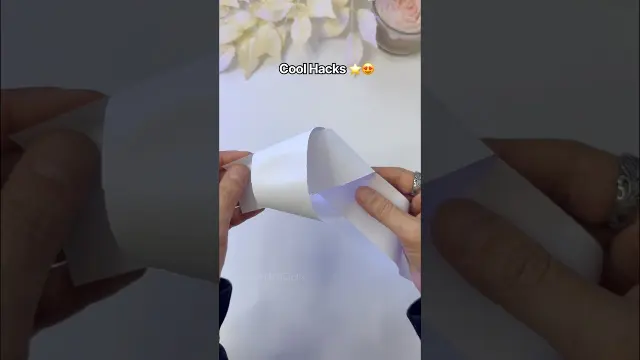
 Creative 3D Paper Star Craft Tutorial
#3D Star
1 ideas
Creative 3D Paper Star Craft Tutorial
Get new #3D Star ideas by email
Every Thursday: the week's best ideas, with the newest from #3D Star.
Related tags
3D Star Craft and Decoration Guide
What a 3D star is
A 3D star is a star shape with depth and volume, rather than a flat outline. You can make it from paper, card, fabric, wire, wood, clay, or other craft materials, depending on the look you want. Because it catches light and shadow from different angles, a 3D star feels lively and sculptural, and it is often used for decoration, gifts, seasonal crafts, and handmade ornaments.
Stars have been used in art and decoration for a long time because the shape is simple, familiar, and symbolic in many cultures. In craft work, the star is especially popular because it can be adapted in many ways: folded, cut, layered, stitched, or assembled from separate pieces.
Common styles and uses
Read more
3D stars can look very different depending on how they are made.
- Folded paper stars: made from strips or sheets of paper, often for hanging decorations or garlands.
- Cut-and-assembled stars: built from flat pieces that slot together or are glued into shape.
- Layered stars: created by stacking several star shapes to give more depth.
- Wire or fabric stars: softer, more decorative versions for home styling or festive displays.
- Rigid stars from card or wood: sturdy shapes for hanging, table décor, or craft projects.
You may use 3D stars for wall décor, tree ornaments, party styling, gift toppers, mobiles, table settings, or simple seasonal crafts. They also work well as children’s craft projects when the design is kept easy and safe.
What beginners should know
If you are new to making 3D stars, start with a simple shape and a material that is easy to handle. Paper and card are the most forgiving choices because they are easy to cut, fold, and reshape. A clean fold or straight cut matters more than complicated tools.
It helps to think first about the final use. A hanging star needs to be light and balanced. A tabletop star needs a firm base. A decorative star for a card or package should stay flat enough to attach easily, even if it has raised sections.
Practical tips for making them
- Use a ruler or template if you want neat, even points.
- Score fold lines lightly before folding thick paper or card.
- Keep edges aligned carefully so the star looks balanced from all sides.
- Choose the right weight of material: lighter paper for hanging stars, stronger card for standing stars.
- If you are gluing pieces together, let each part dry fully before moving on.
- For a tidy finish, trim uneven edges and hide joins where possible.
Finishing ideas
A 3D star can be left plain for a clean, modern look, or decorated with paint, metallic paper, glitter, ribbon, stitching, or layered textures. You can keep it minimal or make it highly detailed, but the main idea is the same: a star with shape, depth, and presence.
For the best result, work slowly and test one simple version before trying a more complex design. Once you understand the basic structure, you can adapt the star into many sizes and styles with the same simple principles.
Videos come from YouTube and posts from Instagram; titles and summaries are our own. All rights belong to their creators.