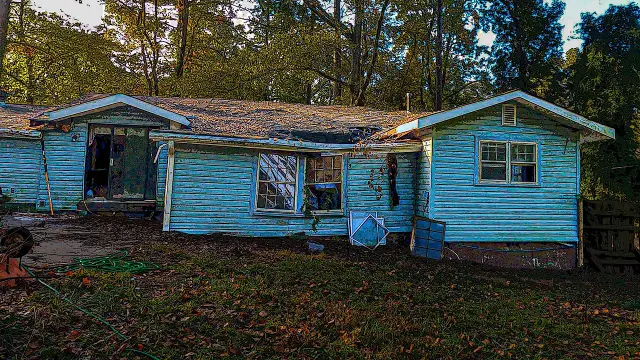
 One Year Timelapse of Rebuilding an Abandoned House Alone
#Abandoned House
3 ideas
One Year Timelapse of Rebuilding an Abandoned House Alone
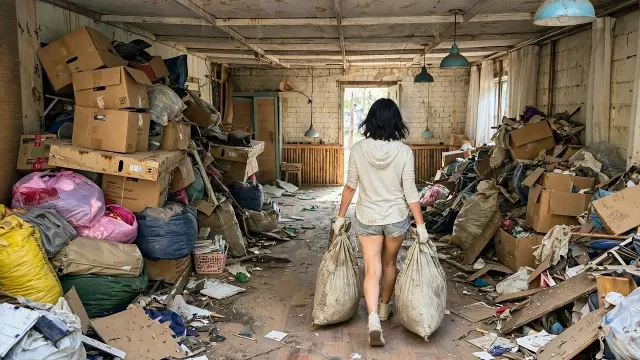 Young Woman Renovates an Abandoned House Alone on a Budget
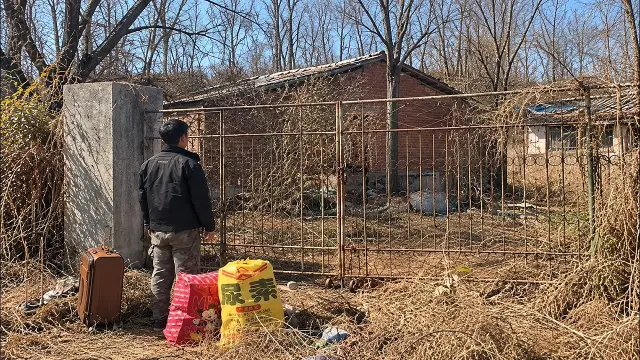 Artistic Renovation of a Grandfather's Long Abandoned House
Get new #Abandoned House ideas by email
Every Thursday: the week's best ideas, with the newest from #Abandoned House.
Related tags
Abandoned Houses: Finding Beauty and Potential
What an abandoned house is
An abandoned house is a building that has been left unused for a long time, often with no one actively maintaining it. Some are old family homes, others were once farmhouses, city row houses, cottages, or larger properties that fell into disrepair after changes in ownership, migration, damage, or simple neglect. Even when a house looks forgotten, it can still hold strong architectural character, original materials, and traces of past lives.
For many people, abandoned houses are fascinating because they combine history, mystery, and possibility. They may be interesting as subjects for photography, renovation projects, preservation work, or creative inspiration. They can also be important reminders of local heritage, especially when they reflect building styles or ways of living that are no longer common.
Common types and styles
Read more
Abandoned houses come in many forms. Some are modest and practical, built with local materials and simple layouts. Others are more decorative, with porches, gables, tall windows, or handcrafted details that show the tastes of another era. You may also find rural homes, urban townhouses, villas, cottages, and former holiday homes among them.
What makes them especially striking is often not their size, but the signs of age: worn floors, peeling paint, damaged plaster, overgrown gardens, and faded finishes. These details can give an abandoned house a distinctive atmosphere, but they also hint at structural problems that need careful attention.
What to know before restoring one
If you are drawn to an abandoned house, it is important to approach it carefully. A building that has stood empty for years may have hidden damage, unsafe floors, weak roofs, damp walls, broken glass, pests, or unstable materials. Before any work begins, it is wise to assess whether the structure is safe to enter and what kind of repair it may need.
Begin with the basics:
- Check the roof, walls, floors, and foundation for obvious damage.
- Look for signs of moisture, rot, mold, or long-term neglect.
- Make sure you understand ownership and legal access before entering or repairing anything.
- If the building seems unstable, get professional advice before going further.
Restoring and reusing an abandoned house
Restoration usually starts with clearing, cleaning, and stabilizing the structure. After that, the work often moves in stages: securing the building, repairing the shell, restoring utilities, and then handling interiors and finishes. Some people aim for a full historical restoration, while others prefer a simpler renewal that keeps the original character but adapts the home for modern use.
A thoughtful approach is often best. Salvaging old doors, floors, trim, and hardware can preserve a house’s personality, while new elements should be chosen to support comfort and safety. Patience matters, because abandoned houses often reveal problems only after work begins.
Why abandoned houses matter
Abandoned houses can be sad to see, but they can also be full of potential. They connect you to memory, craftsmanship, and the changing life of a place. Whether you are photographing one, researching its past, or bringing one back to life, the key is to respect both its history and its condition.
Videos come from YouTube and posts from Instagram; titles and summaries are our own. All rights belong to their creators.