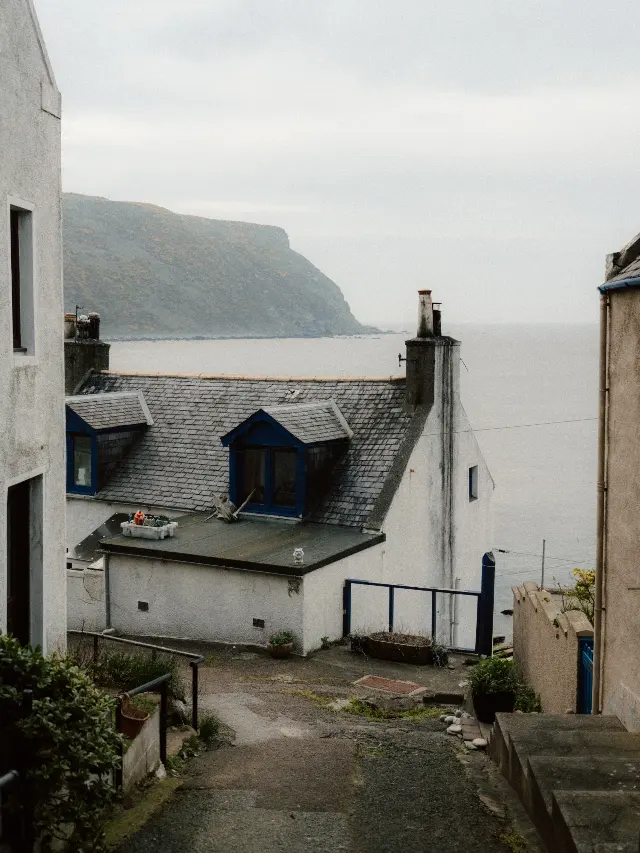
 A Photo Collection from Gardenstown on Scotland's East Coast
#Aberdeenshire
1 ideas
A Photo Collection from Gardenstown on Scotland's East Coast
Get new #Aberdeenshire ideas by email
Every Thursday: the week's best ideas, with the newest from #Aberdeenshire.
Related tags
Aberdeenshire: A Guide to Scotland's North East
Aberdeenshire sits in the north east of Scotland, a broad stretch of country that runs from the edge of the city of Aberdeen out to cliff-lined coasts, inland glens and the foothills of the Grampian mountains. It is a region of contrasts: fertile farmland known for its cattle and crops, small harbours tucked into rocky bays, and long stretches of open moorland that change colour with the seasons. For anyone curious about this corner of Scotland, understanding a little of its landscape and history makes a visit far richer.
Coast and countryside
The coastline is one of Aberdeenshire's defining features. Fishing villages cluster where natural harbours form between cliffs and headlands, their houses often built gable-end to the sea to shelter from prevailing winds. Gardenstown, Crovie and Pennan are well-known examples of this tight, sea-facing style of settlement. Further south, dunes and wide beaches give way to farmland. Inland, the land rises through quiet agricultural country towards hills and glens, with rivers such as the Dee and the Don running east to the coast.
Castles and stone
Read more
The region is famous for its concentration of castles and tower houses, many built from local granite. Some are romantic ruins on hilltops, others are still lived in and open to visitors. The granite itself shapes the look of the area: the city of Aberdeen is often called the Granite City for its pale, glittering buildings, and the same grey stone appears in village walls, kirks and farm buildings across the county.
History and language
Aberdeenshire has a long human history, with prehistoric standing stones, burial cairns and hillforts scattered across the landscape. The local speech, often called the Doric, is a form of Scots with its own words and rhythms, still heard in farming communities and celebrated in local poetry and song. Agriculture has shaped the region for centuries, and the farming calendar still sets a rhythm for rural life.
What to know before you go
Weather here changes quickly, and even in summer a coastal walk can turn windy and wet within an hour, so layers and waterproofs are worth carrying. Distances between places can be longer than they look on a map, and public transport is limited in rural areas, so planning transport in advance helps. Many castles and visitor sites keep seasonal opening hours. Paths along cliffs and shorelines are beautiful but can be slippery or exposed, so take care near edges. Midges are a fact of life near water and woodland in the warmer months.
A note on visiting
Local communities are small and often depend on agriculture and tourism. Parking considerately, keeping to paths, closing gates and respecting privacy goes a long way. The reward is a region that feels unhurried and open, where a ruined castle, a working harbour and an empty moor can all sit within a short drive of one another.
#Aberdeenshire: frequently asked questions
What is Aberdeenshire best known for?
It is known for a striking mix of scenery and history: granite castles and tower houses, small fishing harbours wedged between cliffs, fertile farmland and open moorland rising towards the hills. The region's traditional speech and its farming heritage give it a character that feels distinct from the rest of Scotland. Many visitors come for the castles and coastline, then find the quiet inland glens just as rewarding.
How should I prepare for the weather in Aberdeenshire?
Conditions shift fast here, and a coastal walk that starts calm can turn windy and wet within the hour, so bring layers and a waterproof you can put on quickly. Sturdy footwear matters too, since cliff and shoreline paths can be slippery or exposed. Treat the forecast as a rough guide rather than a promise and keep your plans flexible.
Do I need a car to explore the region?
A car makes things much easier, because rural buses are sparse and the distances between villages, castles and walking routes are often bigger than they appear on a map. If you are relying on public transport, plan routes in advance and build your day around a small number of places rather than trying to cover a lot of ground. Booking transport ahead is far less stressful than improvising once you are out in the countryside.
What should I know before visiting castles and historic sites?
Opening times are often seasonal, and some sites close outside the main visitor period, so check before you set out rather than turning up hopefully. Many ruins sit on private or working land, which means sticking to paths and respecting fences and gates. Allow more time than you think for each stop, since the driving between them adds up.
What mistakes do visitors commonly make in Aberdeenshire?
The most frequent one is underestimating distance and weather together, which leaves people rushing between stops or caught out on an exposed path. Another is forgetting that small communities here are quiet and often tied to farming and tourism, so parking carelessly, blocking gates or wandering into private ground causes real friction. Slowing down and planning one area at a time gives a far better day.
How can I visit Aberdeenshire considerately?
Park where you are not in the way of farm vehicles or residents, keep to marked paths, close gates behind you and give people's homes their privacy. Buying from local shops and cafes helps too, since many of these communities depend on both agriculture and visitors. The reward is a region that stays unhurried and welcoming.
Videos come from YouTube and posts from Instagram; titles and summaries are our own. All rights belong to their creators.