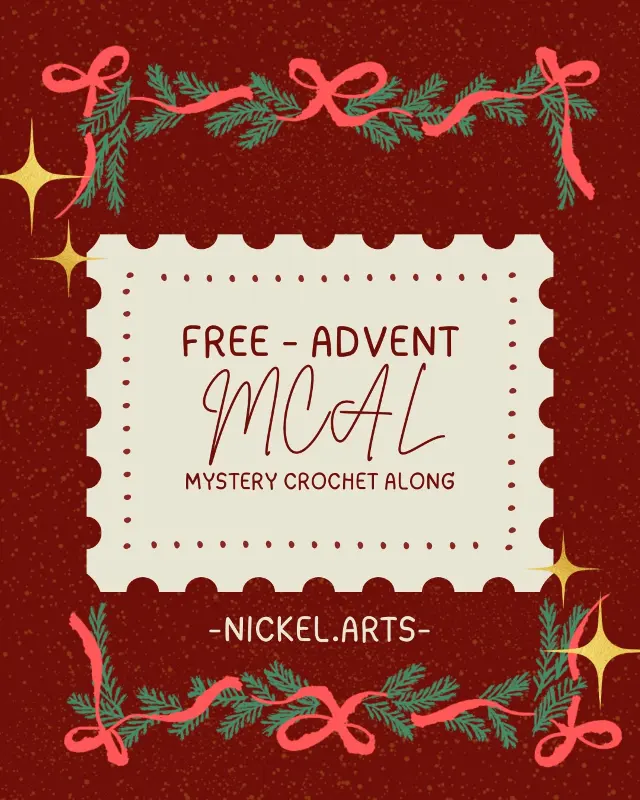
 Free Advent Calendar Mystery Crochet Along for December
#Advent Calendar
2 ideas
Free Advent Calendar Mystery Crochet Along for December
 Crochet Plush Advent Calendar Project
Get new #Advent Calendar ideas by email
Every Thursday: the week's best ideas, with the newest from #Advent Calendar.
Related tags
Advent Calendars: Counting Down to Christmas
An advent calendar is a calendar that counts down the days of Advent, the period of anticipation before Christmas. Instead of showing the whole month at once, it reveals one small window, pocket or drawer for each day, so that opening it becomes a little daily ritual. For many families it is the quiet pleasure that makes December feel like December: a few minutes each morning, a small surprise, and the sense that the celebration is getting closer.
Where the custom comes from
The idea grew out of a simple problem. In nineteenth-century Germany, families wanted a way for children to mark the passing days of Advent, and they did it with whatever was at hand: chalk marks wiped off a door frame each evening, a candle burned down a little at a time, a picture pinned up for every day. Over time these homemade countdowns became printed calendars with numbered doors, and the custom travelled. Today you will find them in paper, wood, fabric and crochet, in homes that have no particular religious observance at all, because the appeal is broader than the tradition behind it: patience made visible.
The main kinds
Read more
- Printed paper calendars with perforated doors, often with a small picture behind each one.
- Fillable calendars: boxes, drawers, tins or hanging pockets that you stock yourself, which can be reused year after year.
- Candle calendars, where a numbered candle is burned down to a new mark each evening.
- Textile versions such as felt wall hangings or crocheted pockets, made to be handed down.
- Story and activity calendars, in which each day holds a line of a tale, a joke, a small task or a piece of a puzzle instead of an object.
If you want to make one
The most satisfying versions are usually the simplest. Decide first what goes inside, because the container should fit the contents rather than the other way round. Twenty-four small pockets or envelopes need far less engineering than twenty-four boxes, and a long ribbon with pegged paper bags can be hung on any wall.
When you make a fabric or crocheted calendar, choose strong seams and firm hanging points, since it will be pulled at daily for a month and then stored for eleven. Number everything clearly, and consider making the numbers detachable so the calendar can be reordered or repaired.
Filling it well
Small and consumable beats large and expensive. A pretty eraser, a hair tie, a wooden puzzle piece, a note with a compliment or a promise of an outing, a single chocolate, a few seeds for spring: the pleasure is in the daily opening rather than the value. If you are filling a calendar for a child, keep every piece well above choking size and check that fixings and buttons are securely attached.
Finally, do not be afraid of a calendar that runs a day behind. The point was never the schedule; it was the looking forward.
#Advent Calendar: frequently asked questions
How do I start an advent calendar tradition at home?
Start with the simplest countdown you can actually keep up with — a row of paper bags on a ribbon, envelopes pinned to a string, or a candle marked off evening by evening. Decide who it is for and what the daily moment should feel like, then let that answer the rest. The custom began with improvised, homemade markers, so nothing elaborate is required to begin.
What do I need to make my own advent calendar?
You need one container or marker for each day, a way to number them clearly, and something to put inside. Work backwards from the contents: small flat items suit envelopes and pockets, while bulkier surprises call for boxes or drawers. A firm hanging point and strong seams matter if you are sewing or crocheting, since the calendar gets handled daily.
Which kind of advent calendar should I choose?
Printed paper calendars are the easiest to buy and give away, while fillable boxes, tins and pockets let you choose the contents and reuse the same calendar for years. Candle calendars suit households that prefer a quiet evening ritual over small gifts, and textile or crocheted versions make sense if you want something to hand down. Story and activity calendars are a good fit when you would rather offer a joke, a task or a piece of a tale than an object.
What should I put inside a fillable advent calendar?
Small and consumable works far better than large and expensive — a pretty eraser, a hair tie, a single chocolate, a few seeds for spring, or a folded note with a compliment or the promise of an outing. The pleasure comes from the daily opening, not from the value of what is inside. If it is for a child, keep every piece well above choking size and check that buttons and fixings are firmly attached.
How do I look after a reusable advent calendar?
Store it flat, dry and away from damp once the season ends, since it will sit packed for most of the year. Before hanging it again, tug the seams and hanging points and check that every number is still readable and secure. Making the numbers detachable is a small design choice that makes reordering and repairing much easier later.
What are the common mistakes people make with advent calendars?
The usual slip is over-engineering the container before deciding what goes inside, which turns a simple countdown into a construction project. Overfilling is the other one: too many or too large gifts shifts the focus from anticipation to accumulation. And don't worry about running a day behind — the point was never the schedule, it was the looking forward.
Videos come from YouTube and posts from Instagram; titles and summaries are our own. All rights belong to their creators.