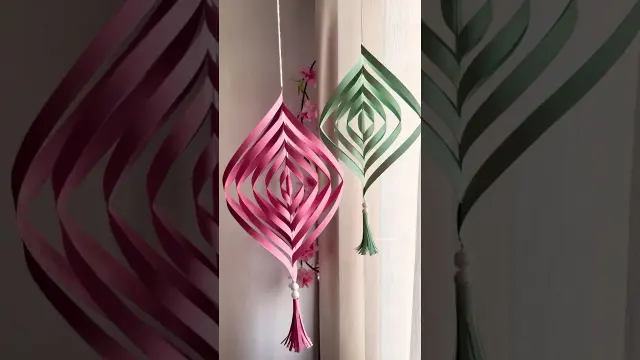
 DIY Cute Lantern Craft for Aesthetic Room Decoration
#Aesthetic Decor
1 ideas
DIY Cute Lantern Craft for Aesthetic Room Decoration
Get new #Aesthetic Decor ideas by email
Every Thursday: the week's best ideas, with the newest from #Aesthetic Decor.
Related tags
Aesthetic Decor: A Guide to Styling a Calm, Personal Space
Aesthetic decor is the practice of arranging a room so that it feels deliberate rather than accidental — cohesive in colour, texture and mood, and expressive of the person who lives there. The word "aesthetic" originally refers to the philosophy of beauty and sensory experience; used casually today, it describes a recognisable visual mood, from soft minimalism to warm vintage clutter. What separates aesthetic decor from mere decoration is intention: every object earns its place, and the whole reads as one picture rather than a collection of separate purchases.
Where it comes from
People have always shaped interiors to express taste, but the modern habit of treating a room as a composed image grew out of photography and social media, where interiors are seen as flat, framed pictures. Earlier influences are easy to trace: mid-century design's clean lines, Scandinavian emphasis on light and natural materials, Japanese ideas of restraint and negative space, and the cottage and vintage revivals that favour worn textures and handmade objects. Most popular styles today are blends of these traditions rather than pure examples of any one.
The main styles
Read more
- Minimalist and soft minimal: few objects, muted neutrals, generous empty space, texture instead of pattern.
- Scandinavian: pale wood, white walls, wool and linen, plenty of daylight, practical furniture.
- Vintage and eclectic: mixed eras, secondhand finds, patterned textiles, intentionally busy shelves.
- Cottage and nature-led: plants, dried flowers, rattan, warm creams and greens, handmade ceramics.
- Warm modern: clean shapes softened with amber light, curved furniture and earthy tones.
Beginners often recognise themselves in two or three of these. That overlap is useful rather than confusing — a room built from two related styles usually feels more personal than one copied whole.
What to learn first
Start with a palette before buying anything. Choose two or three base colours and one accent, then check that new items sit within it. Think about lighting early, because warm, layered light — a floor lamp, a small table lamp, a candle — changes a room's mood more than most furniture does. Texture matters as much as colour: mixing rough and smooth materials, such as linen with ceramic or wool with metal, keeps a simple room from feeling flat.
Practical tips
- Work with one surface at a time, such as a shelf or bedside table, until it looks right.
- Group objects in odd numbers and vary their heights to avoid a rigid look.
- Leave some empty space; restraint is what makes chosen pieces read as intentional.
- Buy slowly and secondhand where you can — older objects bring character and cost less.
- Keep functional items beautiful too, so everyday clutter blends into the scheme.
- Revisit after a few weeks and remove whatever you stopped noticing.
Aesthetic decor is not about buying a finished look. It is a slow, forgiving habit of noticing what you already own, arranging it thoughtfully, and letting the room change as you do.
#Aesthetic Decor: frequently asked questions
How do I start decorating a room with an aesthetic in mind?
Begin with a palette rather than with shopping: settle on a small set of base colours plus one accent, and check that anything new sits inside it. Lighting and texture come next, since warm layered light and a mix of rough and smooth materials shape the mood more than another piece of furniture will. Working on one surface at a time, like a shelf or bedside table, keeps the process calm and lets you see what actually works.
What do I actually need to pull an aesthetic room together?
You need less than you think: a coherent colour direction, a few layers of light, and a range of textures rather than a range of objects. Everyday functional items count too, so choosing versions you find beautiful helps clutter blend into the scheme instead of fighting it. Many of the most characterful pieces can be secondhand or already in your home, which is why arranging comes before buying.
Which aesthetic style should I choose if I like several of them?
It is normal to recognise yourself in more than one style, and building from two related directions usually feels more personal than copying a single look whole. Look for the overlap between them — shared materials, tones or eras — and use that as your anchor. The test of a good choice is simply whether the room reads as one picture rather than a collection of separate purchases.
How do I keep an aesthetic room looking good over time?
Treat it as an ongoing habit rather than a finished project: revisit your surfaces after a while and remove whatever you have stopped noticing. Leave some empty space, because restraint is what makes the pieces you chose read as intentional. Let the room change as your taste does, adding slowly instead of redecorating all at once.
Any easy ideas for making a room feel more aesthetic for a cosy evening or a small celebration?
Light is the quickest lever — a floor lamp, a small table lamp and a candle soften a room far more than rearranging furniture. A handmade touch, such as a simple paper lantern, adds warmth and gives the space a focal point without a big commitment. Group a few objects of varying heights on one tray or shelf and leave the rest of the surface bare so the arrangement stands out.
What are the common mistakes people make with aesthetic decor?
The most frequent one is buying a whole look at once, which tends to read as a shop display rather than a home. Another is ignoring lighting and texture and relying on colour alone, which leaves a simple room feeling flat. Overfilling surfaces is the third — without some empty space, the objects that were chosen carefully stop looking deliberate.
Videos come from YouTube and posts from Instagram; titles and summaries are our own. All rights belong to their creators.