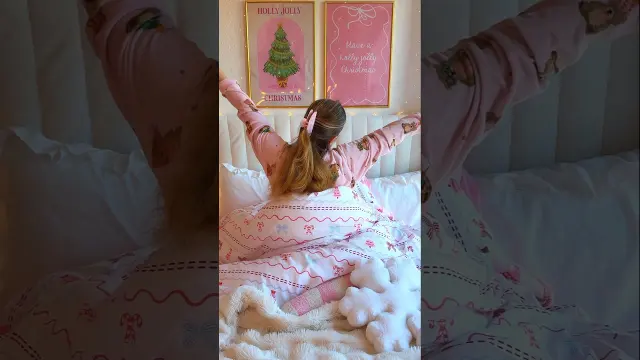
 A Foggy Winter Morning Routine With an Aesthetic Skincare Start
#Aesthetic Lifestyle
1 ideas
A Foggy Winter Morning Routine With an Aesthetic Skincare Start
Get new #Aesthetic Lifestyle ideas by email
Every Thursday: the week's best ideas, with the newest from #Aesthetic Lifestyle.
Related tags
Aesthetic Lifestyle: Making Everyday Life Feel Considered
An aesthetic lifestyle is the practice of arranging your daily life — your space, your routines, the small things you touch and look at — so that they feel coherent and pleasing rather than accidental. It is less about owning beautiful things than about paying attention: noticing what you already have, deciding what deserves a place, and letting the rest go.
The idea has deep roots. Domestic manuals, garden writing and craft traditions have long treated the home as something you shape deliberately, and the same instinct appears in Japanese ideas about arranging a room or a meal with intention, in Scandinavian attention to light and plain materials, and in the everyday-design thinking that grew out of the applied arts. What is new is only the name: the notion that ordinary life is worth composing is old.
What it looks like in practice
Most aesthetic lifestyles settle around a few recognizable directions. A minimal approach favours empty surfaces, few objects, neutral colours and hidden storage. A warm, layered approach leans on textiles, wood, plants and soft lamplight. A craft-led approach fills a home with things that were made — knitted, thrown, grown, repaired. A natural approach keeps materials close to their raw state: linen, stone, clay, unpolished wood. None is better than another; the point is that the choices fit together and fit you.
Read more
Where beginners usually start
Start with one surface, not the whole house. Clear a table, decide what belongs on it, and live with the result for a week before moving on. The same applies to routines: a single reliable morning sequence — water, light, a few quiet minutes — does more for how a day feels than an elaborate plan you abandon.
Practical things worth knowing:
- Light changes a room more than any object does. Notice where daylight falls before buying anything.
- Fewer, better-loved things read as calm; many half-liked things read as clutter, however tidy.
- Consistent materials and a narrow palette do most of the work of "style" for very little money.
- Maintenance is part of the aesthetic. A made bed, a clean sink and a watered plant matter more than a new cushion.
- Leave room for use. A space that cannot get messy is a space you cannot live in.
A word of care
It is easy to let an aesthetic become another standard to fail at, or a reason to buy. Keep it small, keep it cheap where you can, and treat it as a way of noticing rather than a way of proving something. The aim is a life that feels comfortable to be in, not one that photographs well. Begin with what you already own, and let the rest arrive slowly.
#Aesthetic Lifestyle: frequently asked questions
How do I actually start an aesthetic lifestyle without feeling overwhelmed?
Pick one surface — a bedside table, a kitchen counter — clear it, and decide deliberately what deserves to stay there. Live with that result for a while before moving to the next area. Treating routines the same way helps too: one small sequence you repeat reliably does more for how a day feels than a grand plan you drop after a week.
Do I need to buy new things to make my home feel intentional?
No — the practice is mostly about attention rather than acquisition, so begin with what you already own and let anything else arrive slowly. Choosing fewer things you genuinely love reads as calm, while a room full of half-liked objects reads as clutter no matter how tidy it is. Sticking to a narrow palette and consistent materials gives most of the visual coherence for very little cost.
How do I choose between a minimal, warm, craft-led or natural style?
None of these directions is better than another — the only real test is whether the choices fit together and fit the way you actually live. Look at what you already gravitate toward and notice where the daylight falls in your rooms before committing to anything. A stripped-back look suits some spaces and temperaments; textiles, wood and lamplight suit others.
What are the common mistakes people make with an aesthetic lifestyle?
The biggest one is trying to redo an entire home at once instead of letting it settle piece by piece. Another is letting the aesthetic become a standard you fail at, or an excuse to shop, which turns noticing into proving. And a space arranged too carefully to get messy becomes a space you can't really live in.
How do I keep it up over time instead of it slipping back into clutter?
Treat upkeep as part of the look rather than a chore that follows it — a made bed, an empty sink and a watered plant carry more weight than a new cushion. Small, repeatable habits hold far better than occasional big tidy-ups. If something keeps drifting out of place, that's usually a sign the arrangement doesn't match how you use the room.
Any ideas for a slow, atmospheric winter morning at home?
Lean into light and warmth: notice where the pale morning daylight lands, and add soft lamplight rather than overhead brightness. A short quiet start — water, a warm drink, a few unhurried minutes — sets the tone more than any object does. Keep the surfaces you see first simple, and leave the rest of the room alone.
Videos come from YouTube and posts from Instagram; titles and summaries are our own. All rights belong to their creators.