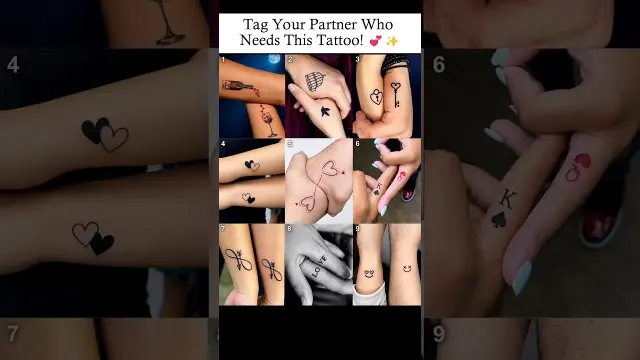
 Nine aesthetic matching tattoo ideas for couples and best friends
#Aesthetic Tattoos
2 ideas
Nine aesthetic matching tattoo ideas for couples and best friends
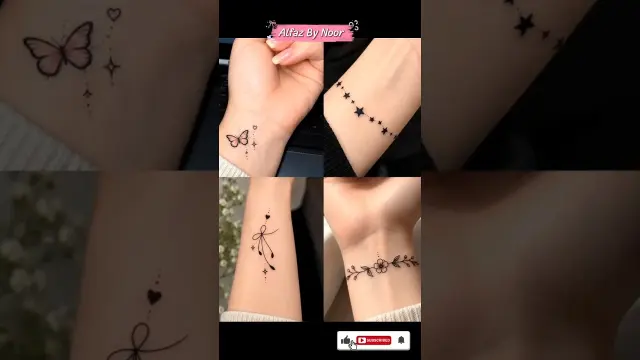 Cute and Minimalist Wrist Tattoo Design Ideas
Get new #Aesthetic Tattoos ideas by email
Every Thursday: the week's best ideas, with the newest from #Aesthetic Tattoos.
Related tags
Aesthetic Tattoos: A Guide to Considered, Timeless Ink
Aesthetic tattoos are less a single style than an approach. The label gathers the kind of work chosen for how it looks and feels on the body rather than for a loud statement: restrained linework, soft shading, small scale, careful placement. Where a traditional sleeve announces itself across a room, an aesthetic piece tends to be noticed up close. It is chosen by people who want a tattoo that reads as decoration, a quiet detail rather than a billboard.
Where the look comes from
The vocabulary borrows from several traditions. Fine-line work descends from the delicate hand-drawn illustrations of old botanical and anatomical plates, and from the single-needle tattooing of hand-poked traditions practised in many cultures for centuries. Minimalism arrived from modern graphic design, with its insistence that a few strokes can carry a whole image. The current taste for small, pale, airy tattoos also owes something to the idea of the body as a page to be illustrated gradually, one small mark at a time, rather than covered in a single grand composition.
The main kinds
Read more
- Fine line: thin, continuous strokes, often used for lettering, faces, flowers and outlines drawn almost like pencil.
- Single needle: a very fine needle producing hairline detail and soft gradation; it suits small pieces and ages more delicately than bold work.
- Micro realism: tiny portraits, animals or objects rendered with fine shading, demanding an experienced hand.
- Blackwork and dotwork: solid black fills and stippled dots, bolder than fine line but still graphic and clean.
- Illustrative and sketch style: loose, drawing-like pieces that keep the energy of a pencil study.
- Script and symbol: dates, words, small abstract marks and line motifs, often placed where they can be covered.
What to know before you book
Think about size and time together. Very small, very detailed designs can blur as skin changes over the years, and lines that look crisp on paper may need to be drawn thicker to survive. Ask your artist to design at the size you actually want tattooed, not smaller for the sake of neatness. Placement matters too: ribs, fingers, feet and the inside of the wrist are tender and wear faster than the upper arm or thigh.
Look at healed photographs, not only fresh ones, and choose an artist whose work suits the style you are after rather than asking a specialist to imitate something outside their practice. Eat beforehand, avoid alcohol, and take the aftercare instructions seriously, following them exactly as given and asking your artist if anything seems unclear.
Living with it
An aesthetic tattoo rewards restraint over years. It can be built on gradually, added to, or left alone. If you are unsure, sit with the idea for a few months, sketch it, and see whether you still want it. The best small tattoos are the ones that were thought about slowly.
#Aesthetic Tattoos: frequently asked questions
What actually makes a tattoo "aesthetic" rather than a specific style?
It is more of an approach than a fixed style: work chosen for how it looks and sits on the body, usually restrained linework, soft shading, small scale and considered placement. The look draws on fine-line illustration, hand-poked traditions, minimalism and sketch-like drawing rather than on bold statement pieces. The result is something noticed up close and read as quiet decoration, not something that announces itself across a room.
Which kind of aesthetic tattoo should I pick for a first piece?
Start from what the design needs rather than from a trend label: fine line and script suit lettering, outlines and delicate motifs, while dotwork and blackwork hold up better if you want something graphic and defined. Micro realism and very detailed miniature pieces demand an experienced hand and are less forgiving, so they are rarely the easiest first choice. Bring your idea to an artist and let the style follow from the image you actually want.
How do I choose the right artist for delicate or fine-line work?
Look at healed photographs as well as fresh ones, since fresh work hides how lines settle and spread over time. Choose someone whose existing portfolio already matches the look you want instead of asking a specialist in another style to imitate it. A short conversation about how they would draw your idea at the size you want tells you a lot about the fit.
What are the most common mistakes with small, minimalist tattoos?
Cramming too much detail into a tiny design is the usual one, because fine lines blur and small elements merge as skin ages, so ask for the piece to be drawn at the size it will actually be tattooed. Placement is the second: tender, high-friction spots wear faster than an upper arm or thigh and are harder to keep looking crisp. The third is rushing, when sitting with the idea for a while and sketching it usually improves the result.
How should I look after a delicate tattoo so it stays sharp?
Follow the aftercare instructions your artist gives you exactly and ask them directly whenever something in those instructions seems unclear. Keep in mind that very fine work ages more gently than bold work, so protecting it from sun and friction over the years matters more than any single step in the first weeks. If anything about the healing looks wrong to you, raise it with your artist or a professional rather than guessing.
What aesthetic tattoo ideas work well for couples or close friends?
Matching pieces read best when they share a visual language instead of being identical copies: the same line weight, scale or motif family, varied slightly for each person. Small script, symbols, line motifs and simple botanical or abstract marks are the usual choices because they can sit somewhere discreet and be built on later. Agree on the style and placement together, but let each person's artist adapt the design to their own body.
Videos come from YouTube and posts from Instagram; titles and summaries are our own. All rights belong to their creators.