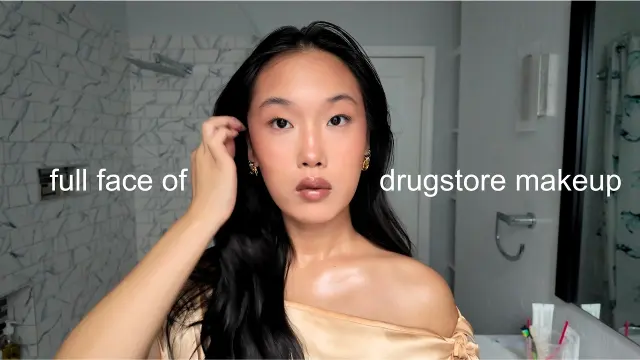
 Full Face of Drugstore Makeup: In-Depth Step-by-Step Tutorial
#Affordable Beauty
1 ideas
Full Face of Drugstore Makeup: In-Depth Step-by-Step Tutorial
Get new #Affordable Beauty ideas by email
Every Thursday: the week's best ideas, with the newest from #Affordable Beauty.
Related tags
Affordable Beauty: A Practical Guide to Looking Good
Affordable beauty is the everyday craft of looking after your skin, hair and appearance with products and habits that fit an ordinary budget. It is not about doing without, and it is not about buying the cheapest thing on the shelf. It is about understanding what actually does the work, spending where it matters and saving where it does not. Done well, it looks less like a compromise and more like good sense.
The idea is as old as cosmetics themselves. Wherever there have been expensive preparations, there have also been humbler versions of them — sold in pharmacies, markets and general stores, mixed at home, or passed between friends. What has changed is the range: a person shopping on a small budget today can find cleansers, moisturisers, lipsticks and hair products made with care and tested properly, without paying for a name on a box.
What it usually covers
- Skincare basics: a gentle cleanser, a moisturiser and a sunscreen. Everything else is optional.
- Makeup chosen rather than accumulated: a few products you actually use, in colours that suit you.
- Hair care that matches your hair type, plus a trim now and then.
- Tools: a couple of decent brushes, a sponge, clean hands. Tools change how a product performs far more than most people expect.
Read more
Where the money goes
With any cosmetic, you are paying for four things: the formula, the packaging, the advertising and the retail shelf. Two products can rely on very similar basic ingredients and carry very different prices. That does not mean cheap always equals good — it means price alone tells you very little, and the only reliable test is how a product behaves on your skin and in your routine.
Reading a label without a chemistry degree
Ingredient lists are usually ordered by amount, largest first, so the first few names tell you most of what is in the bottle. Fragrance, preservatives and colourants tend to appear near the end. If a product claims a special ingredient and that name sits at the very bottom, treat the claim gently. Ignore miracle language altogether; formulas that promise everything rarely deliver anything.
Building a routine in stages
Start with the three basics and use them for a few weeks before adding anything. Introduce one new product at a time so you can tell what suits you and what does not, and patch-test anything unfamiliar on a small area first. If your skin reacts strongly or persistently, stop and speak to a pharmacist or doctor rather than pushing through.
Getting more from what you own
Thin layers beat thick ones. Many creams, balms and tints can do a second job — a lip balm as a cheek sheen, a moisturiser as a primer. Store things away from direct sunlight and heat, keep brushes washed, and respect expiry dates once something is opened.
Shopping well
Buy the small size first, compare the price per millilitre rather than the sticker price, check the returns policy, and be sceptical of bulk buys for products you have never tried. A sale is only a saving on something you were going to buy anyway.
#Affordable Beauty: frequently asked questions
How do I start with affordable beauty if I have almost nothing at home?
Begin with the small core of products that do most of the work: a gentle cleanser, a moisturiser and a sunscreen, and use only those for a while so you learn how your skin responds. Add one new item…uying a whole routine at once, and patch-test anything unfamiliar on a small area before using it properly. Starting narrow keeps both your spending and your guesswork low.
What do I actually need to buy, and what can I skip?
Everything beyond a cleanser, a moisturiser and a sunscreen is optional, so treat makeup and extras as choices rather than requirements. A few products you genuinely use, in colours that suit you, will serve you better than a large collection bought on impulse. Good tools — a couple of brushes, a sponge, clean hands — change how a product performs more than most people expect, so they are worth more than another bottle.
How do I choose between a cheap product and an expensive one?
Price alone tells you very little, because two products with similar basic ingredients can differ mainly in packaging, advertising and shelf space. Read the ingredient list, which is generally ordered by amount so the leading names describe most of what is in the bottle, and be sceptical when a celebrated ingredient appears at the very end. The only reliable test is how it behaves on your skin and in your routine, so buy the small size first and compare price per millilitre rather than the sticker price.
How should I store and look after my products and tools so they last?
Keep things away from direct sunlight and heat, since both break formulas down faster than most people realise, and respect expiry dates once a product is opened. Wash your brushes and sponges regularly and keep your hands clean before you use anything, because tools carry residue and bacteria back onto your skin. A lip balm can double as a cheek sheen and a moisturiser as a primer, so thin layers and a second job for what you already own stretch a small collection further.
What mistakes do people make when shopping on a budget?
The most common one is bulk buying something you have never tried, and treating a sale as a saving when you were not going to buy the item anyway. Another is chasing miracle claims — formulas that promise everything rarely deliver anything — instead of judging a product by its ingredient list and by how it sits on your skin. Always check the returns policy before committing, and introduce new products singly so you can tell what actually suits you.
Can I put together a full makeup look from budget products for an occasion?
Yes — a full face built from budget makeup is entirely achievable, and the difference comes from technique and layering rather than from the price on the box. Build in thin layers, use tools that are clean and decent, and let multi-purpose items do double duty so you are not buying a separate product for every step. Choose shades that suit you rather than following whatever is trending, and test the whole look once beforehand so nothing surprises you on the day.
Videos come from YouTube and posts from Instagram; titles and summaries are our own. All rights belong to their creators.