 Top 6 AI Tools That Can Design Your Dream Home
#AI Home Design
13 ideas
Top 6 AI Tools That Can Design Your Dream Home
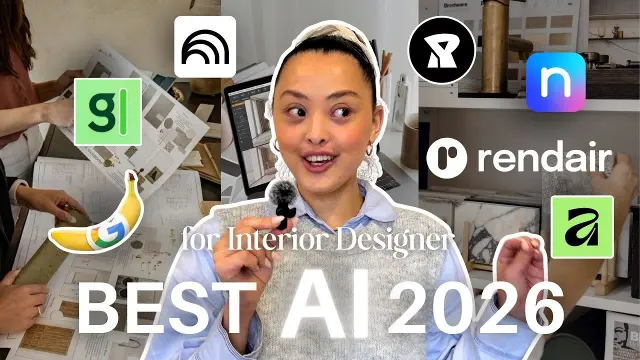 Best AI Tools for Interior Designers to Use
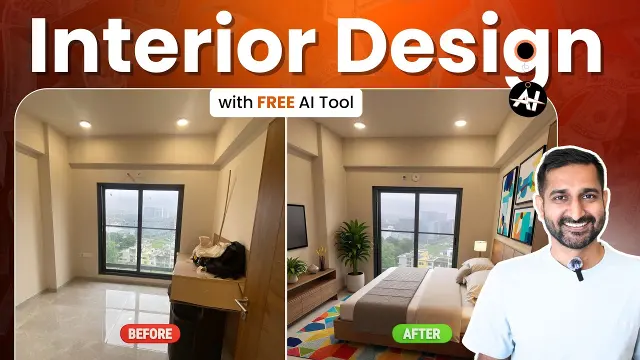 Free AI Home Design Tool and Room Makeover Tutorial
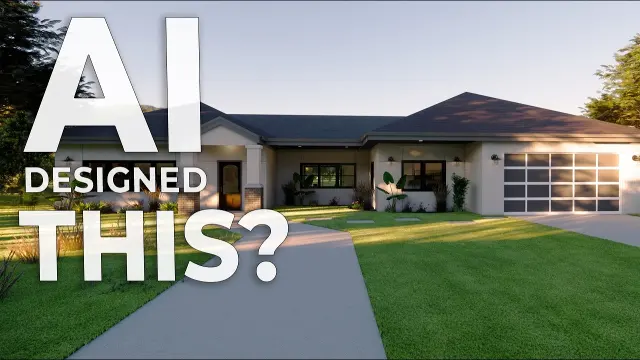 AI Designed This House And It Is Weird
 The Biggest Problem With AI Home Design
 House Design Inspired by an Orange Luxury AI Eco Home
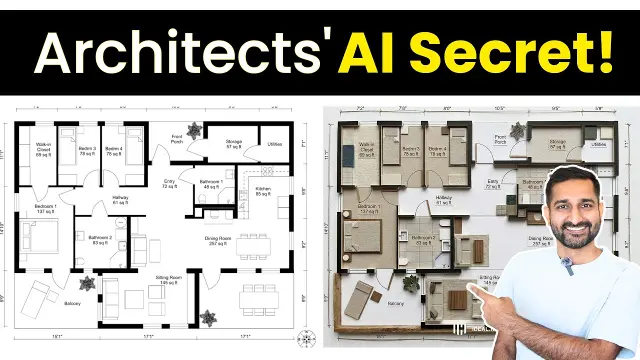 Ideal House AI Interior Design Tool with 3D Floor Plans
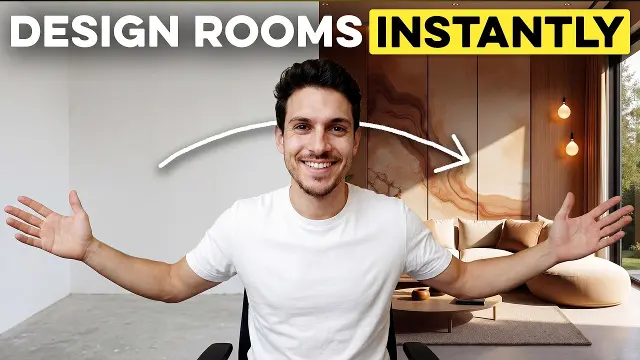 How to Do Interior Design With AI in Seconds
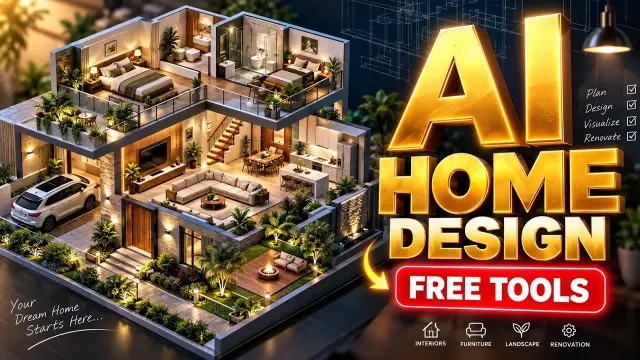 Design Your Dream Home with AI for Free
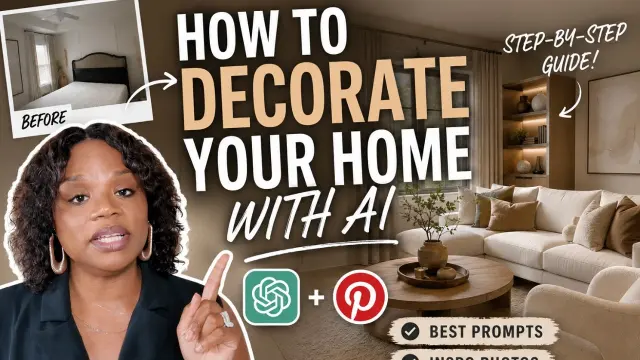 How to Decorate Your Home Using AI Step by Step Guide
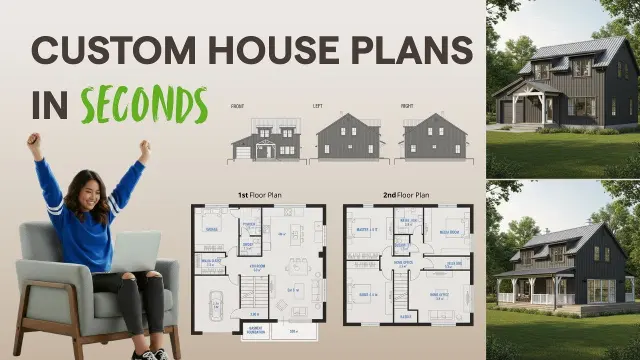 Instant AI House Plan Generator for Custom Floor Plans
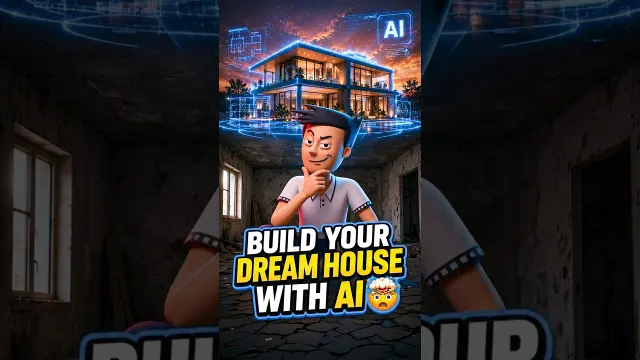 Design Your Dream Home with AI in Seconds
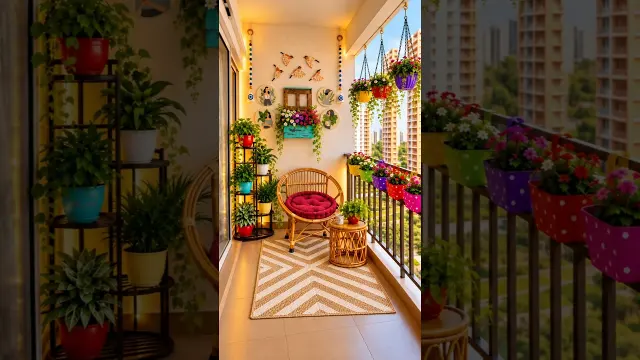 Empty balcony styled into a cozy corner
Get new #AI Home Design ideas by email
Every Thursday: the week's best ideas, with the newest from #AI Home Design.
Related tags
AI Home Design Ideas and Inspiration
AI home design is the use of artificial intelligence to help you imagine, plan, and refine interior spaces. It can be used to create room concepts, explore color palettes, rearrange furniture, and suggest styles that suit your taste. For many people, it is a helpful starting point when a room feels unfinished, too small, or hard to picture in a new layout.
At its core, AI home design works by generating visual ideas from your prompts, photos, or preferences. You might describe a room, upload an image, and ask for a warmer, brighter, more minimal, or more family-friendly version. The result is not a final plan, but a creative tool that helps you see possibilities more quickly than sketching by hand alone.
What AI home design is good for
AI design can be useful at different stages of a project. It can help you:
- experiment with styles before buying anything
- test paint colors, furniture placement, or decor ideas
- reimagine awkward spaces like small bedrooms, hallways, or balconies
- compare different moods, from calm and simple to layered and decorative
- gather inspiration when you do not know where to begin
Read more
It is especially helpful if you want to make a room feel more personal without starting from scratch. A single space can be interpreted in many ways, and AI makes it easier to explore several directions before choosing one.
Main styles and approaches
AI home design can adapt to many interior styles. You may want clean and minimal spaces with simple lines and light colors, or softer rooms with natural textures and a more relaxed feel. Some people use it to explore classic interiors, while others prefer a more modern look with bold contrast, statement furniture, or decorative details.
It also works well for specific room types. A living room may need seating and flow, a bedroom may call for calm and storage, and a balcony or small nook may need compact furniture and a clear purpose. The most useful designs are usually the ones that match how you actually live.
What beginners should know
AI is best used as an idea generator, not as a replacement for real-world planning. A beautiful image does not always account for measurements, lighting, door swings, electrical points, or the way a room is used every day. Before making decisions, check the practical side of the space.
When writing prompts, be clear about what matters most. Mention the room type, style, colors, mood, and any must-have features. If you are unsure, start simple and refine step by step. Small changes often give better results than trying to describe everything at once.
Practical tips
- Use photos of your actual room if possible.
- Save several versions so you can compare ideas calmly.
- Focus on a few design choices at a time, such as layout, color, or texture.
- Think about storage, movement, and natural light, not just appearance.
- Use AI for inspiration, then adapt the idea to real dimensions and everyday use.
AI home design can make decorating feel less overwhelming and more creative. It gives you a way to test possibilities, understand your own style, and move from vague inspiration to a room that feels considered and personal.
Videos come from YouTube and posts from Instagram; titles and summaries are our own. All rights belong to their creators.