 Singapore Airlines Unveils New Long-Haul Cabin Fleet
#Air Travel
2 ideas
Singapore Airlines Unveils New Long-Haul Cabin Fleet
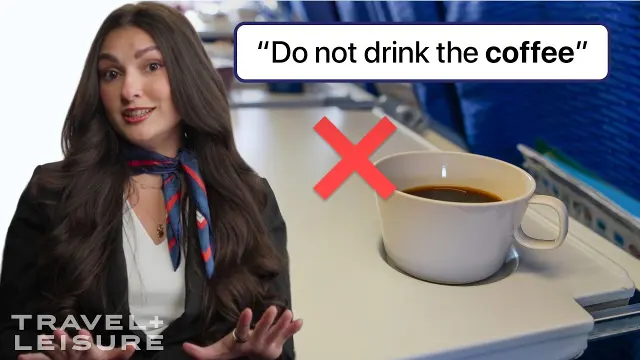 Flight Attendants Share Insider Secrets and Travel Hacks
Get new #Air Travel ideas by email
Every Thursday: the week's best ideas, with the newest from #Air Travel.
Related tags
A Beginner's Guide to Air Travel
Air travel is the practice of moving people between distant places by aircraft. What began as a daring novelty in the early twentieth century has become one of the most ordinary ways to cross a country or a continent. A flight compresses a journey that once took weeks into a few hours, and it has shaped how families live apart, how businesses work and how holidays are planned.
Most journeys follow the same rhythm: choosing a route, booking a seat, arriving at an airport, checking in, passing through security, boarding, flying and landing. Once you understand this sequence, the whole experience stops feeling mysterious. Airports are simply large buildings organised around it, with signs pointing you from one step to the next.
The main kinds of flying
Flights are usually divided by distance and by service. Short-haul routes connect cities a few hours apart; long-haul routes cross continents and often involve meals, films and a change of time zone. Full-service airlines include baggage and food in the fare, while low-cost carriers strip the ticket down to the seat and charge for extras. Nominal service classes, from basic economy to premium cabins, differ mainly in space, baggage allowance and flexibility rather than in safety.
Read more
Before you fly
- Check that your passport is valid well beyond your return date, and confirm any visa or entry requirements for your destination.
- Book early if your dates are fixed, and compare the total price rather than the headline fare, since bags and seat selection often cost extra.
- Read the baggage rules carefully. Cabin size limits vary, and a bag that fits one airline may not fit another.
- Keep essential items in your hand luggage: documents, medication, a charger and a change of clothes in case checked bags are delayed.
At the airport
Arrive with time to spare rather than exactly on time. Security screening asks you to empty pockets and separate liquids and electronics, so packing with that moment in mind saves minutes. Wear layers, since airport halls and cabins are rarely the temperature you would choose, and wear shoes you can slip off easily.
In the air
Drink water rather than relying on tea, coffee or alcohol, which are more dehydrating. Move around during long flights when it is safe to do so, and set your watch to the destination's time early to help your body adjust. Earplugs, an eye mask and a light scarf make sleeping in a shared cabin far easier, and a little patience with cabin crew and fellow passengers goes a long way.
Practical habits
Keep copies of your booking and documents somewhere other than your main bag. Photograph your luggage before checking it. Learn the airport code of your destination, as signs use codes rather than city names. And leave slack between connecting flights: a tight transfer is the most common source of a ruined trip.
Air travel rewards a little preparation. Know the steps, pack light, arrive early, and the journey becomes what it should be — simply the quiet part between leaving home and arriving somewhere new.
#Air Travel: frequently asked questions
How do I start planning a trip by air?
Begin with the route and the dates, then compare tickets on the total price rather than the headline fare, because bags and seat selection are often charged separately. Before committing, confirm that your passport is valid well past your return and that you meet any visa or entry rules for the destination. Booking early helps when your dates are fixed.
What do I need to sort out before I fly?
Get your documents in order first: a passport with plenty of validity left, any visa or entry clearance required, and your booking details. Keep a copy of those documents somewhere other than your main bag, and photograph your luggage before you check it. Reading the baggage rules of your specific airline is also worth the few minutes it takes.
Should I choose a full-service airline or a low-cost carrier?
It depends on what you actually need from the journey: full-service fares fold baggage and food into the price, while low-cost carriers sell you the seat alone and charge for the extras. Add up the total cost of the bags and flexibility you want before deciding, since a cheaper ticket can end up costing more. The service classes themselves differ in space, allowance and flexibility, not in safety.
How can I make a long flight more comfortable?
Drink water rather than relying on tea, coffee or alcohol, and get up to move around when it is safe to do so. Set your watch to the destination's time early so your body starts adjusting, and bring earplugs, an eye mask and a light layer for sleeping in a shared cabin. A little patience with the crew and the people beside you makes the hours pass more easily.
What are the most common mistakes people make when flying?
The biggest one is cutting a connection too fine — a tight transfer is the most frequent way a trip goes wrong, so leave slack between flights. Others are arriving at the airport exactly on time instead of with room to spare, and packing a cabin bag that meets one airline's limits but not another's. Packing with the security check in mind also saves time and stress.
How should I pack for the airport and the flight itself?
Keep documents, medication, a charger and a change of clothes in your hand luggage in case checked bags are delayed. Wear layers, since terminals and cabins are rarely the temperature you would pick, and choose shoes you can slip off easily for screening. Have your liquids and electronics ready to separate so the security line moves quickly.
Videos come from YouTube and posts from Instagram; titles and summaries are our own. All rights belong to their creators.