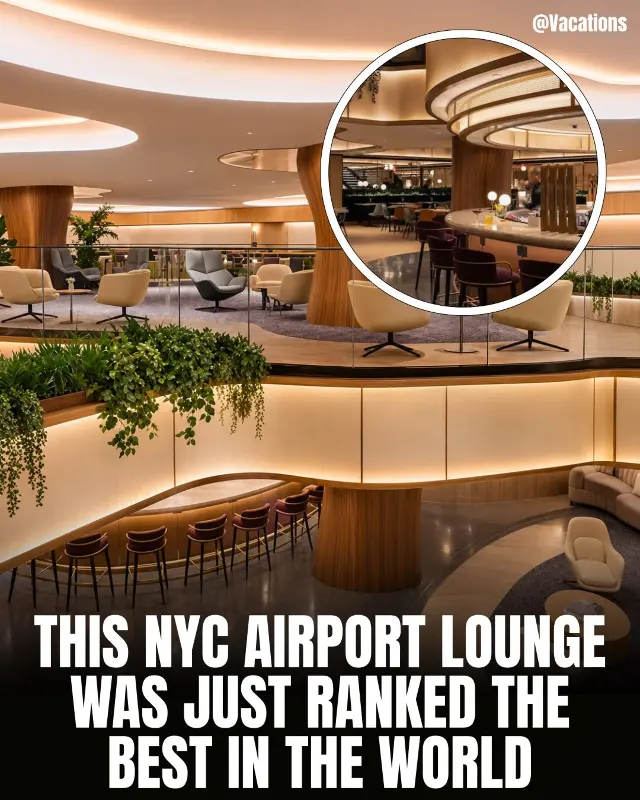
 New York City Airport Lounges Ranked Among the World's Best
#Airport Lounges
1 ideas
New York City Airport Lounges Ranked Among the World's Best
Get new #Airport Lounges ideas by email
Every Thursday: the week's best ideas, with the newest from #Airport Lounges.
Related tags
Airport Lounges: A Guide to Comfort Before You Fly
An airport lounge is a private waiting area inside a terminal, set apart from the gates and concourse, where travellers can sit, eat, work or rest before a flight. The idea is simple: airports are built to move large numbers of people through quickly, and a lounge offers the opposite — a quieter, calmer space with a seat you do not have to fight for. Lounges began as a perk for premium passengers on long-haul routes and grew outward from there, so that today they range from small, simple rooms to sprawling spaces with restaurants, showers and bedrooms.
The main kinds
Airline lounges are run by a specific carrier for its own passengers. Access usually depends on the cabin you are flying — business or first class — or on holding elite status in the airline's frequent flyer programme. These lounges are often the most polished, and often the most restrictive.
Independent lounges are operated by separate companies rather than airlines. They sell access directly, either as a day pass or through a membership, and they accept travellers from many different airlines. They are usually the easiest entry point for people who do not fly premium cabins often.
Read more
Some lounges are tied to a payment card or a membership scheme, which grants access to a network of partner lounges in many airports. Others are small, single-airport operations that simply rent space by the hour.
What you will typically find
Most lounges offer comfortable seating, power outlets, Wi-Fi, and some form of food and drink — sometimes a modest buffet, sometimes a full served meal. Larger ones add showers, quiet rooms, work desks, and sometimes a spa or a sleep pod. Do not assume: a lounge at a small regional airport may be little more than a quiet room with coffee and biscuits.
Practical tips for a first visit
Check where the lounge sits relative to security and to your gate. Some are landside, before passport control or security, which means leaving takes time; others are airside, near the departure gates. If you have a tight connection, a lounge far from your gate can cost you more than it gives.
Look up opening hours before you plan around them. Lounges are not always open around the clock, and some close in the middle of the day or overnight. Confirm the rules on guests, on how many hours you may stay, and on whether children are welcome.
Be realistic about timing. A lounge rewards the traveller who arrives early; if you have forty minutes before boarding, you will spend most of it walking.
Etiquette
Treat the lounge as a shared room. Keep phone calls short and quiet, do not leave bags across several seats when it is busy, and take only what you will eat. Leave the space as you found it. The pleasure of a lounge rests on everyone being a little more considerate than they would be at the gate.
#Airport Lounges: frequently asked questions
How do I get into an airport lounge if I'm not flying business or first class?
The easiest route for most travellers is an independent lounge, which is run by a separate company rather than an airline and sells access directly as a day pass or through a membership. Some lounges are also tied to a payment card or membership scheme that opens up a network of partner locations in many airports. Airline-run lounges are usually the hardest to enter without a premium cabin or elite status in that carrier's programme.
Which kind of airport lounge should I choose?
It depends on how you travel: airline lounges tend to be the most polished but the most restrictive, while independent lounges accept travellers from many different airlines and are the gentlest entry point if you rarely fly premium. Beyond that, pick by what you actually need — a quiet seat and coffee, a proper meal, a shower, or a desk to work at — since a small regional lounge may offer very little. A lounge close to your departure gate is worth more than a fancier one on the other side of the terminal.
What should I check before planning my visit around a lounge?
Confirm where it sits relative to security and to your gate, because landside lounges take time to leave and a lounge far from the gate can cost you more than it gives on a tight connection. Look up the opening hours too, as lounges are not always open around the clock and some close midday or overnight. It is also worth checking the rules on guests, on how long you may stay, and on whether children are welcome.
What are the common mistakes first-time lounge visitors make?
The biggest one is timing: a lounge rewards the traveller who arrives early, and with only a short window before boarding you will spend most of it walking there and back. Another is assuming all lounges are alike — a modest room with coffee and biscuits is a perfectly normal offering at a small airport. Not checking guest and stay rules in advance also leads to awkward surprises at the door.
What is the etiquette inside an airport lounge?
Treat it as a shared room: keep phone calls short and quiet, and don't spread your bags across several seats when it is busy. Take only the food you will actually eat, and leave the space as you found it. The calm that makes a lounge pleasant depends on everyone being a little more considerate than they would be out at the gate.
Is a lounge worth it on a long layover?
It can be, particularly when you want a seat you don't have to fight for, reliable Wi-Fi and power, or a shower between flights — larger lounges sometimes add quiet rooms and sleep pods. The value drops sharply if the lounge is far from your onward gate or closes during the hours you need it. Check both before you commit.
Videos come from YouTube and posts from Instagram; titles and summaries are our own. All rights belong to their creators.