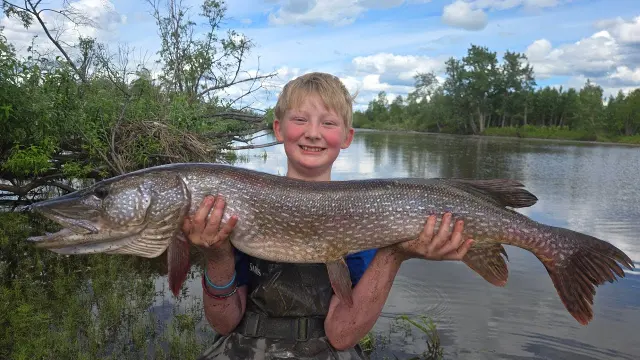
 Four Days of Remote Camping and Fishing in Alaska
#Alaska
3 ideas
Four Days of Remote Camping and Fishing in Alaska
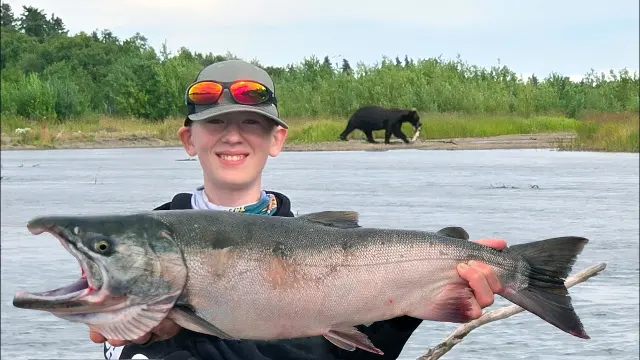 Epic Salmon Fishing Adventure in the Alaskan Wilderness
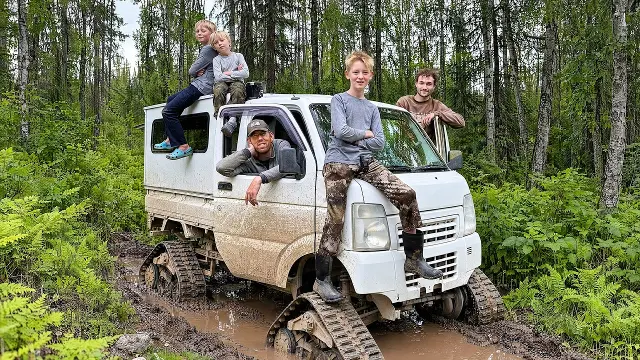 Three Weeks of Surviving and Camping Across Alaska
Get new #Alaska ideas by email
Every Thursday: the week's best ideas, with the newest from #Alaska.
Related tags
Alaska: Wilderness, Seasons, and Travel Guide
Alaska is a place of vast distances, strong seasons, and remarkable natural variety. It is known for mountains, glaciers, forests, tundra, rivers, and a long coastline shaped by the sea. For many people, Alaska means wilderness, but it is also home to communities with deep Indigenous histories, small towns, and modern cities. If you are drawn to quiet landscapes, outdoor travel, or wildlife watching, Alaska offers a setting unlike almost anywhere else.
What Alaska is known for
Alaska is often associated with rugged travel, fishing, camping, and nature-based adventure. Its landscapes range from coastal inlets and islands to alpine peaks and wide open interior country. Because the state is so large, conditions can change a lot from one region to another. Coastal areas are often wetter and milder, while inland regions can be drier and more extreme in temperature.
Wildlife is part of Alaska’s identity, and visitors may hope to see bears, moose, eagles, whales, seals, or caribou, depending on the area and season. When you are in Alaska, it is wise to treat wildlife with respect and keep a safe distance. The landscape is beautiful, but it is also wild and should be approached carefully.
Read more
Understanding the seasons
The seasons shape almost everything in Alaska. Summer brings long daylight hours in many places, making it a popular time for hiking, boating, fishing, and road travel. Spring and autumn can be beautiful and quieter, but weather may shift quickly. Winter is severe in many regions, with cold temperatures, snow, and limited daylight.
If you are planning a trip, think less about the calendar alone and more about what you want to do. For example:
- Summer is usually best for long outdoor days and easier access to many routes.
- Shoulder seasons can offer solitude and striking scenery, but conditions may be less predictable.
- Winter is for travelers prepared for cold weather, short days, and specialized activities.
Common ways people experience Alaska
Many visitors experience Alaska through road trips, cruises, rail journeys, flights between remote places, or stays in cabins and lodges. Others come for fishing, hiking, wildlife viewing, or camping. Because distances are large, travel can take longer than expected, and the weather may affect plans.
A few things are helpful to remember:
- Check routes and distances carefully before you go.
- Leave extra time for weather delays and slow travel.
- Expect remote areas to have limited services.
- Bring layers, even in summer, because conditions can change fast.
Practical tips for beginners
If this is your first time exploring Alaska, keep your plans simple. Choose one region rather than trying to cover too much ground. Learn the basics of outdoor safety, especially if you will be hiking, camping, or fishing. Carry suitable clothing for rain, wind, and cooler temperatures, and make sure someone knows your route if you are heading into remote country.
Respect local communities, land, and wildlife. Alaska is not only a backdrop for adventure; it is a lived-in place with traditions, working people, and fragile ecosystems. Slowing down and traveling thoughtfully will help you enjoy it more.
Videos come from YouTube and posts from Instagram; titles and summaries are our own. All rights belong to their creators.