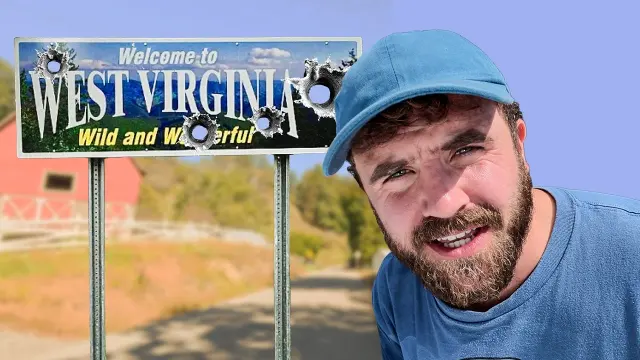
 Exploring Rural America in West Virginia
#American Travel
14 ideas
Exploring Rural America in West Virginia
 Ten Affordable US Cities for Budget Travel
 Top 15 Places to See in the USA Bucket List
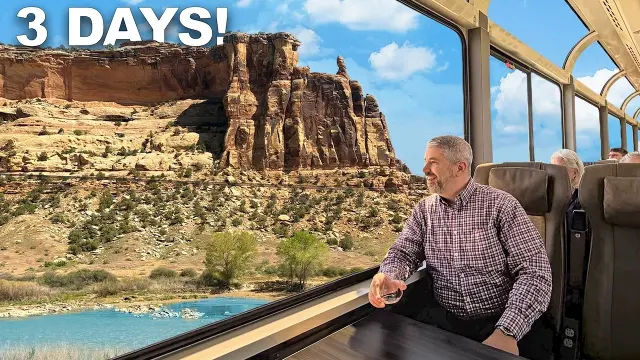 First Class Experience on American Luxury Train
 One Hundred Hour Train Journey Across America
 Family RV Road Trip from New York to Texas
 Fourteen Best Road Trip Itineraries in the USA
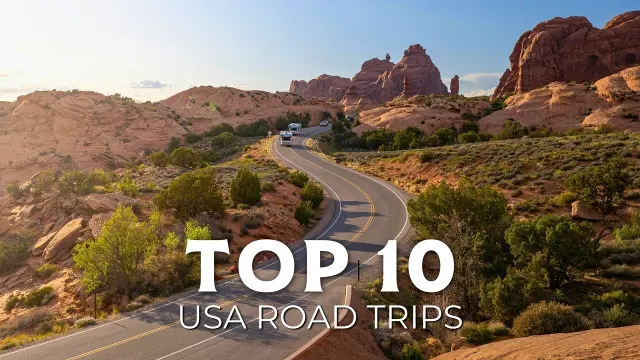 Ten Best Road Trips Across America
 Taking the Longest Train Ride in America
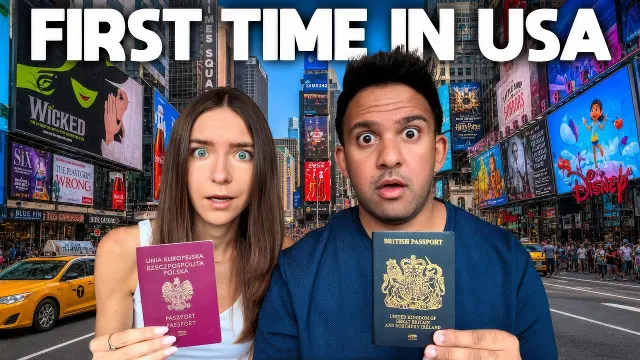 First Time Visiting New York City in America
 Best Places to Visit in the USA by Month
 Taking the Longest Bus Ride in America
 The Complete Route 66 Road Trip from Chicago to Santa Monica
 Unseen America Cinematic Journey Through National Parks
Get new #American Travel ideas by email
Every Thursday: the week's best ideas, with the newest from #American Travel.
Related tags
Traveling in America: A Practical Guide
What American travel means
Travel in the United States covers an enormous range of experiences, from dense cities and historic towns to deserts, mountains, beaches, and vast open roads. Because the country is so large, “American travel” often means planning around distance, climate, and region as much as choosing a destination. You might spend one trip exploring a single city in depth, or combine several states into a longer journey.
The United States is especially known for road travel. Long highways connect major cities, smaller towns, and scenic landscapes, making self-drive trips a classic way to explore. At the same time, air travel, rail in some corridors, and local transit can all play an important role, especially in bigger metro areas.
Common travel styles
Read more
There are many ways to travel in America:
- City breaks: ideal for museums, food, shopping, architecture, and entertainment
- Road trips: good for flexible itineraries and seeing varied landscapes
- Nature travel: focused on national parks, forests, lakes, coastlines, and mountains
- Family travel: often built around theme parks, beach towns, or easy-to-navigate destinations
- Cultural travel: centered on history, music, art, and local traditions
Each region has its own character. The Northeast is often associated with historic cities and compact travel between states. The South offers a mix of hospitality, food traditions, and varied landscapes. The Midwest is known for wide-open scenery, inland cities, and road-trip routes. The West brings dramatic natural scenery, coastal stretches, and major outdoor destinations.
What to know before you go
Because the country is so big, good planning matters. Distances can be much longer than they look on a map, so it helps to avoid overpacking your itinerary. In many places, especially outside major cities, a car is useful or even necessary. In cities, traffic, parking, and tolls can affect your plans, so check those details in advance.
Weather also varies widely. A single trip can pass through very different climates, so pack for the season and the region. Comfortable walking shoes, layered clothing, and a reusable water bottle are sensible basics for most journeys.
Practical tips for beginners
- Choose one region rather than trying to “do everything” at once
- Leave time for rest, especially on long driving days
- Book popular stays and transport early if your dates are fixed
- Check opening hours, since attractions can vary by day and season
- Keep some flexibility for traffic, weather, or spontaneous stops
If you’re new to traveling in the United States, start with a style that suits you. A single city, a coastal drive, or a national park area can give you a strong sense of place without feeling rushed. The best American trips usually balance famous landmarks with simple everyday moments: a local diner, a quiet main street, a scenic overlook, or a long stretch of open road.
#American Travel: frequently asked questions
How should I start planning a trip to the United States if it's my first time?
Begin by picking a single region or city rather than trying to cover the whole country, since distances are far larger than they appear on a map. Let that choice guide your transport, your accommodation and the pace of your days. A focused trip usually leaves a stronger impression than a rushed one.
What do I need to sort out before traveling in America?
Think through transport first, because a car is genuinely useful in many places outside big cities, while metro areas are easier without one. Check opening hours and seasonal conditions for the attractions you care about, and reserve popular stays early if your dates are fixed. Pack layers and comfortable shoes, since you may move through very different climates on one trip.
Which travel style suits me best?
Match the style to what you actually enjoy: city breaks for museums and food, road trips for flexibility and scenery, nature travel for parks and coastlines, family trips for easy-to-navigate destinations. If you are new to the country, a single city, a coastal drive or a national park area gives you a real sense of place without feeling rushed.
How do I handle long driving days without burning out?
Treat driving time as part of the trip rather than dead time between stops, and plan fewer stops per day than you think you need. Build in rest, and leave room for spontaneous detours, traffic and weather. Splitting a long route over more days almost always makes the journey more enjoyable.
What are the common mistakes first-time visitors make?
The biggest one is overpacking the itinerary with too many destinations and too little travel time between them. Others include assuming a car is unnecessary everywhere, ignoring tolls and parking in cities, and skipping a check of whether attractions are open on the day you plan to visit. Keeping some flexibility protects the trip when plans shift.
Any ideas for a memorable American trip beyond the famous landmarks?
Balance headline sights with ordinary moments: a local diner, a quiet main street, a scenic overlook, or a long stretch of open road. Rural areas and smaller towns often give you the clearest sense of a region's character. Choosing a theme, such as food, music, history or landscapes, helps tie a route together.
Videos come from YouTube and posts from Instagram; titles and summaries are our own. All rights belong to their creators.