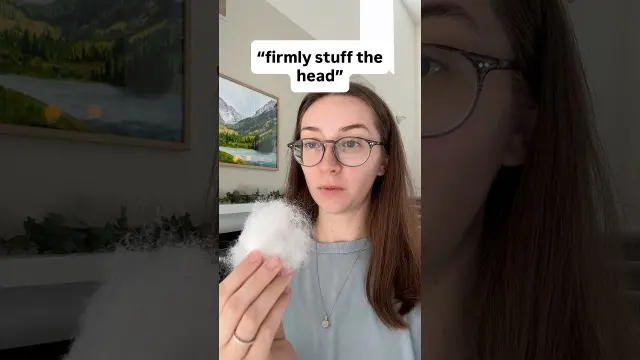
 What Firmly Stuffing Really Means in Amigurumi
#Amigurumi Cat
1 ideas
What Firmly Stuffing Really Means in Amigurumi
Get new #Amigurumi Cat ideas by email
Every Thursday: the week's best ideas, with the newest from #Amigurumi Cat.
Related tags
Amigurumi Cat: A Beginner's Guide to Crocheted Cats
An amigurumi cat is a small stuffed cat made by crocheting or knitting, usually in a continuous spiral of stitches so that the fabric forms a firm, closed shape that is then filled with stuffing. The word comes from Japanese: "ami" refers to crocheted or knitted fabric, and "nuigurumi" means stuffed toy. The craft grew out of a Japanese love of small, characterful mascots and spread worldwide through craft books, blogs and the internet, where patterns now travel freely between languages.
Cats are one of the most popular amigurumi subjects, and it is easy to see why. A cat can be suggested with very few elements: a rounded head, two triangular ears, a small body, four short legs and a tail. That simplicity makes cats a favourite first project, yet the same shapes leave plenty of room for character, so experienced makers return to them again and again.
The main styles
Most amigurumi cats fall into a few loose families. Chibi or kawaii cats exaggerate the head and shrink the body, giving a toy that looks like a plush character. More realistic cats keep proportions closer to a real animal, with shaped muzzles, defined paws and a tail that curves naturally. Sitting cats are worked as a single upright form, while lying cats flatten the body so the toy rests on a shelf. Some makers dress their cats in tiny clothes, give them accessories, or make them in a single colour with embroidered markings instead of colour changes.
Read more
Yarn, hook and stuffing
Almost any yarn works, but the choice shapes the result. Smooth cotton gives crisp, even stitches and holds shape well; soft acrylic or chenille makes a plumper, cuddlier toy but can hide stitch definition. A hook slightly smaller than the yarn label suggests usually produces the tight fabric amigurumi needs, so the stuffing stays inside and does not show through.
Stuffing matters as much as the stitches. Add it in small pieces rather than one large clump, pushing it into the corners of ears and legs first, and build up gradually until the shape is firm but not stretched. Under-stuffed toys go limp; over-stuffed ones distort the stitches.
What beginners should know
Work in a continuous spiral and mark the first stitch of each round, because amigurumi rounds have no visible seam. Count every round carefully; a single missed stitch shows up later as a lopsided head. Practice the basic single crochet, the magic ring and simple increases and decreases before starting a full cat.
For features, embroidered eyes and noses are safest on toys meant for babies or pets, while plastic safety eyes should be fixed firmly and are best avoided on anything intended for very young children. Whiskers can be stitched in with thread or a few strands of yarn.
Finally, take time over assembly: pin the ears, legs and tail in place before sewing, check the balance from several angles, and use small, even stitches. A well-joined cat looks intentional; a hastily joined one rarely does.
#Amigurumi Cat: frequently asked questions
How do I start making an amigurumi cat if I've never crocheted a toy before?
Begin with the basic building blocks rather than a whole cat: practice the single crochet stitch, the magic ring, and simple increases and decreases until they feel automatic. Amigurumi is worked in a continuous spiral with no seam, so place a marker in the first stitch of each round and count as you go, since one missed stitch turns into a lopsided head later. Cats are a forgiving first project because the shape needs only a rounded head, ears, a small body, legs and a tail.
Which yarn and hook work best for an amigurumi cat?
Smooth cotton gives crisp, even stitches and holds the shape well, while soft acrylic or chenille makes a plumper, cuddlier toy that can blur the stitch definition. Whichever you pick, a hook slightly smaller than the yarn label recommends usually gives the tight fabric a stuffed toy needs, so the filling stays inside and doesn't peek through. Try a small swatch first to see how the fabric reads before committing to a whole cat.
How do I stuff an amigurumi cat so it keeps its shape?
Add the stuffing in small pieces instead of one big clump, working the corners of the ears and legs first and building up gradually. Aim for firm but not stretched, because under-stuffed toys go limp while over-stuffed ones distort the stitches. Check the balance from a few angles as you go, especially if the cat will sit upright.
Which style of amigurumi cat should I choose?
Chibi or kawaii cats exaggerate the head and shrink the body for a plush, characterful look, while realistic cats keep true proportions with a shaped muzzle, defined paws and a naturally curved tail. Sitting cats are worked as a single upright form, and lying cats have a flatter body that rests on a shelf. Dressing the cat in tiny clothes, adding accessories, or working it in one colour with embroidered markings instead of colour changes are all ways to change the result from the same basic shapes.
What are the most common beginner mistakes with amigurumi cats?
Losing track of the round count is the big one, since a dropped stitch only becomes visible much later as a crooked head or a body that won't sit straight. Rushing the finishing is the other: pin the ears, legs and tail in place before sewing, check the balance from several sides, and use small even stitches. A carefully joined cat looks intentional, while a hastily assembled one rarely does.
How should I care for a finished amigurumi cat, and is it safe for a baby?
Spot clean the surface with a little mild soap and let it air dry rather than machine washing, which can shift the stuffing and fuzz the yarn. For anything likely to be chewed or handled by very young children or pets, embroider the eyes and nose with yarn or thread instead of using plastic safety eyes, and stitch whiskers in securely. If you do use safety eyes, fix them firmly and keep the toy for older children.
Videos come from YouTube and posts from Instagram; titles and summaries are our own. All rights belong to their creators.