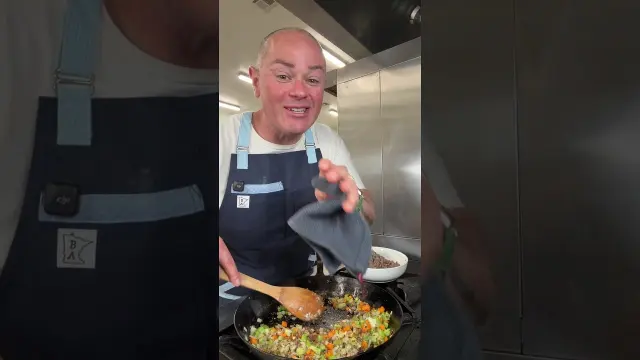
 Sausage and Herb Stuffing with an Anchovy Umami Boost
#Anchovy
1 ideas
Sausage and Herb Stuffing with an Anchovy Umami Boost
Get new #Anchovy ideas by email
Every Thursday: the week's best ideas, with the newest from #Anchovy.
Related tags
Anchovy: The Small Fish Behind Deep Savory Flavor
The anchovy is a small, silvery schooling fish that lives in coastal waters in many parts of the world. It feeds mostly on plankton, and it belongs among the forage fish — the small species that herring and sardines also count among, though each sits in its own branch of the fish family tree. Because anchovies are small, soft and highly perishable, they are rarely eaten fresh outside the regions where they are caught. Instead, most of the world knows them salted, cured, dried or packed in oil, where they become something far more concentrated than the fish itself: a seasoning.
How a tiny fish becomes a pantry staple
The basic method is old and simple. Fish are layered with salt, pressed, and left to mature. The salt draws out moisture, the flesh slowly firms and darkens, and enzymes and time develop the deep savory flavor cooks reach for. After curing, the fish may be sold whole under a crust of salt, cleaned and filleted into flat tins with oil, or mashed into a paste. In Mediterranean kitchens, vinegar-cured white anchovies are served whole as a light, mild snack, quite different from the salty kind. Southeast Asian fish sauces take the same principle one step further, turning the fish into a liquid seasoning.
Why such a strong flavor from such a small fish
Read more
Anchovies are rich in glutamates and other compounds that give food what cooks describe as umami: a rounded, mouth-filling savoriness. Used in small amounts, they do not taste obviously of fish. They melt into warm oil or simmer into a sauce and then seem to vanish, leaving a dish that tastes fuller and deeper than its ingredients suggest.
Ways to use them
- Warm olive oil gently with garlic and chopped anchovy until the fish dissolves, then toss with pasta, vegetables or bread.
- Mash a fillet or two into a vinaigrette or a creamy dressing for a salad.
- Chop into stuffings, meatballs or braises, where they add background rather than foreground.
- Let a couple of fillets break down in a tomato sauce or a stew.
- Spread on hot toast with butter for a quick, assertive snack.
Two things matter more than any recipe: use less than you think you need, and keep tasting. Anchovies also turn bitter if they scorch, so add them to moderate heat and stir.
Advice for beginners
Start with oil-packed fillets, which are mild, convenient and easy to chop. Salt-packed anchovies are worth trying once you know the flavor — rinse them well and pat dry before using. Once a tin is open, move leftovers to a small jar, cover them with oil and keep them refrigerated. They are best used within a short time. Dried and salt-cured anchovies keep far longer in a cool, dark cupboard.
A tin of anchovies is less an ingredient than a shortcut to depth. Keep one on hand, and a plain dish rarely stays plain.
#Anchovy: frequently asked questions
How do I start cooking with anchovies if I've never used them before?
Begin with the oil-packed fillets in a flat tin, since they are mild and easy to handle, and add just one or two to a dish you already cook often. Warm them gently in olive oil with garlic until they break apart, then carry on with the rest of the recipe as usual. Tasting as you go is the whole technique: you are learning how much depth a small amount adds.
Which kind of anchovy should I buy?
Oil-packed fillets are the easiest entry point because they are convenient, relatively mild and ready to chop or mash. Salt-packed whole fish are worth trying once you know the flavor, but they need a thorough rinse and a pat dry before use. Vinegar-cured white anchovies are a different thing entirely, mild and bright, meant to be eaten whole as a snack rather than used as seasoning.
How should I store anchovies once a tin is open?
Move any leftovers out of the tin and into a small jar, cover them with oil and keep them refrigerated, using them within a short time. Leaving them in the open tin is what turns them harsh. Dried and salt-cured anchovies are simpler, keeping far longer in a cool, dark cupboard.
What can I make with anchovies beyond pasta?
Mash a fillet or two into a vinaigrette or creamy dressing, or chop them into stuffings, meatballs and braises where they sit in the background rather than the foreground. They also break down in a tomato sauce or stew, or spread on hot buttered toast for a fast, assertive snack. A stuffing for roast poultry or vegetables is a good place to see what they do.
What are the common mistakes people make with anchovies?
Using too much is the usual one, so start with less than you think you need and keep tasting as the dish cooks. The other is heat: anchovies turn bitter if they scorch, so add them to moderate warmth and stir rather than letting them sit in a hot pan. Don't worry about a fishy result if you use them sparingly, since they melt into oil and sauce and leave only depth behind.
Why do anchovies make food taste so much fuller?
They are rich in glutamates and similar compounds that give the rounded, mouth-filling savoriness cooks call umami. In small amounts they don't read as fish at all; they dissolve into warm oil or simmer into a sauce and seem to disappear. What's left is a dish that tastes deeper than its list of ingredients would suggest.
Videos come from YouTube and posts from Instagram; titles and summaries are our own. All rights belong to their creators.