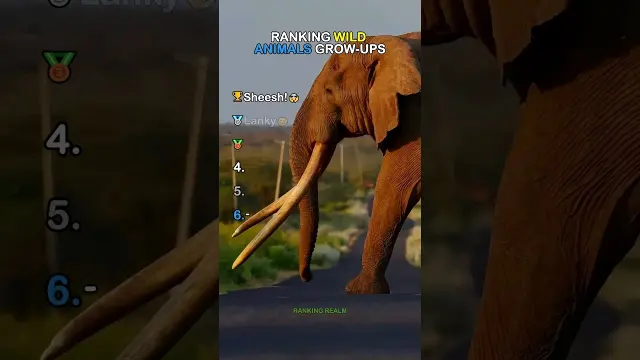
 Ranking Wild Animal Growth and Transformations
#Animal Growth
1 ideas
Ranking Wild Animal Growth and Transformations
Get new #Animal Growth ideas by email
Every Thursday: the week's best ideas, with the newest from #Animal Growth.
Related tags
Animal Growth and Transformation Guide
What animal growth means
Animal growth is the process by which an animal develops from an embryo, hatchling, cub, pup, or young offspring into an adult. It usually includes not only getting bigger, but also changes in body shape, behavior, feeding needs, and the way the animal moves or survives. In many species, growth is steady and gradual. In others, it is dramatic, with one life stage looking very different from the next.
All animals begin life in a form suited to their species: some are born alive, some hatch from eggs, and some pass through unusual stages that make their early life quite unlike adulthood. Growth is shaped by genetics, nutrition, temperature, habitat, and the level of care the young animal receives.
Main types of growth and development
Read more
There are several broad patterns of animal growth:
- Direct development: the young animal resembles a smaller version of the adult and grows more or less continuously.
- Metamorphosis: the animal passes through major changes in body form during development.
- Gradual maturation: physical size increases slowly while the animal learns adult behaviors and reaches reproductive maturity.
In direct development, you may see it clearly in many mammals and birds. The young are dependent at first, then become more independent as they grow. In metamorphosis, the change is more striking. Some insects, amphibians, and other animals transform from larval or juvenile stages into very different adult forms.
Metamorphosis and dramatic change
Metamorphosis is one of the most fascinating forms of animal growth. It is the process in which a young form changes into a completely different adult body. This often involves changes in feeding, habitat, and movement.
Common examples include:
- Insects that begin as larvae and later become winged adults
- Amphibians that begin life in water and later develop a more land-based adult form
For beginners, it helps to remember that metamorphosis is not just “getting bigger.” It is a biological transition with distinct stages, each serving a different purpose.
What affects growth
Animal growth is influenced by many natural factors:
- Food quality and availability
- Water and environmental conditions
- Safety from predators and stress
- Temperature and seasonal patterns
- Health and disease
- Parental care or social support
Young animals often need more protection and nourishment than adults. Good growth depends on conditions that allow the animal to eat, rest, and develop normally.
How to observe animal growth
If you are studying or photographing animal growth, look for changes over time rather than a single moment. Useful signs include:
- Body size and proportions
- Fur, feathers, scales, or skin changes
- Eye opening, mobility, and coordination
- Feeding habits and independence
- Social behavior and interaction with the environment
Keep a respectful distance, especially with wild animals. Avoid disturbing nests, dens, or young animals, and never separate offspring from their parents.
A simple way to think about it
Animal growth is a story of becoming. Some animals follow a calm and familiar path from young to adult, while others transform almost completely along the way. If you understand the basic stages of development, you can better appreciate how varied and remarkable animal life really is.
Videos come from YouTube and posts from Instagram; titles and summaries are our own. All rights belong to their creators.