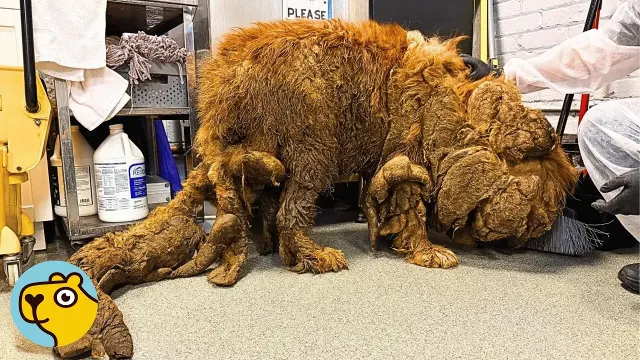
 Police Officer Rescues Severely Matted Giant Dog
#Animal Transformation
1 ideas
Police Officer Rescues Severely Matted Giant Dog
Get new #Animal Transformation ideas by email
Every Thursday: the week's best ideas, with the newest from #Animal Transformation.
Related tags
Animal Transformation Guide
Animal transformation is a broad idea that covers the many ways animals change in appearance over time. Some changes are natural, such as growth, shedding, moulting, or metamorphosis. Others come from human care, such as grooming, brushing, bathing, trimming, or helping a neglected animal look tidy and comfortable again. In visual inspiration, the phrase often points to striking before-and-after changes that show how much an animal’s coat, posture, and expression can improve with gentle care.
Natural change in animals
Many animals transform as part of normal development. Young animals grow into adult coats, markings, and body shapes. Some species shed fur or feathers seasonally, while others change colour or texture as they age. In insects and amphibians, transformation can be dramatic, with one life stage giving way to another. These changes are part of nature’s rhythm and show that transformation is not always a makeover; sometimes it is simply growth.
Grooming and care transformations
Read more
For pets, transformation often means grooming. A clean, brushed, well-trimmed coat can make a huge difference in how an animal looks and feels. Long-haired breeds may need regular detangling, while short-haired animals often benefit from brushing to remove loose hair and dirt. Bathing, nail care, ear cleaning, and coat trimming can all help an animal appear healthier and more comfortable.
A transformation can also happen when an animal has been neglected or rescued. Severely matted fur, for example, may need careful removal by a professional groomer or veterinary team. The goal is not only appearance, but comfort, mobility, and a calmer daily life. With patience, many animals become more relaxed once the grooming is over and they can move more easily.
Common kinds of animal transformation
- Natural growth and maturation
- Shedding or moulting
- Metamorphosis in some species
- Seasonal coat changes
- Grooming makeovers for pets
- Rescue and rehabilitation transformations
- Styling for shows, photos, or special occasions
What beginners should know
If you are caring for an animal that needs a transformation, start gently. Use tools and techniques suited to the species, coat type, and temperament. Work slowly, especially if the animal is anxious or has painful tangles. Never rush a grooming session, and stop if the animal becomes distressed. When a coat is heavily matted, a professional groomer or veterinarian is often the safest choice.
It also helps to think beyond the visual result. A good transformation should respect the animal’s comfort, safety, and natural needs. Clean, healthy, well-cared-for animals usually look better because they feel better.
Practical tips
- Brush regularly to prevent tangles and loose fur from building up
- Check paws, ears, and under the coat for hidden debris
- Use calm handling and short sessions if the animal is nervous
- Choose grooming methods that suit the animal’s breed and coat
- Ask for expert help when mats, skin irritation, or fear make the job difficult
Animal transformation is most meaningful when it combines beauty with care. Whether it happens naturally or through grooming, it shows how much change can happen with time, patience, and attention.
Videos come from YouTube and posts from Instagram; titles and summaries are our own. All rights belong to their creators.