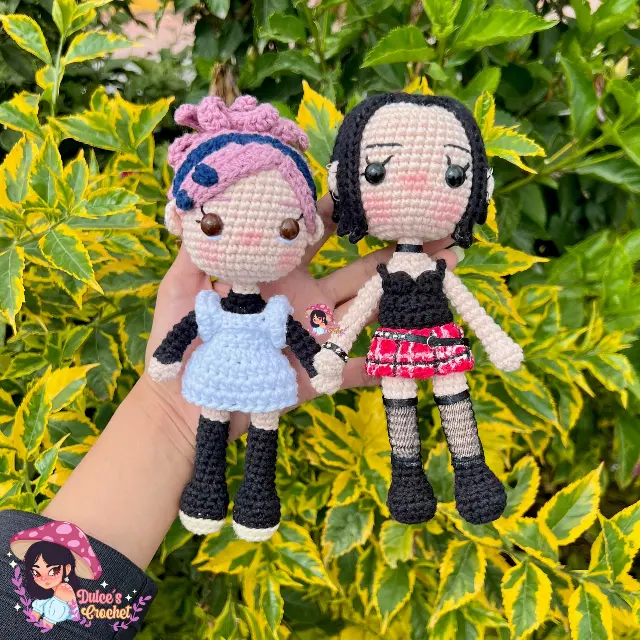
 Handmade Nana Anime Amigurumi Dolls
#Anime Plush
1 ideas
Handmade Nana Anime Amigurumi Dolls
Get new #Anime Plush ideas by email
Every Thursday: the week's best ideas, with the newest from #Anime Plush.
Related tags
Anime Plush: A Beginner's Guide to Collecting and Caring
A plush is a soft toy built from fabric panels that are sewn together, stuffed, and usually embroidered or printed with a face. An anime plush takes that familiar form and gives it a character from animation, manga or a game — a figure with a distinctive haircut, outfit or expression, translated into fabric. It is one of the gentlest ways to keep a character around: something to hold, sleep beside, or leave on a shelf, rather than something sealed in a box.
The appeal is partly practical. Plush toys are forgiving. A drawing can be small, stylised and exaggerated, and a plush can follow suit without losing the character's recognisability. Where a figurine depends on sculpted detail, a plush depends on silhouette, colour and the few features that matter most: the shape of the hair, the line of a coat, a particular pair of eyes.
The main styles
- Chibi and super-deformed plush: shrunken proportions, oversized heads, minimal bodies. The most common shape for character plush.
- Bean-bottomed or sitting plush: weighted at the base so they stay upright on a shelf or desk.
- Long-limbed or pillow-style plush: stretched, huggable forms that work as cushions.
- Mascot and keychain plush: palm-sized, often with a loop or clip for a bag.
- Handmade plush and amigurumi: crocheted or sewn by an individual maker rather than a factory, which allows for characters that no commercial line has produced.
Read more
Materials and construction
Most plush are made from polyester fabrics — minky and fleece for a soft nap, shorter pile for cleaner lines, cotton or linen blends for a sturdier handmade feel. Faces are usually embroidered rather than printed, because stitching survives washing and handling far better than ink. Inside, you will find polyester fibre filling, sometimes with plastic pellets for weight.
Beginners buying their first plush should look at the seams and the embroidery first. Even stitching, no loose threads, and eyes that sit symmetrically are good signs. Check whether small parts — ribbons, buttons, clips — are securely attached, especially if the toy will be near young children.
Caring for them
Dust settles into pile and dulls colour, so give plush a gentle brush or a light vacuum with a soft nozzle now and then. Keep them out of direct sunlight, which fades fabric over time, and away from damp, which encourages mustiness inside the filling. For washing, surface-clean small marks with a barely damp cloth and mild soap, and blot rather than scrub. If a whole plush needs washing, check its care label, use cool water, and dry it thoroughly and evenly — trapped moisture is the real enemy.
For makers
If you want a character that does not exist as a product, sewing or crocheting one is very achievable. Start with a simple shape, work in a fabric you can handle comfortably, and expect the first attempt to teach you more than any tutorial. Scale your pattern up slightly in your head: hand-sewn plush nearly always come out smaller than planned.
Whether bought or made, an anime plush is a small, durable kind of affection — worth choosing slowly, and worth looking after.
#Anime Plush: frequently asked questions
What should I look for when buying a first anime plush?
Start with the seams and the embroidery, since those show craftsmanship before anything else does. Even stitching, no loose threads and eyes that sit symmetrically are reassuring signs, and small trims like ribbons or clips should feel firmly fixed. If the plush will be around young children, give those little parts an extra tug before you commit.
Which style of anime plush should I choose?
Let the way you want to use it decide. Chibi shapes with big heads read as the character most clearly on a shelf, bean-weighted ones stay sitting upright on a desk, and long-limbed pillow styles are the ones worth hugging. If you want something that travels with you, a palm-sized mascot with a loop is the practical pick.
How do I clean an anime plush without damaging it?
For small marks, use a barely damp cloth with a little mild soap and blot rather than scrub, so the pile and stitching stay intact. If the whole toy needs washing, read the care label first, use cool water, and dry it thoroughly and evenly. Trapped moisture inside the filling is what actually ruins a plush, not the washing itself.
Where should I keep my plush, and what harms them most?
Keep them out of direct sunlight, which fades fabric over time, and away from damp spots that let mustiness develop in the filling. Dust dulls the colour as it settles into the pile, so a soft brush or a light pass with a vacuum on a soft nozzle now and then helps. A shelf away from a window is usually the kindest spot.
Can I make an anime plush myself if nobody sells that character?
Yes, and sewing or crocheting one is genuinely within reach for a beginner, which is how makers end up with characters no commercial line has produced. Start with a simple shape and a fabric you find comfortable to handle, and treat the early attempt as practice rather than a failure. Expect the finished toy to come out smaller than you pictured, so scale your pattern up slightly to compensate.
What do people most often get wrong with anime plush?
The common slip is buying on the strength of the character alone and ignoring how the toy is put together, which shows up later as split seams or a crooked face. The other is treating plush as untouchable, when a little brushing and careful spot cleaning keeps them looking right for far longer. And for anyone making their own, underestimating the size of the pattern is the mistake that catches almost everyone.
Videos come from YouTube and posts from Instagram; titles and summaries are our own. All rights belong to their creators.