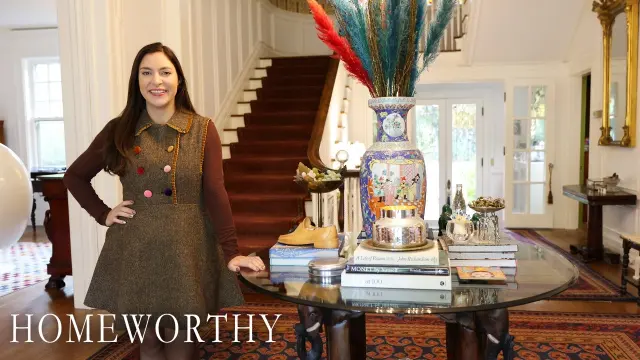
 Touring an Artist's 1900s Memphis Home Filled with Antiques
#Antiques
2 ideas
Touring an Artist's 1900s Memphis Home Filled with Antiques
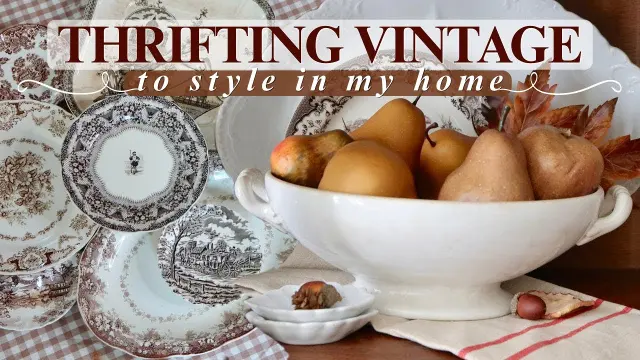 Thrifting Unique Home Decor at Goodwill and Styling It
Get new #Antiques ideas by email
Every Thursday: the week's best ideas, with the newest from #Antiques.
Related tags
A Beginner's Guide to Antiques and Collecting
An antique is, by the usual convention, an object that is at least a hundred years old — though the word carries more than a number. It suggests something made by hand, made to last, and passed down rather than bought new. That combination of age, craft and survival is what gives old furniture, ceramics, glass, textiles and metalware their particular pull.
Where the idea comes from
People have collected the past for as long as they have had possessions, but the habit of treating old objects as desirable in themselves took hold in Europe during the Renaissance and spread widely in the centuries that followed, as travel, trade and printing made different styles visible to more people. The result is a field organised loosely by period and style — Georgian, Victorian, Art Nouveau, Arts and Crafts, Art Deco among them — and by material: oak, mahogany, walnut, porcelain, silver, brass, glass, linen.
What makes something collectable
Read more
Four things tend to matter more than anything else:
- Age and authenticity: is it genuinely of the period it claims?
- Condition: original surfaces and intact parts are prized; heavy repair lowers value.
- Quality of making: joinery, proportion, finish and decoration.
- Rarity and demand: how often it appears, and how many people want it.
Condition is where beginners most often go wrong. A worn finish, a soft patina, small dents and old repairs are part of an object's history and often part of its appeal. Over-restoration — stripping, sanding, refinishing, replacing hardware — usually removes value rather than adding it. When in doubt, do less.
Telling old from new
Distinguishing genuine age from a good reproduction takes practice, and no single clue settles it. Look at the underside and the back, not the front. Hand tools leave irregular marks; machinery leaves regularity. Wood darkens and shrinks with time, joints loosen, drawers wear unevenly where hands have pulled them, and screws, nails and hinges change shape across the decades. Old glass has a faint waviness and a soft ring; old porcelain shows wear on the gilding where it has been handled. Reproductions are frequently aged artificially, so it pays to look at several details together and to ask about an object's history.
Buying and caring
Antique fairs, auction rooms, estate sales, charity shops and specialist dealers all offer different things: fairs and dealers offer knowledge and a chance to handle pieces, auctions and house sales offer discovery and uncertainty. Inspect in person when you can, ask questions, and buy what you genuinely like — the pleasure of living with a piece should not depend on its future value.
At home, keep antiques out of direct sunlight and away from radiators, and avoid sharp swings in humidity, which crack wood and lift veneer. Dust gently with a soft cloth; use wax on sealed wood rather than silicone polishes. Store textiles folded with acid-free tissue and refold them periodically. Hang pictures on secure fixings, and lift furniture rather than dragging it.
A final thought: the most satisfying collections grow slowly and follow curiosity rather than a checklist. Start with one thing you will still want to look at in ten years.
#Antiques: frequently asked questions
How do I start collecting antiques without feeling out of my depth?
Begin with one object you actually want to live with — a piece of glass, a small ceramic, a wooden box — and learn its details before adding anything else. Handle things in person at fairs, shops and dealers where you can ask questions, because looking at the back, base and underside of many pieces teaches more than any guide. Let the collection grow slowly around your curiosity rather than working from a checklist.
What should I look at first when judging an old piece?
Turn it over and examine the parts nobody polishes: the underside, the back, the inside of drawers. Condition matters enormously, but a soft patina, small dents and old repairs are usually part of an object's history rather than flaws to be erased. Quality of joinery, proportion and finish tells you how well it was made, and rarity or demand tells you how often you will see another.
How can I tell a genuine antique from a clever reproduction?
No single clue settles it, so read several details together instead of trusting one. Hand tools leave slightly irregular marks while machinery leaves regular ones, and wood darkens and shrinks over time so joints loosen and drawers wear unevenly where hands have pulled them. Reproductions are often aged artificially, so ask about the object's history and be wary if everything about it looks uniformly worn.
What is the most common mistake people make with antiques?
Over-restoring is the classic error — stripping, sanding, refinishing or replacing hardware usually takes away value rather than adding it. A worn surface and an old repair are often what makes a piece desirable, so when in doubt do less and keep the original material intact. Beginners also buy for imagined resale value instead of buying what they genuinely like.
How should I look after antiques at home?
Keep pieces out of direct sunlight and away from radiators, and avoid sharp swings in humidity, which can crack wood and lift veneer. Dust gently with a soft cloth and use wax on sealed wood rather than silicone polishes. Store textiles folded in acid-free tissue and refold them from time to time, hang pictures on secure fixings, and lift furniture instead of dragging it.
Where is the best place to buy antiques?
Fairs and specialist dealers offer knowledge and the chance to handle a piece before you commit, while auctions and estate sales offer discovery along with uncertainty. Charity shops and house sales can turn up something unexpected, but inspect in person whenever you can and ask plenty of questions. Whichever route you take, buy what you will still enjoy looking at years from now.
Videos come from YouTube and posts from Instagram; titles and summaries are our own. All rights belong to their creators.