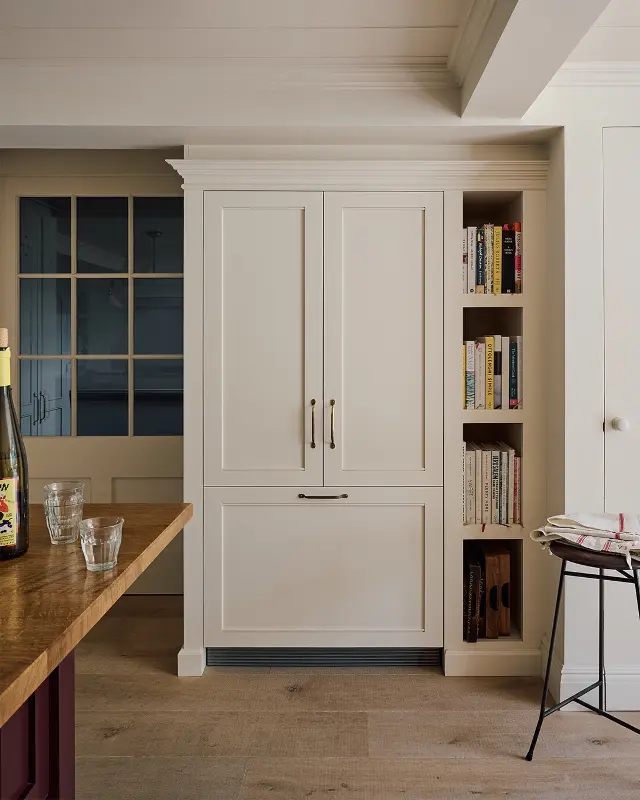
 Kitchen Renovation Advice: Matching Appliances With Your Cabinets
#Appliances
1 ideas
Kitchen Renovation Advice: Matching Appliances With Your Cabinets
Get new #Appliances ideas by email
Every Thursday: the week's best ideas, with the newest from #Appliances.
Related tags
Appliances: A Practical Guide to Choosing and Caring for Them
Appliances are the machines that carry the quiet, repetitive work of a home: keeping food cold, washing clothes and dishes, cooking, heating, cleaning, and moving air. They rarely get noticed when they are working, and they are impossible to ignore when they stop. Understanding what each one does, and what separates a good one from a poor one, makes both buying and living with them considerably easier.
The main kinds
Large appliances, often called white goods, are the ones built into a kitchen or laundry: refrigerators and freezers, ovens and cooktops, dishwashers, washing machines and dryers. They are bought rarely, installed once, and expected to last many years, which is why the decision deserves more thought than it usually gets. Small appliances are the countertop ones: kettles, toasters, mixers, blenders, food processors, coffee makers, irons, vacuum cleaners. They are cheaper, easier to replace, and far easier to buy on impulse.
Beyond these sit the comfort and climate appliances: fans, air conditioners, heaters, dehumidifiers, air purifiers. They tend to be seasonal, and their usefulness depends heavily on the building they sit in.
Read more
What to think about before buying
Start with the space. Measure the opening, the depth and the swing of the doors before anything else, and check that a large item will physically fit through the doorways on the way in. Then think about how you actually live. A household that cooks every day has different needs from one that mostly reheats. A large fridge is a burden in a small kitchen; a fiddly small one is a daily frustration in a busy household.
Energy use matters more than the price tag over the life of a large appliance. Look at the energy label and compare running costs, not just purchase costs. Noise is worth checking too, especially for anything in an open-plan living space or running overnight. And consider repairability: a machine with widely available parts and a straightforward design will serve you longer than a sealed one that must be thrown away when a single component fails.
Keeping them working
Most appliance failures come from neglect rather than age. Clean the filters, coils and seals as the manual directs. Descale kettles and coffee machines regularly if your water is hard. Leave space around fridges and freezers so heat can escape, and don't overfill them. Run a dishwasher's filter under the tap now and then. Wipe spills before they bake on. Keep the manuals, or note the model numbers somewhere you will find them.
Small habits extend life considerably: don't overload the washing machine, don't slam oven doors, and give motors a rest rather than running them continuously for hours. When something does break, a repair is often cheaper and greener than a replacement, particularly for large appliances.
A note on safety
Follow the manufacturer's instructions for installation and use. Anything involving gas, fixed wiring or water connections is best left to a qualified professional. Keep cords away from heat and water, and never run appliances with damaged plugs or cables.
#Appliances: frequently asked questions
How do I start choosing appliances for a new home?
Begin with the rooms and the way you actually live rather than with a wish list of features. Measure the openings, the depth of the units and the door swings first, and check that anything large will physically fit through the doorways on the way in. From there, decide which tasks you do daily and let those guide where you spend the most thought.
What should I check before buying a large appliance?
Look past the purchase price to how the machine will behave over years of use, starting with its energy label and the running costs it implies. Listen to it working if you can, since noise matters in an open-plan room or anything that runs overnight. Also ask whether parts are easy to source and whether the design can be repaired rather than sealed and replaced.
Is it better to repair an appliance or replace it?
For large appliances, a repair is often the cheaper and greener route, especially when the fault is a single worn component in a model with widely available parts. Replacement tends to make more sense when the machine is unreliable in several ways at once or when it has become costly to run. Either way, an honest assessment of its condition beats guessing.
How can I make my appliances last longer?
Most failures come from neglect rather than age, so clean the filters, coils and seals as the manual directs and descale anything that heats water if your supply is hard. Leave room around fridges and freezers for heat to escape, avoid overfilling them, and wipe spills before they bake on. Small habits help too, like not overloading the washing machine and giving motors a rest instead of running them for hours.
What are common mistakes people make with appliances?
Buying on impulse is the usual one, particularly with small countertop items that end up used once and stored away. Another is ignoring the space: a fridge that crowds a small kitchen or a machine that will not fit through the door creates problems no feature list can fix. Skipping the manual and letting filters and seals go uncleaned shortens life more than heavy use does.
What safety rules should I follow with appliances?
Follow the manufacturer's instructions for installation and use, and leave anything involving gas, fixed wiring or plumbing connections to a qualified professional. Keep cords clear of heat and water and stop using any appliance with a damaged plug or cable. Keeping the manuals and model numbers to hand also makes future servicing simpler and safer.
Videos come from YouTube and posts from Instagram; titles and summaries are our own. All rights belong to their creators.