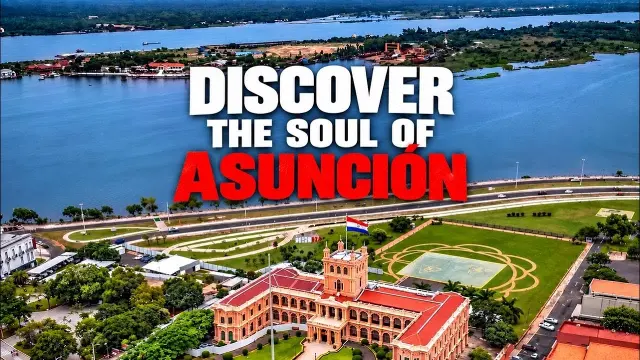
 The Ultimate Asuncion City Guide: History and Culture in Paraguay
#Asuncion
1 ideas
The Ultimate Asuncion City Guide: History and Culture in Paraguay
Get new #Asuncion ideas by email
Every Thursday: the week's best ideas, with the newest from #Asuncion.
Related tags
Asunción, Paraguay: A Guide to the Mother of Cities
Asunción is the capital of Paraguay, a low-rise city set on the eastern bank of the Paraguay River where almost everything that matters in the country happens — government, universities, publishing, music. It is one of the oldest continuously inhabited cities in South America: founded in the sixteenth century, it earned the nickname "Mother of Cities" because expeditions that set out from here went on to establish other settlements across the region. That long history still shows in the layout, a centre of crumbling colonial facades and tiled roofs ringed by greener, newer neighbourhoods.
A bilingual city
What surprises many visitors first is the language. Alongside Spanish, Guaraní is spoken by the great majority of Paraguayans, and in Asunción you hear it in shops, on buses and in jokes told between friends. That duality — Spanish officialdom layered over an indigenous everyday world — shapes the food, the music and the sense of humour more than any monument does. The Paraguayan harp, with its bright, rippling sound, is the emblem you will meet everywhere.
What to see
Read more
The historic centre rewards slow walking rather than ticking off sights. The Palacio de los López, a white neoclassical building overlooking the bay, is the city's postcard image. Nearby you find the Pantheon of the Heroes, the old Cabildo, and plazas where the city feels less like a capital than a large provincial town. Further out, the Botanical Garden and the city's parks offer shade in the heat.
Neighbourhood life is the real attraction. Markets are where to head for produce, herbs and ordinary bustle; the craft stalls are where to look for ñandutí, the delicate spiderweb lace, and ao po'i, the fine embroidered cotton cloth that Paraguayans wear with pride.
Eating and drinking
Paraguayan food is hearty and based on corn, cassava and cheese. Try chipa, the small cheese bread sold at bus stops and street corners; sopa paraguaya, which is a dense savoury cake despite the name; and mbejú, a cassava and cheese flatbread. Tereré — cold mate drunk from a shared gourd with a metal straw — is the city's social ritual. If someone offers you a turn, accept it; passing the cup back with a word of thanks is all the etiquette you need.
Practical notes for a first visit
- The climate is subtropical: summers are hot and humid, winters mild. Plan your walking for the morning.
- The siesta is real. Many small businesses close in the early afternoon and reopen later.
- Traffic in the centre can be dense; taxis and ride-hailing are cheap and often simpler than driving yourself.
- A day trip to the lake town of San Bernardino or the pottery and strawberry town of Areguá makes an easy change of scene.
Asunción rarely tries to impress, and that is exactly its charm. Give it a few unhurried days, learn a greeting in Guaraní, and it will feel familiar quickly.
#Asuncion: frequently asked questions
What is Asunción best known for?
It is the capital of Paraguay and one of South America's oldest continuously inhabited cities, once nicknamed "Mother of Cities" because expeditions left from here to found settlements elsewhere. Visitors usually notice two things first: a low-rise, unhurried historic centre of colonial facades and tiled roofs, and the sound of the Paraguayan harp, the country's musical emblem.
Do I need to speak Spanish to visit Asunción?
Spanish is enough to get by, but Guaraní is spoken by the great majority of Paraguayans and you will hear it in shops, on buses and in everyday jokes. That pairing of official Spanish and everyday indigenous language shapes the food, music and humour more than any monument. Learning a greeting in Guaraní is a small gesture that locals notice and appreciate.
What food and drink should I try first in Asunción?
Start with the street and bus-stop staples: chipa, the small cheese bread, plus sopa paraguaya, a dense savoury cake despite its name, and mbejú, a cassava and cheese flatbread. For the drink, tereré — cold mate sipped from a shared gourd with a metal straw — is the city's social ritual rather than a refreshment. If someone offers you a turn, accept it and pass the cup back with a word of thanks; that is the whole etiquette.
When is the best time of year to visit Asunción?
The climate is subtropical, with hot, humid summers and mild winters, so many travellers prefer the cooler months for long days of walking. Whatever the season, plan your sightseeing for the morning, since the afternoons get heavy and the siesta is genuinely observed — plenty of small businesses shut early and reopen later. Build that rhythm into your day instead of fighting it.
What is a good day trip from Asunción?
Two easy changes of scene are the lake town of San Bernardino and Areguá, known for its pottery and strawberries. Both are close enough to do as a day out without rearranging your whole trip. They suit travellers who have already given the capital a few unhurried days and want a different pace.
What do first-time visitors get wrong about Asunción?
The most common mistake is treating it like a checklist of sights and rushing between them — the historic centre rewards slow walking, and neighbourhood life in the markets and craft stalls is the real attraction. Another is fighting the local rhythm: traffic in the centre can be dense, and taxis or ride-hailing are usually simpler than driving yourself. Expect a large provincial town more than a grand capital, and the city makes sense quickly.
Videos come from YouTube and posts from Instagram; titles and summaries are our own. All rights belong to their creators.