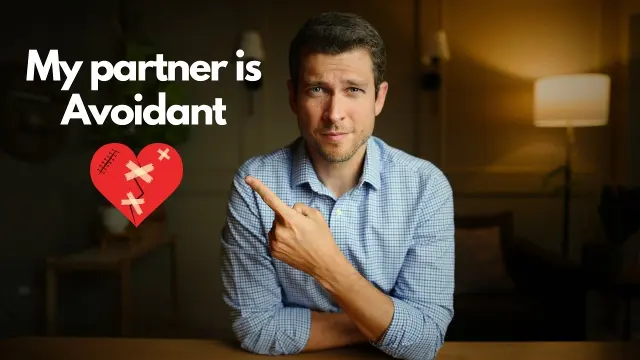
 Navigating Relationships with Avoidant Partners
#Attachment Styles
3 ideas
Navigating Relationships with Avoidant Partners
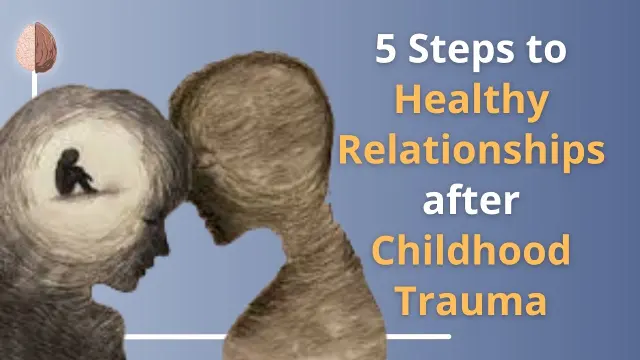 Healing Childhood Trauma to Build Healthy Attachment Relationships
 Understanding Anxious Attachment and Unavailable Partners
Get new #Attachment Styles ideas by email
Every Thursday: the week's best ideas, with the newest from #Attachment Styles.
Related tags
Attachment Styles: How We Bond in Relationships
Attachment styles describe the different ways people tend to form close bonds and handle closeness, trust and distance in relationships. The idea grew out of mid-twentieth-century research into how infants respond to separation from and reunion with their caregivers. Observers noticed that children did not all react the same way: some sought comfort easily, some became intensely distressed, some seemed to withdraw, and some showed a confusing mix of approaching and avoiding. Over time, those patterns were carried into adult life as a way of talking about friendships, partnerships and family ties.
The framework is best understood as a map, not a diagnosis. It describes tendencies, not fixed identities, and most people recognise a little of themselves in more than one pattern.
The four main patterns
- Secure attachment generally involves comfort with closeness and with independence, a willingness to ask for support, and a basic expectation that other people are available.
- Anxious attachment often comes with a strong need for reassurance, close attention to a partner's moods, and fear of being left or overlooked.
- Avoidant attachment tends to show up as discomfort with too much intimacy, a habit of handling difficulties alone, and a need for space when emotions run high.
- Disorganised or fearful-avoidant attachment describes a pull between wanting closeness and fearing it, often expressed as unpredictable push-and-pull.
Read more
Where the patterns come from
Attachment patterns are shaped by early relationships, but also by later ones. A childhood in which feelings were met with warmth and consistency tends to support security. Experiences of unpredictability, criticism, neglect or loss can encourage anxious or avoidant strategies as sensible adaptations at the time. Adult relationships, friendships, therapy and self-reflection can all soften or shift these patterns, which is why they are better thought of as learned habits than as permanent traits.
What helps
The most useful step is noticing your own patterns without judgement. Ask yourself what you do when you feel uncertain in a relationship: do you reach out more, or pull away? What do you assume the other person is thinking?
From there, small practices make a difference:
- Say what you need in plain words rather than hoping it will be guessed.
- Ask for reassurance when you need it instead of testing whether it will be offered.
- Give a partner room to think before responding, and ask for the same in return.
- Notice the difference between a genuine signal of trouble and an old alarm going off.
- Build relationships with people who are steady, honest and willing to talk things through.
Attachment styles are a language for understanding closeness, not a verdict on anyone's capacity for love. Patterns learned over years can change with patience, honesty and relationships that feel safe enough to practise in.
#Attachment Styles: frequently asked questions
How can I figure out my attachment style in a relationship?
Start by noticing what you do when you feel uncertain, hurt, or too close to someone. Some people move toward reassurance, some pull away for space, and some swing between both. It can help to look at your usual reactions across friendships, family, and dating rather than a single moment.
Which attachment style should I choose if I want healthier relationships?
There is no style to pick like a label or a personality type. The most helpful goal is to build more secure habits, such as saying what you need clearly, staying calm enough to listen, and choosing people who are steady and honest.
What helps when I have anxious attachment and my partner seems distant?
It usually helps to name your need directly instead of waiting for the other person to guess it. Try asking for reassurance in a clear, calm way and notice whether the situation is actually unsafe or whether an old fear is being triggered.
How do I handle avoidant attachment without shutting people out?
Give yourself space when emotions run high, but try not to disappear completely. Let the other person know you need a pause, then come back to the conversation when you are ready so closeness does not feel like pressure or control.
What are common mistakes people make when learning about attachment styles?
A common mistake is treating the framework like a diagnosis or a fixed identity. Another is using the labels to excuse behavior instead of noticing patterns, taking responsibility, and practicing new ways of relating.
Videos come from YouTube and posts from Instagram; titles and summaries are our own. All rights belong to their creators.