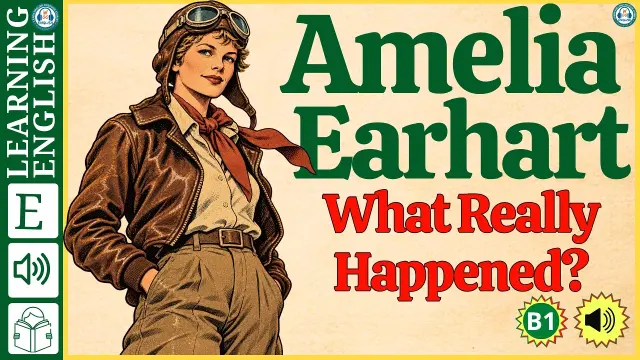
 Amelia Earhart What Really Happened B1 Graded Reader Audiobook
#Audiobook
1 ideas
Amelia Earhart What Really Happened B1 Graded Reader Audiobook
Get new #Audiobook ideas by email
Every Thursday: the week's best ideas, with the newest from #Audiobook.
Related tags
Audiobooks: A Guide to Listening to Books
What an audiobook is
An audiobook is a recorded version of a book that you can listen to instead of reading with your eyes. It may be read by a single narrator, by several voice actors, or by the author themselves. Audiobooks turn stories, memoirs, essays, and even practical books into an audio experience that fits into daily life.
Listening to books is not a new idea. Before printed books became common, stories, poems, and histories were often shared aloud. Audiobooks are a modern form of that old tradition, made possible by recording technology and digital audio. They are used for entertainment, learning, accessibility, and convenience.
Why people listen to audiobooks
Read more
Audiobooks make it easier to enjoy books while doing other things, such as commuting, walking, cooking, or resting your eyes. They can also be helpful if you find reading on a page tiring or if you prefer to take in stories through sound. For many listeners, the narrator’s voice becomes part of the experience, adding mood, pace, and personality.
They are available in many kinds of books, from novels and children’s stories to language-learning material and self-help titles. Some people use audiobooks to revisit favorite books in a new way, while others discover books they might not otherwise have picked up.
Common styles and formats
Audiobooks can vary quite a bit in how they are performed.
- Single-narrator recordings: one voice reads the whole book, which is common for many nonfiction titles and novels.
- Multi-voice productions: different speakers may read different characters or sections.
- Author-narrated recordings: the writer reads their own work, which can add a personal touch.
- Dramatized versions: these may include sound effects, music, and a cast of voices.
You may also notice different pacing and delivery styles. Some narrators speak in a calm, even way, while others use more expression and character voices. The best style often depends on the book and your own listening preference.
What to look for as a beginner
If you are new to audiobooks, start with a book you already know you enjoy. Familiar stories can make it easier to get used to listening instead of reading. It also helps to choose a narrator whose voice feels clear and comfortable to you. A voice that is pleasant but easy to follow is usually more important than a dramatic performance.
Try a shorter book first if you are unsure. That can help you learn your own listening rhythm without pressure. Some people listen best at a slow pace, while others prefer to adjust the speed a little to match their attention.
Practical listening tips
- Use headphones if you want fewer distractions, or speakers if you prefer a relaxed setting.
- Pause when needed. Audiobooks are easy to stop and start again.
- Rewind a little if you miss something; that is completely normal.
- Keep notes if you are listening for study or remember key ideas.
- Match the book to the activity. Light listening works well for busy tasks, while complex books may need more focus.
A flexible way to enjoy books
Audiobooks are a simple, flexible way to bring stories and ideas into everyday life. They can make reading more accessible, help you make use of small pockets of time, and offer a different experience from print. Whether you listen for pleasure, learning, or convenience, the most important thing is choosing books and narrators that keep you engaged.
Videos come from YouTube and posts from Instagram; titles and summaries are our own. All rights belong to their creators.