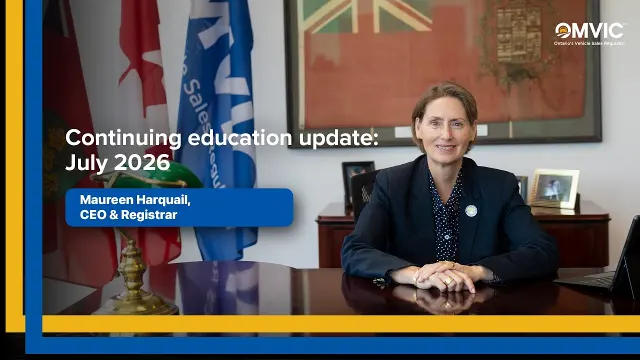
 OMVIC Explains Its New Continuing Education Requirement
#Automotive Dealers
1 ideas
OMVIC Explains Its New Continuing Education Requirement
Get new #Automotive Dealers ideas by email
Every Thursday: the week's best ideas, with the newest from #Automotive Dealers.
Related tags
What Automotive Dealers Do and How to Work With Them
An automotive dealer is a business licensed to buy and sell vehicles to the public. Dealers sit between manufacturers, auctions, leasing companies and private owners on one side, and drivers on the other. They handle the parts most people never see: sourcing stock, inspecting and reconditioning it, arranging finance and insurance paperwork, registering the transfer of ownership, and often servicing the vehicle afterwards.
The main kinds of dealer
- Franchised dealers are authorised by a manufacturer to sell new vehicles under its name. They usually also carry certified used stock, factory parts and warranty service.
- Independent dealers sell used vehicles without a manufacturer franchise. Their stock comes from auctions, trade-ins, ex-lease fleets and private purchases.
- Specialists focus on one niche: commercial vans, classics, performance cars, electric vehicles, or a single import brand.
- Some businesses operate mainly online, with delivery and a short return window instead of a showroom visit.
How the business actually works
Read more
Dealers earn money in more places than the sticker price. A used car is bought, reconditioned and resold at a margin. New cars often sell at thin margins, with profit coming from finance and insurance products, extended warranties, accessories, and the service department. That is why the conversation at the desk often drifts toward add-ons — and why it helps to decide in advance what you want.
If you are buying
Do your homework before you walk in. Know your budget including insurance, tax and registration, not just the monthly payment. Ask for the total cost of the deal in writing, with every fee itemised. Check the vehicle's history and have an independent inspection done where the seller allows it. Read the finance agreement carefully: its length, interest rate, early-repayment terms and what happens if you miss a payment. Deposits and trade-in valuations are negotiable points, so ask how each figure was reached.
If you are selling or trading in
A dealer offers convenience and paperwork handled for you, usually at a lower price than a private sale. Clean the car, gather the service records, and get a couple of valuations before agreeing to anything. Understand whether a trade-in figure is contingent on financing through the dealer.
If you want to work in the trade
Most regions license dealers and often individual sales staff, and require continuing education to keep a licence current. Expect to learn consumer protection law, disclosure obligations, contract rules and advertising standards alongside product knowledge. Reputation carries further than any single sale: repeat customers and referrals are what keep a dealership alive.
Practical habits worth keeping
Get every promise in the contract rather than in conversation. Keep copies of everything. Ask what warranty actually covers and for how long. If you are considering a career in the trade, learn the rules first — the good dealers treat compliance as a selling point, not an obstacle.
#Automotive Dealers: frequently asked questions
What exactly is an automotive dealer, and how is it different from buying from a private owner?
A dealer is a licensed business that buys and sells vehicles to the public, sourcing stock from manufacturers, auctions, leasing companies and trade-ins. Unlike a private sale, the dealer handles reconditioning, the paperwork for transferring ownership, and often finance and aftercare. That convenience is what you are paying for in the transaction.
What kinds of dealerships are there, and which one suits my situation?
Franchised dealers are authorised by a manufacturer to sell new vehicles and usually back that with certified used stock, factory parts and warranty service. Independent dealers sell used vehicles without that franchise, while specialists concentrate on one niche such as commercial vans, classics or electric vehicles. Some businesses now operate mainly online, with delivery and a short return window instead of a showroom visit, which suits buyers who dislike the desk conversation.
How should I prepare before walking into a dealership?
Work out your true budget rather than the monthly figure, and decide in advance which extras you actually want, because the conversation often drifts toward add-ons at the desk. Ask for the total cost of the deal in writing with every fee itemised, and check the vehicle's history or arrange an independent inspection where the seller permits it. Read the finance agreement closely, including its length, the interest applied, early-repayment terms and what happens if a payment is missed.
Why do dealers make money on things other than the vehicle itself?
New vehicles often sell on thin margins, so profit tends to come from finance and insurance products, extended warranties, accessories and the service department. Used stock is different — the dealer buys, reconditions and resells at a margin, which is why condition and history matter so much on that side. Knowing where the money is made helps you tell a fair deal from one padded with extras you never asked for.
What should I do to get a better outcome when selling or trading in my car?
Clean the vehicle, gather the service records and collect more than one valuation before agreeing to anything. A dealer offers convenience and handled paperwork, typically at a lower figure than a private sale, so weigh that against the effort you would save. Ask plainly whether a trade-in figure depends on arranging finance through the dealer, since that changes what the offer is really worth.
What is involved in working in the trade, and what do dealers have to comply with?
Most regions license dealers and often individual sales staff, and require continuing education to keep a licence current. Expect to learn consumer protection law, disclosure obligations, contract rules and advertising standards alongside product knowledge. Reputation carries further than any single sale, so good dealers treat compliance as a selling point rather than an obstacle.
Videos come from YouTube and posts from Instagram; titles and summaries are our own. All rights belong to their creators.