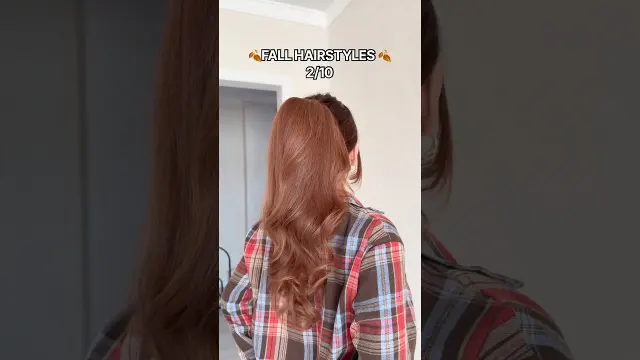
 Fall Hairstyle Inspiration for Seasonal Autumn Looks
#Autumn Hair
1 ideas
Fall Hairstyle Inspiration for Seasonal Autumn Looks
Get new #Autumn Hair ideas by email
Every Thursday: the week's best ideas, with the newest from #Autumn Hair.
Related tags
Autumn Hair: Seasonal Care, Colour and Styles
Autumn hair is the loose name for everything people do with their hair as summer gives way to cooler, darker days — the colours they choose, the shapes they cut, and the way they care for it once the air turns dry and the wind picks up. It is not a single style but a mood: warmth, softness, a little more depth and texture. If you are thinking about a change for the colder months, it helps to understand both halves of the idea, the practical and the visual.
Why hair feels different when the air cools
Warm air holds moisture; cool air and indoor heating do not. Many people notice their hair becoming drier, lighter, more static or more prone to frizz once the heating goes on. Curls may lose definition, fine hair may fly away, and coarse hair can feel rougher at the ends. None of this is cause for alarm, but it is a reason to shift your routine slightly: wash a little less often if you can, keep conditioner on the mid-lengths and ends rather than the scalp, and add a richer mask now and then in place of a light one.
Warm colour, deeper tones
Read more
The most recognisable autumn hair idea is warmth in the colour: chestnut, copper, caramel, deep auburn, chocolate, honey-brown. These shades echo the light of the season and tend to flatter skin with golden or neutral undertones, while cooler complexions often suit deeper, less orange versions of the same families. Rather than a full transformation, consider a gloss, a soft face-framing highlight, or a shade only one or two steps away from your natural colour — easier to maintain and gentler on the hair. Look at a swatch in daylight before committing, and remember that warm reds fade faster than browns.
Shapes that cope with scarves and wind
Autumn clothes mean collars, hoods and wool. A blunt bob or a length that clears the shoulders rubs less against fabric; long layers gather neatly into low buns and braids; a fringe frames the face when hats are on. Loose waves, whether natural or set on a cool setting, give hair body without much effort. If you use heat, use it sparingly and with protection, and let hair dry naturally whenever there is time.
Small habits that make a difference
Trim the ends every few weeks if they split, dry hair gently with a soft cotton cloth instead of a rough towel, and loosen tight styles before bed. A smooth pillowcase reduces friction, and a silk or satin lining inside a wool hat keeps it from catching on strands. Wind and rain are harder on hair than cold alone, so a loose braid on rough days is a kindness.
Where to start
Change one thing at a time. Bring pictures rather than descriptions, be honest about how much upkeep you want, and ask for a shade that will still look right as it grows out. Autumn hair is at its best when it looks like yours, only warmer.
#Autumn Hair: frequently asked questions
How do I choose an autumn hair colour that suits me?
Warm and golden or neutral undertones usually carry chestnut, caramel and honey-brown well, while cooler complexions tend to look better in deeper, less orange versions of those same families. Check a swatch in daylight rather than under salon lighting before you commit. A gloss or a soft face-framing highlight is a gentler route than a full transformation, and warm reds will fade faster than browns, so plan for that.
Which hairstyles actually work with autumn clothes and weather?
Anything that stays clear of your collar helps — a blunt bob or a shoulder-skimming length rubs less against wool, hoods and scarves. Long layers gather neatly into low buns and braids, and a fringe keeps the face framed when a hat is on. Loose waves, natural or set on a cool setting, add body with very little effort.
How should I change my routine when the air turns cold and dry?
Wash a little less often, keep conditioner on the mid-lengths and ends instead of the scalp, and use a richer mask now and then in place of a light one. Dry hair by pressing it gently in a soft cotton cloth rather than scrubbing with a towel. Loosening tight styles before bed and sleeping on a smooth pillowcase cut down on friction and breakage.
What are the common mistakes people make with autumn hair?
The usual one is changing everything at once — colour, length and shape together — which is hard to live with and harder to undo. Choosing a shade without seeing it in daylight, or picking something that needs far more upkeep than you want, runs a close second. Change one thing at a time and ask for a colour that will still look right as it grows out.
I want an autumn hair look for an occasion — where do I start?
Bring pictures rather than descriptions, because they show the texture and depth you actually mean. A warm gloss or subtle highlight paired with loose waves reads polished without needing a total change. Tell your stylist honestly how much time you'll spend on it, so the look still works on an ordinary morning.
How do I look after my hair between salon visits?
Trim the ends when they start to split, and use heat sparingly and with protection, letting hair dry naturally whenever there's time. Line a wool hat with silk or satin so it doesn't catch on strands, and tie hair in a loose braid on windy, wet days. Rain and wind do more damage than cold on its own.
Videos come from YouTube and posts from Instagram; titles and summaries are our own. All rights belong to their creators.