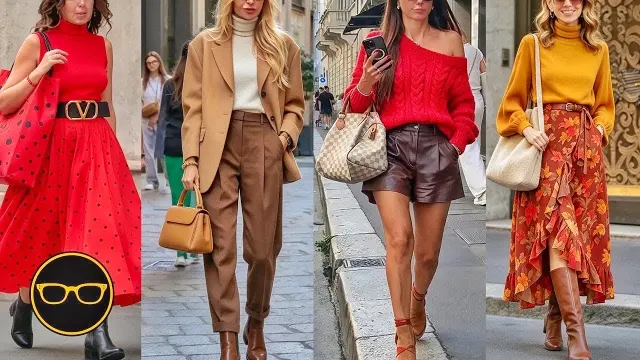
 Italian Beauty and Autumn Street Fashion in Milan
#Autumn Layers
1 ideas
Italian Beauty and Autumn Street Fashion in Milan
Get new #Autumn Layers ideas by email
Every Thursday: the week's best ideas, with the newest from #Autumn Layers.
Related tags
Autumn Layers Guide
What autumn layering means
Autumn layering is the practice of wearing several light or medium-weight pieces together so you can adjust to changing temperatures. It is one of the most practical ways to dress in cooler weather, because mornings, afternoons, and evenings often feel very different. Good layering keeps you comfortable without needing one heavy outfit all day.
The idea is simple: start with a base layer close to the body, add a middle layer for warmth, and finish with an outer layer that protects against wind or rain. The beauty of layering is that it also gives you more styling options. A plain outfit can look more polished, relaxed, or cosy depending on what you put on top.
Common layers and fabrics
Read more
The best autumn layers usually combine comfort with structure. Lightweight cotton, fine knitwear, wool blends, denim, corduroy, and soft jersey all work well because they add warmth without feeling bulky.
Typical layers include:
- T-shirts and long-sleeve tops for the base
- Shirts and blouses for a neat middle layer
- Cardigans, jumpers, and knitted vests for warmth
- Jackets, trench coats, and lightweight coats for the outer layer
- Scarves for extra comfort and flexibility
Natural fabrics are often a good choice because they tend to feel breathable and pleasant against the skin. If you prefer synthetic materials, look for pieces that still allow movement and do not feel too stiff.
How to build a balanced outfit
When layering, think about proportion. If one item is oversized, the other pieces can be more fitted to keep the outfit looking intentional. For example, a loose cardigan can work well over a slim top and straight trousers. A tailored jacket can sit neatly over a soft knit dress or shirt.
Colour also matters. Layering looks especially easy when you use a simple palette of neutrals, earth tones, or muted colours. That does not mean your outfit must be plain; one patterned scarf, textured knit, or deeper accent shade can make the whole look feel finished.
Practical tips for everyday wear
Begin with thin layers rather than heavy ones. This makes it easier to remove or add pieces as the day changes. Try to keep the closest layer smooth and comfortable so the outer pieces sit well.
A few useful tips:
- Choose fabrics that work well together in weight and texture
- Make sure sleeves and hems are not all the same length
- Use layers to shape the outfit, not just to add bulk
- Keep shoes and outerwear in mind, since they affect the overall balance
- Test the outfit by moving around, sitting, and raising your arms
A timeless approach
Autumn layering is not about following a fixed formula. It is about learning how clothes work together so you can stay warm and feel put together at the same time. Once you understand the basics, you can mix familiar pieces in new ways and build outfits that suit your own style.
If you are new to layering, start with simple combinations and pay attention to comfort first. Over time, you will notice which shapes, fabrics, and colours feel easiest to wear. That is usually the best guide to creating autumn outfits that look natural and last well beyond one season.
Videos come from YouTube and posts from Instagram; titles and summaries are our own. All rights belong to their creators.