 Milan Street Style with Elegant Autumn Outfits
#Autumn Outfits
6 ideas
Milan Street Style with Elegant Autumn Outfits
 Milan Autumn Street Style and Luxury Fashion Trends
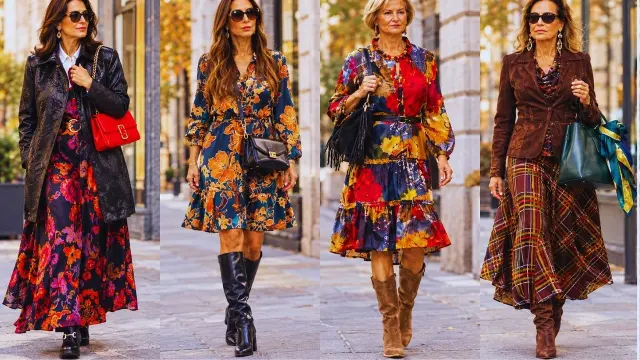 October Milan Street Style Featuring Elegant Italian Outfits
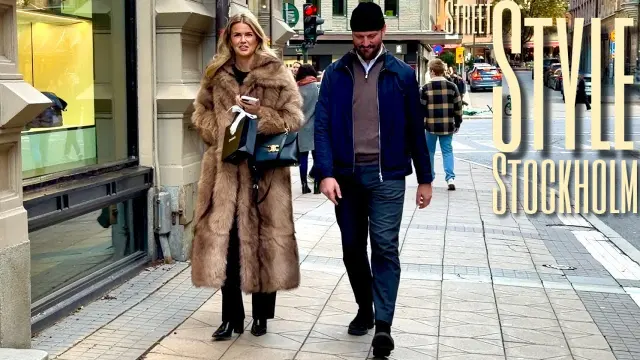 Beautiful Scandinavian Autumn Fashion in Stockholm
 Milan True Street Fashion and Chic Autumn Outfits
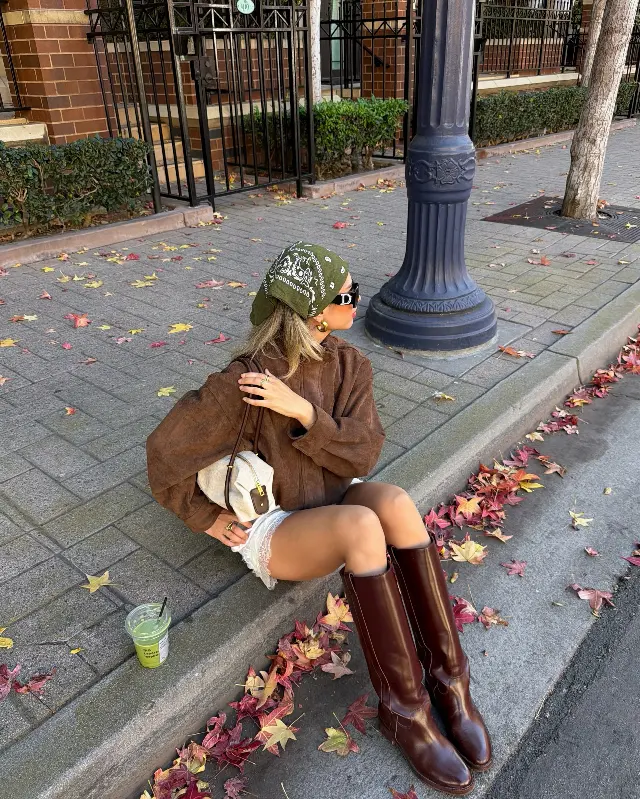 Seasonal autumn dressing and transitional layers
Get new #Autumn Outfits ideas by email
Every Thursday: the week's best ideas, with the newest from #Autumn Outfits.
Related tags
Autumn Outfits: Layering, Style, and Comfort
Autumn outfits are all about dressing for changeable weather while still feeling put together. As the air turns cooler, clothing becomes more about layering, texture, and balance. The aim is simple: stay comfortable through shifting temperatures and build outfits that work for everyday life, from work and errands to weekends and evenings out.
What autumn dressing means
Autumn style usually brings together lighter summer pieces and warmer winter staples. Instead of relying on one heavy layer, you can combine several thinner ones. This makes it easier to adapt during the day, especially when mornings are chilly, afternoons are mild, and evenings feel cold again.
The season also invites richer fabrics and deeper colours. Think knits, wool, denim, corduroy, leather, and sturdy cotton. Natural tones such as brown, olive, beige, grey, navy, and burgundy often feel especially at home in autumn, but there is no rule that says you must avoid brighter shades.
Read more
Common pieces that work well
A good autumn wardrobe usually starts with versatile basics:
- A light jacket or coat for layering
- Knitwear such as cardigans, sweaters, and fine knits
- Jeans, tailored trousers, or midi skirts
- Boots or closed shoes that handle cooler weather
- Scarves and other small accessories for extra warmth
These pieces can be mixed in many ways, so you do not need a large wardrobe to make a lot of outfits. A simple dress can become autumn-ready with tights, boots, and a cardigan. Jeans and a T-shirt can feel more seasonal with a blazer or a chunky sweater on top.
How to layer well
Layering is the heart of autumn dressing. Start with a comfortable base layer, then add warmth in stages. A fitted top, shirt, or thin knit can sit under a cardigan, blazer, or jacket. If you expect temperature changes, choose pieces that are easy to remove and carry.
It helps to think about shape as well as warmth. If one layer is loose and soft, another can be more structured to keep the outfit balanced. For example, a roomy sweater often looks best with straight-leg trousers or a slimmer skirt, while a long coat can work beautifully over simpler clothes underneath.
Fabrics, textures, and fit
Autumn outfits often look more interesting when you combine different textures. Soft knitwear, smooth denim, matte cotton, and heavier outerwear can create depth without much effort. Fit matters too: if everything is oversized, the outfit may lose definition; if everything is too tight, it may feel restrictive. A balanced mix usually looks more natural.
Practical tips for beginners
- Build outfits around a few pieces you can wear often
- Choose shoes that are comfortable for damp or cooler conditions
- Keep one extra layer with you when the weather changes
- Pick colours that work well together so dressing feels easier
- Focus on comfort first, then add style through texture and accessories
Autumn outfits do not need to be complicated. When you understand layering, fabric, and proportion, you can create looks that feel warm, practical, and quietly elegant throughout the season.
Videos come from YouTube and posts from Instagram; titles and summaries are our own. All rights belong to their creators.