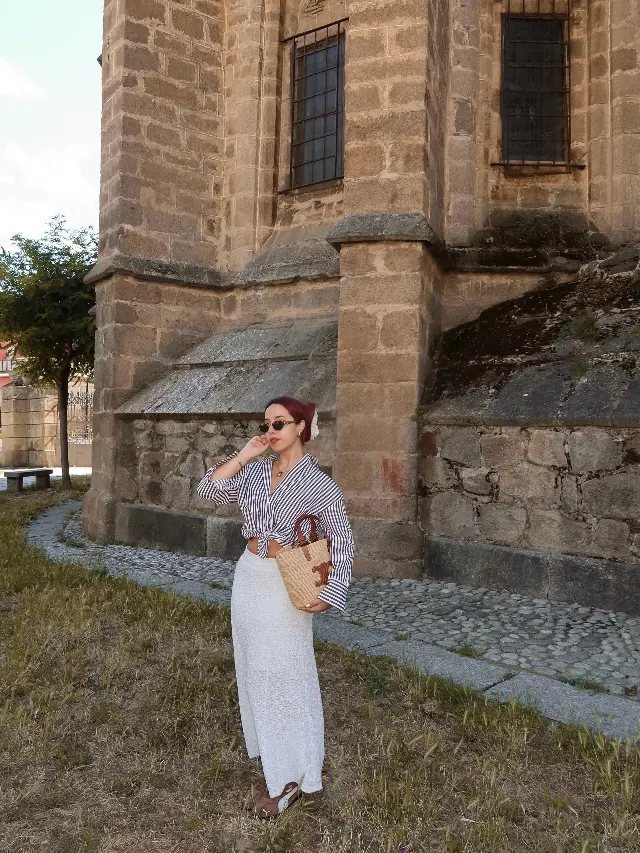
 Enjoying sunny autumn days in El Barco de Ávila
#Autumn Scenery
2 ideas
Enjoying sunny autumn days in El Barco de Ávila
Get new #Autumn Scenery ideas by email
Every Thursday: the week's best ideas, with the newest from #Autumn Scenery.
Related tags
Autumn Scenery: A Guide to the Colours of the Season
Autumn scenery is the visual character a landscape takes on as the growing season ends and the year turns toward winter. It is most often associated with the changing of leaves, but colour is only part of it: the season also brings a lower sun, longer shadows, misty mornings, harvested fields and a particular quality of light that photographers spend all year waiting for.
Why the leaves change
Deciduous trees keep their leaves through spring and summer with the help of chlorophyll, the pigment that makes them green and lets them turn sunlight into food. As days shorten and temperatures fall, that process slows and the chlorophyll fades, letting other pigments that were there all along become visible. Carotenoids show as yellows and oranges; anthocyanins, which form in some species as sugars accumulate, bring the reds and purples. The exact timing and intensity depend on the species, the weather and the soil, which is why no two autumns look quite the same.
What autumn scenery looks like
Read more
The season is generous with subjects. Woodlands turn gradually from the top down and from the edges inward, so a single hillside can hold several weeks of colour at once. Open landscapes offer stubble fields, hedgerows heavy with berries, and orchards being picked. Water doubles everything: a still lake or a slow river turns a row of birches into two. Then there is the light, which arrives at a slant, warmer and softer than in summer, and the low mist that settles in valleys on cool mornings and lifts slowly.
Making the most of it
If you want to record what you see, a few habits help.
- Go early or late. The hour after sunrise and the hour before sunset give the warmest light and the longest shadows.
- Look for contrast. A single red tree against dark conifers, or bright leaves against a grey sky, reads more strongly than a wall of colour.
- Get close. Fallen leaves, bark, moss and berries make compositions of their own when the wide view feels busy.
- Include a sense of scale. A path, a fence line or a figure in the distance tells the eye how large the scene really is.
- Wait for weather. Rain, fog and wind all change the mood, and the day after a storm often clears the air beautifully.
- Put the camera down sometimes. The season is short and much of it is best simply walked through.
A note for beginners
You do not need special equipment. A phone, a pair of boots and a little patience will take you a long way, and the best scenes are often a few minutes from home rather than at the end of a long journey. Dress for colder ground than the forecast suggests, carry something waterproof, and be mindful of where you walk: leaf litter is slippery, and woodland wildlife is preparing for winter.
Autumn rewards attention more than planning. Watch a familiar route over several weeks and you will see it change almost daily, then settle into bare branches and quiet, and begin again.
#Autumn Scenery: frequently asked questions
How do I start enjoying autumn scenery if I've never really paid attention to it before?
Start with a route you already walk — a park, a lane, a riverside path — and visit it regularly rather than travelling far in search of a perfect view. Because leaves turn gradually and at different rates, a familiar place shows you the season changing almost day by day. A phone and a pair of boots are enough to begin with.
Do I need special equipment to photograph autumn scenery?
No. A phone camera handles most autumn subjects well, especially in the soft, slanted light of early morning and late afternoon. What matters far more is timing and patience: returning to the same spot, waiting for mist or a break in the weather, and getting close to fallen leaves or berries when the wide view feels cluttered.
Why do some trees turn red while others go yellow or orange?
Leaves stay green through summer because chlorophyll masks the other pigments present in them. As daylight shortens and temperatures drop, chlorophyll fades and the yellows and oranges underneath become visible, while reds and purples come from pigments that form in some species as sugars build up. Species, weather and soil all affect how intense and how early the display is.
How can I capture the mood of autumn rather than just a wall of colour?
Look for contrast and structure — a single bright tree against dark conifers, leaves against a grey sky, or an interesting shape in bark and moss. Including a path, fence line or distant figure gives the scene scale so the eye can read it. Weather is your ally: fog, rain and wind change the atmosphere completely, and the air often clears beautifully after a storm.
What are common mistakes people make when out enjoying autumn scenery?
Underdressing is the usual one — the ground is colder than a forecast suggests, so warm layers and something waterproof make a real difference. People also rush from one famous spot to another instead of watching one place unfold, and forget that wet leaf litter is slippery underfoot. Remember too that wildlife is preparing for winter, so keep to paths and give animals room.
What kind of autumn outing works well for a family or a group of friends?
A slow walk somewhere nearby, with time to collect leaves, watch the mist lift and stop for something warm to eat, suits mixed ages better than a long drive to a single viewpoint. Woodlands, orchards being picked and quiet lakesides all offer plenty to look at without needing to be anywhere on a schedule. Some people enjoy compiling the day into a short video afterwards, which is a nice way to keep the mood of the season.
Videos come from YouTube and posts from Instagram; titles and summaries are our own. All rights belong to their creators.