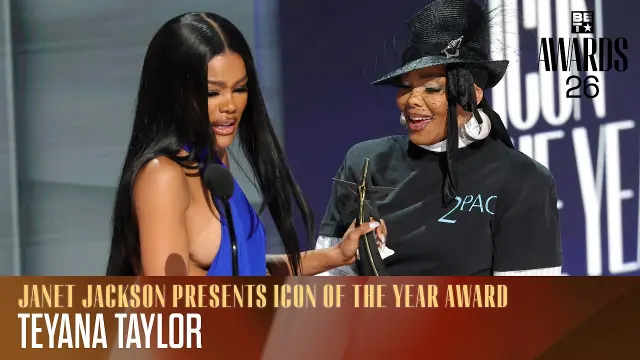
 Janet Jackson Presents Icon Award to Teyana Taylor at BET Awards
#Awards
1 ideas
Janet Jackson Presents Icon Award to Teyana Taylor at BET Awards
Get new #Awards ideas by email
Every Thursday: the week's best ideas, with the newest from #Awards.
Related tags
Awards: How Ceremonies, Trophies and Recognition Work
An award is a public mark of recognition: a way for a group of people to say that a particular piece of work, effort or contribution stood out. Awards exist because quality is easier to agree on when someone names it out loud. They give a community a shared story about what it values, and they give the person receiving one a moment that is remembered long after the work itself.
The idea is old. Craft guilds marked mastery with titles and symbols, courts honoured service with medals, and fairs and exhibitions gave prizes for everything from livestock to machinery. Modern award ceremonies grew out of that habit as industries and professions organised themselves and needed a way to distinguish good work from the rest. The form we recognise today — nominations, a shortlist, a jury or a vote, an evening of speeches — is simply the machinery that makes the recognition feel fair.
The main kinds
Awards differ mostly in who decides. Peer awards are judged by people who do the same work; industry awards by organisations representing a sector; public awards by open voting, which rewards popularity as much as craft; and honorary awards, given for a body of work or a lifetime, which are decided by committee and rarely open to entry.
Read more
There are also civic and service awards, academic prizes, and the everyday awards people make for each other — team trophies, school prizes, family rituals of recognising small achievements. These matter more than they look. Being seen by the people close to you carries a different weight from being seen by strangers.
What goes into an entry
If you are submitting work for an award, read the criteria properly before you write a word. Judges read many entries quickly, so open with what the work actually did and why it mattered, not with backstory. Show evidence where you can — outcomes, responses, the reasoning behind a decision. Follow the format exactly; a brilliant entry that ignores the brief is easy to set aside. And keep a record of your submissions: the same material, rewritten for a different audience, often serves you again.
If you are judging, be generous and specific. A short written reason for your decision is worth more to an entrant than the verdict alone.
Hosting your own
You do not need a stage. A small ceremony — a dinner, a workshop, the last hour of a conference — works if three things are in place: a clear reason for each award, a short citation that names what the person did, and something to hand over. A printed certificate, a small object, a handwritten note: the physical token is what people keep. Keep speeches brief, let the citations do the meaning-making, and photograph the moment.
A word on perspective
Awards are a snapshot of one panel's opinion on one day, not a measure of your worth. Enter the ones that fit your work, celebrate properly when you win, and be genuinely glad for others when you do not. The work is the thing; the trophy is a nice reminder that someone noticed.
#Awards: frequently asked questions
How do I start working toward an award for my craft or project?
Begin with the work itself and the people who already understand it — a guild, a professional group, a local circle of makers. Look at which awards those groups give out and read their criteria before you make anything specifically for them, because the awards that fit your work are easier to enter well than the ones you chase. Keep notes as you go, so that when an entry period opens you already have the evidence and outcomes written down.
What does a strong award entry actually need?
It needs a clear opening that states what the work did and why it mattered, rather than a long warm-up about how you got there. Back it with proof — outcomes, responses, the reasoning behind a choice — and follow the requested format exactly, since judges move through many submissions quickly. A well-made entry that ignores the brief is easy to set aside, while a plain one that answers the brief stays in the conversation.
Which kind of award should I aim for?
It depends on who you want to be seen by. Peer awards, judged by people doing the same work, carry weight with fellow craftspeople; industry and public awards bring wider visibility, though open voting tends to reward popularity as much as craft; honorary awards recognise a whole body of work and are rarely open to entry. Choose the one whose judges understand what you are trying to do.
Can I host a small award ceremony without a big budget or a stage?
Yes — a dinner, a workshop, or the closing hour of a gathering is enough if you have a clear reason for each award, a short citation naming what the person did, and something to hand over. The token matters more than the venue: a printed certificate, a small object, or a handwritten note is what people keep. Keep speeches brief, let the citations carry the meaning, and take photographs.
What are the most common mistakes people make with awards?
Ignoring the criteria, burying the achievement under backstory, and treating a single panel's decision as a verdict on their worth. Another common slip is failing to keep copies of submissions — the same material, reworked for a different audience, often serves again later. Read the brief, lead with the result, and remember the work is the thing and the trophy is a reminder that someone noticed.
How should I handle winning or not winning?
Celebrate properly when you win, and be genuinely glad for others when you do not. An award reflects one group's opinion on one day rather than a measure of your ability, so treat it as useful recognition and a moment worth remembering, then get back to making things.
Videos come from YouTube and posts from Instagram; titles and summaries are our own. All rights belong to their creators.