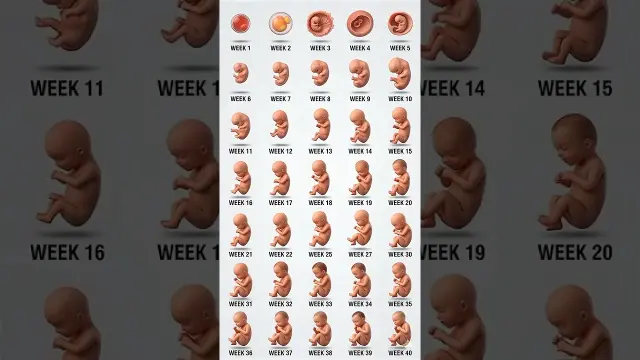
 Week-by-Week Baby Developmental Stages from Week 1 to 40
#Baby Development
8 ideas
Week-by-Week Baby Developmental Stages from Week 1 to 40
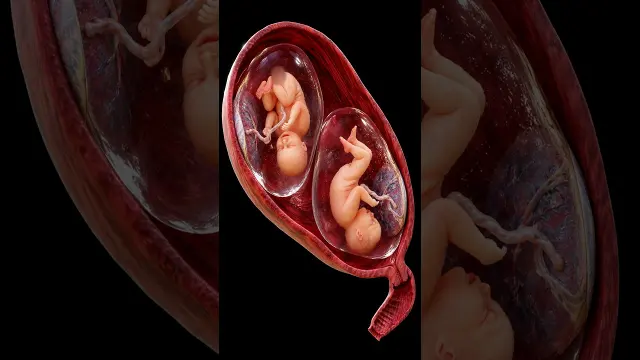 Anatomical 3D View of Twins Developing Inside the Womb
 The First Two Weeks of Pregnancy and Early Embryo Development
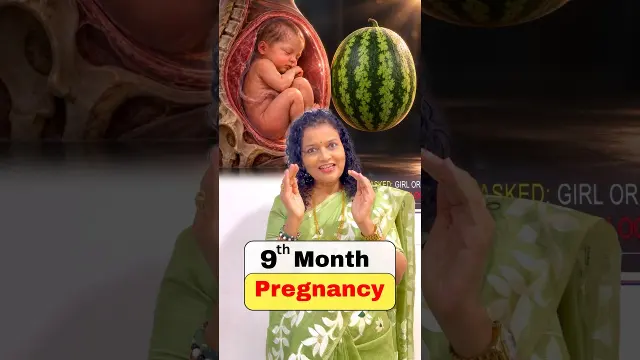 What to Expect During the Ninth Month of Pregnancy
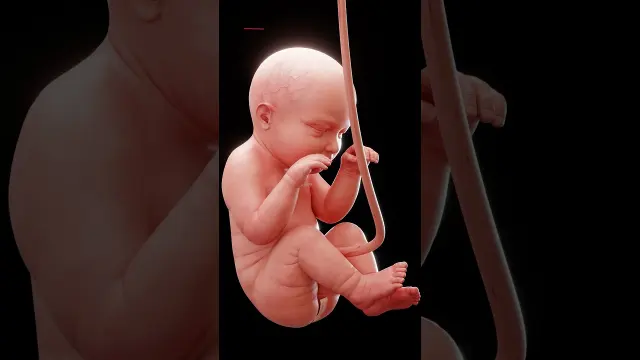 Visualizing Nine Months of Human Prenatal Development
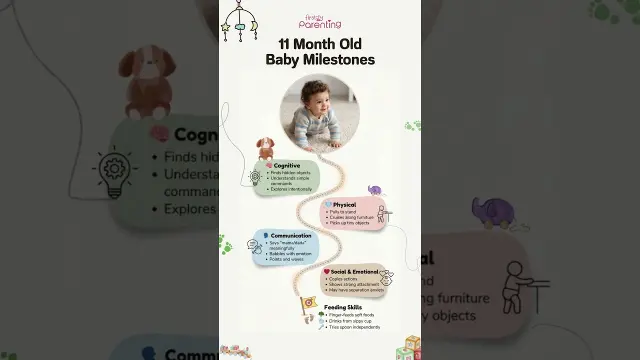 Important 11 Month Old Baby Milestones and Growth Skills
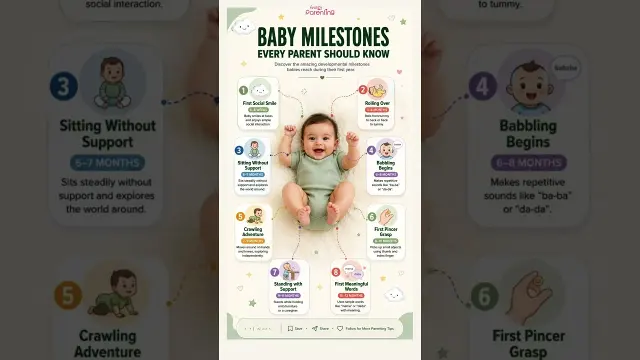 8 Key Baby Milestones Every Parent Should Know in the First Year
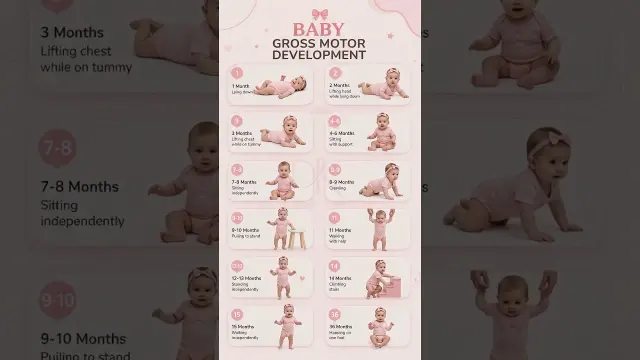 Baby Gross Motor Development Milestones and Growth Tracking
Get new #Baby Development ideas by email
Every Thursday: the week's best ideas, with the newest from #Baby Development.
Related tags
Baby Development Milestones and Everyday Growth
What baby development means
Baby development is the steady process by which a baby grows and learns in the first months and years of life. It includes physical growth, movement, language, social interaction, thinking, feeding, and sleeping patterns. Every baby develops in their own way, so milestones are best understood as a general guide rather than a strict schedule.
In the earliest stage of life, babies are building the foundations for movement, communication, and relationship skills. They learn through touch, sound, sight, repetition, and close contact with the people around them. Simple daily care, feeding, talking, and play all support this growth.
Main areas of development
Read more
Baby development is often described in several connected areas:
- Gross motor skills: large movements such as lifting the head, rolling, sitting, crawling, and eventually standing and walking
- Fine motor skills: smaller hand and finger movements such as reaching, grasping, passing objects, and bringing things to the mouth
- Language and communication: listening, cooing, babbling, gestures, and later using words
- Social and emotional development: smiling, bonding, responding to faces, and showing comfort or distress
- Cognitive development: attention, memory, curiosity, problem-solving, and learning cause and effect
These areas develop together. For example, when a baby reaches for a toy, they may be using vision, movement, hand control, and curiosity at the same time.
How babies usually learn
Babies learn through repetition and connection. They become familiar with voices, routines, faces, and gentle interaction. Talking to your baby, making eye contact, singing, and responding to their sounds all help them understand communication long before they use words.
Tummy time, supervised and while awake, is also important for many babies because it helps them practice lifting their head and strengthening muscles needed for later movement. Soft floor play, simple toys, and time to move freely can encourage exploration.
Milestones and variation
Milestones are useful markers, but they do not happen at exactly the same time for every child. Some babies focus first on movement, while others spend more time on social or language skills. Short periods of uneven development are normal.
It can help to think of milestones as broad patterns:
- Head control comes before sitting
- Sitting comes before crawling for many babies, though not all
- Babbling often grows before clear words
- Simple gestures often appear before more complex speech
If you have concerns about your baby’s development, speak with a qualified health professional for guidance.
Ways to support healthy development
You do not need special equipment to support your baby. Consistent, simple care is often most helpful.
- Talk, sing, and read aloud every day
- Offer safe time on the floor to move and explore
- Let your baby look at faces and follow objects with their eyes
- Give age-appropriate toys that are easy to hold
- Keep routines calm and predictable
- Respond warmly to crying, smiling, and sounds
What to keep in mind
A baby’s development is shaped by both growth and environment. Nutrition, sleep, comfort, movement, and loving interaction all matter. Progress may come quickly in one area and more slowly in another, and that can be completely normal.
The most important thing is to notice your baby, enjoy the small changes, and give them time, space, and support to grow at their own pace.
Videos come from YouTube and posts from Instagram; titles and summaries are our own. All rights belong to their creators.