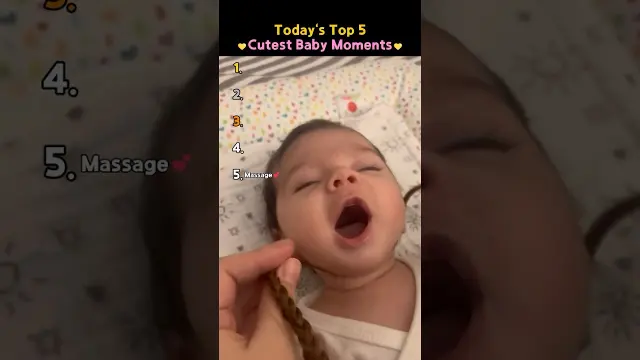
 Cute baby reaction that made mom laugh
#Baby Reaction
2 ideas
Cute baby reaction that made mom laugh
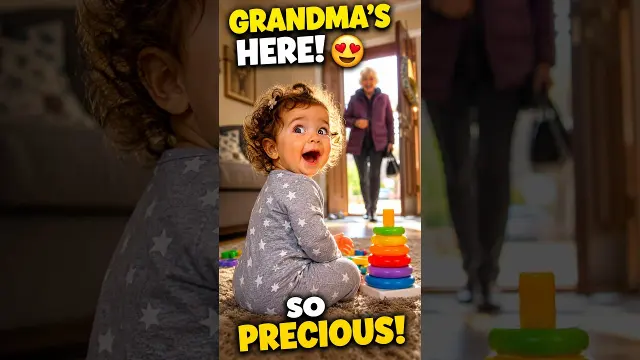 Precious baby reaction to a surprise visit from grandma
Get new #Baby Reaction ideas by email
Every Thursday: the week's best ideas, with the newest from #Baby Reaction.
Related tags
Baby Reactions: Little Moments That Say So Much
A baby's face is one of the most expressive things in the world. In a single minute it can move from wide-eyed wonder to a crumpled pout to a grin that seems to take up the whole head. That flicker of feeling, caught before it is smoothed over into words, is what people mean when they talk about baby reactions: the raw, unedited responses a small child gives to the world.
Why reactions matter
Long before a baby can speak, their reactions are their language. They are also a window into development. Looking, startling, turning toward a voice, smiling back at a familiar face, copying a sound: these are the small signs that a baby is taking in the world and beginning to make sense of it. Parents often notice that a reaction is not just a mood but a piece of understanding, the moment a baby recognizes a grandparent's voice or works out that a spoon disappears into a mouth.
The everyday kinds
Read more
Most of the reactions people love to capture are ordinary ones.
- The startle: a sudden widening of the eyes and a small jump at a door closing or a sneeze.
- The slow smile: the first social smiles, which appear in response to a face or a voice rather than to comfort alone.
- The surprise face: eyebrows up, mouth open, when something unexpected appears.
- The belly laugh: that full, helpless giggle that arrives once babies find something genuinely funny, often something silly an adult does.
- The serious stare: deep concentration while studying a new object, a pet, or a stranger's hat.
- The lip wobble: the first sign that a feeling is building, usually shortly before tears.
Each one has its own charm, and each tends to shift as a baby grows, becoming more deliberate and more tied to what they understand.
Catching them without spoiling them
The instinct to photograph every expression is understandable, but the best reactions rarely survive a camera being raised. A few gentle habits help.
Stay close and let the moment happen rather than arranging it. Keep your own face free and responsive, since babies read expressions constantly and often mirror what they see. Try a familiar game such as peekaboo, which works precisely because surprise and safety arrive together. Narrate what you notice out loud, so a baby hears feeling put into words. And once in a while, put the phone down and simply watch, because memory does a surprising amount of the work.
A note on comparing
Every baby has their own temperament. Some react loudly and instantly; others take a long look before deciding. Slower to react does not mean less aware, and quick to smile does not mean always content. What matters is the pattern you know from your own child, and whether the range of reactions they show feels like them. If something ever seems off, a health professional is the right person to ask, and the question is always worth asking.
These reactions are short-lived. The startle fades, the stare becomes a question, the babble becomes a word. Enjoy them while they are still wordless.
#Baby Reaction: frequently asked questions
What exactly is a baby reaction?
It is the immediate, unedited response a baby gives to something in their world — a sound, a face, a new object — before they have words to describe what they feel. The flicker of an expression is both a mood and a small piece of understanding, which is why people find it so magnetic to watch and to capture.
How do I get a baby to react for a photo or a video?
The reliable trick is to stop arranging and start interacting: put your own face close, keep it responsive, and let something surprise them naturally. Familiar games like peekaboo work because surprise and safety arrive at the same moment. Raising a camera too early usually flattens the moment, so keep it down until the expression has already started.
Which kinds of reactions are worth looking out for?
The everyday ones tend to be the most charming: the startle at a door, the slow social smile, the open-mouthed surprise face, the helpless belly laugh, the intense stare at something new, and the lip wobble that signals a feeling building. Each shifts as a baby grows, gradually becoming more deliberate and more tied to what they actually understand.
Do I need special equipment to capture baby reactions?
No — the light you already have and a phone within reach are enough, and being close matters more than any gear. What makes a reaction worth keeping is the feeling in it, not its sharpness. Plenty of parents find that simply watching and remembering does as much work as recording.
Is it a problem if my baby reacts less than other babies?
Babies differ in temperament: some respond loudly and instantly, others study a situation before deciding. A slower reaction does not mean less awareness, and a quick smile does not mean constant contentment. What is useful is the pattern you know from your own child and whether the range of reactions still feels like them; if something seems off, a health professional is the right person to raise it with.
What are common mistakes when trying to catch a reaction?
Looming with a camera, staging a moment that was already happening, and keeping a blank face while filming are the usual culprits — babies read expressions constantly and mirror what they see. Another is comparing your child's responses to someone else's highlight reel. Stay close, narrate what you notice out loud, and put the phone down sometimes.
Videos come from YouTube and posts from Instagram; titles and summaries are our own. All rights belong to their creators.