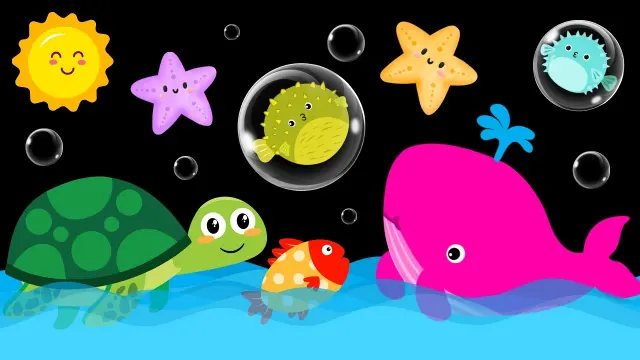
 High Contrast Baby Sensory Video for Newborn Visual Stimulation
#Baby Sensory
1 ideas
High Contrast Baby Sensory Video for Newborn Visual Stimulation
Get new #Baby Sensory ideas by email
Every Thursday: the week's best ideas, with the newest from #Baby Sensory.
Related tags
Baby Sensory: Gentle Ideas for Early Play
What baby sensory means
Baby sensory is any gentle activity that helps a baby explore the world through the senses: sight, sound, touch, smell, movement, and sometimes taste. In the earliest months, babies are still learning how to focus, listen, and notice patterns, so sensory play is less about “teaching” and more about offering safe, simple experiences for curiosity and connection.
This kind of play has been used in different forms for a long time through lullabies, textured toys, peekaboo, and nursery games. The idea is simple: babies learn by sensing and reacting. A softly moving object, a crinkly fabric, a calm voice, or a rhythmic song can all become meaningful experiences.
Why sensory play matters
Read more
Sensory activities can support your baby’s early awareness of the body and surroundings. They may encourage attention, hand movement, visual tracking, listening, and early communication. Just as importantly, these moments can be soothing and help you bond with your baby through shared attention and touch.
For young babies, the best sensory experiences are usually calm, brief, and repeated. A baby does not need lots of stimulation. In fact, too much noise, bright light, or constant activity can be overwhelming.
Common kinds of sensory play
You can build sensory play around one sense at a time or combine a few gently.
- Sight: high-contrast shapes, slowly moving toys, faces, soft light and shadow
- Sound: singing, gentle rattles, soft bells, speaking in a soothing voice
- Touch: blankets, soft books, smooth spoons, textured fabrics, supervised floor play
- Movement: being rocked, tummy time, reaching for a toy, slow swaying
- Smell: familiar clean scents from everyday life, not strong fragrances
- Taste: only in age-appropriate feeding stages and in line with safe feeding guidance
Simple household objects often work well, as long as they are clean, safe, and too large to swallow.
What to know before you begin
Keep the environment calm and watch your baby’s cues. If your baby turns away, fusses, yawns, or seems unsettled, it is a sign to pause or simplify. Sensory play should feel comfortable, not demanding.
A few practical tips:
- Choose one or two senses at a time, especially for newborns
- Keep sessions short and gentle
- Stay close and supervise all materials
- Avoid anything with small parts, sharp edges, or loose strings
- Change activities if your baby seems overstimulated
Easy ways to start
You can begin with very simple routines: singing while holding your baby, letting them look at your face, offering a soft toy to grasp, or placing a black-and-white card nearby during awake time. Tummy time can also be sensory play when you place a safe toy just within view.
The best baby sensory ideas are usually the simplest ones. What matters most is that your baby feels safe, soothed, and interested, and that you enjoy these early moments together.
Videos come from YouTube and posts from Instagram; titles and summaries are our own. All rights belong to their creators.