 20-Minute Upper Body Workout for Back, Shoulders and Arms
#Back Workout
2 ideas
20-Minute Upper Body Workout for Back, Shoulders and Arms
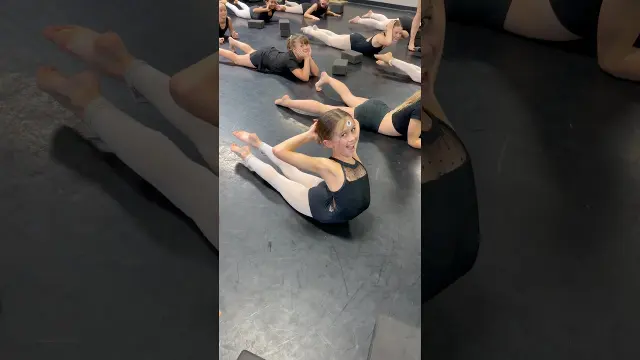 Dancer Showcase of Back Bends and Flexibility
Get new #Back Workout ideas by email
Every Thursday: the week's best ideas, with the newest from #Back Workout.
Related tags
Back Workout: A Beginner's Guide to Training Your Back
Your back is the quiet engine behind almost everything you do with your body. It holds you upright, pulls your shoulders into place, and connects your arms to your spine. A back workout is simply any session that trains those muscles — and unlike the muscles you can see in a mirror, the back rewards patient, consistent work rather than dramatic effort.
What the back actually is
The back is not one muscle but a layered group. The large *latissimus dorsi* gives the torso its V-shape and drives pulling movements. The *trapezius* runs from neck to mid-back and handles shrugging, squeezing and rotating the shoulder blades. The *rhomboids* sit between the shoulder blades and draw them together. Along the spine run the *erector spinae*, the columns that keep you standing. Deeper still lie smaller postural muscles that work all day without your notice.
Because these muscles pull rather than push, most back training is about drawing something toward you or drawing yourself toward something.
Read more
The main kinds of back training
Vertical pulling covers pull-ups, lat pulldowns and their assisted versions, where the arms travel from overhead down to the sides. Horizontal pulling covers rows of every sort — seated, bent-over, supported on a bench, done with a band or a dumbbell — where the arms travel from in front of you toward your ribs.
Then come the movements that are less about pulling: back extensions and hip hinges, which train the lower back and the muscles that hold your spine tall; and carries, where you walk while holding weight and your back works to keep you steady.
Bodyweight training adds another layer. Pull-ups and their progressions build strength without equipment beyond a bar, while movements like superman raises or bird-dogs offer a gentler entry point for anyone new to training. Yoga and dance traditions contribute their own vocabulary — backbends, spinal waves, and slow articulation of the spine — which build control and range rather than raw force.
What beginners should know
Start by learning the movement pattern before adding load. A row performed slowly with light resistance teaches far more than a heavy one yanked through a short range. Think about leading with the elbows and drawing the shoulder blade back and down before the arm bends.
Keep the spine long and neutral rather than arching to move more weight. If your lower back takes over a movement meant for the upper back, reduce the load.
Balance is the other habit worth forming early. A back workout belongs alongside pushing work for the chest and shoulders, and alongside core and hip training; the body is a system of opposing forces, and a strong back paired with a neglected front is only half the job.
Finally, give the muscles time. The back responds to two or three sessions a week with rest between them. Soreness in the muscles is ordinary; sharp pain, numbness or tingling down an arm or leg is not, and is a reason to stop and speak to a qualified professional.
Train the back you cannot see as carefully as the one you can, and posture, pulling strength and everyday ease tend to follow.
#Back Workout: frequently asked questions
How do I start back training if I've never really worked those muscles?
Learn the movement pattern first and treat added resistance as a later step. A slow pull with light resistance teaches far more than a heavy one rushed through a short range, so lead with the elbows and set the shoulder blade back and down before the arm bends. Gentle bodyweight options like superman raises and bird-dogs are a comfortable entry point while you build the habit.
What equipment do I actually need for a back workout?
Very little to begin with — your own bodyweight and a resistance band cover a surprising amount of ground. A pull-up bar adds vertical pulling, and a set of dumbbells or a bench makes rows easier to control and progress. A gym is convenient but not a requirement, since the same patterns work at home with lighter loads and slower tempo.
Which kind of back training should I pick — pull-ups, rows, or something gentler?
Ideally include both vertical and horizontal pulling, because drawing your arms down from overhead and drawing them in toward your ribs train the back differently. Rows in particular carry over well to everyday posture, while extensions, hip hinges and loaded carries bring in the lower back and the muscles that hold you tall. If you want control and range more than raw force, the backbends and spinal work from yoga and dance traditions are a good complement.
What are the most common mistakes people make when training their back?
Going too heavy too soon is the usual one, which shortens the range and turns a back movement into an arm yank. Arching the lower spine to move more resistance is another; if your lower back takes over a movement meant for the upper back, the load is too high. Shrugging the shoulders up instead of drawing the blades back and down is a quieter error that leaves the mid-back barely working.
Where does back training fit alongside the rest of my routine?
Pair it with pushing work for the chest and shoulders, and with core and hip training, since the body balances opposing forces. A strong back next to a neglected front is only half the job. Give the muscles regular sessions with genuine rest between them rather than stacking back work day after day.
Can yoga or dance count as a back workout?
Yes, in a different currency — backbends, spinal waves and slow articulation build control and range rather than raw pulling strength. They work well as a complement to pulling movements or as a starting point if you're rebuilding confidence in how your spine moves. If strength is the goal, keep some rowing or pulling in the mix too.
Videos come from YouTube and posts from Instagram; titles and summaries are our own. All rights belong to their creators.