 Fluffy Avocado Potato Buns without Flour
#Baking
20 ideas
Fluffy Avocado Potato Buns without Flour
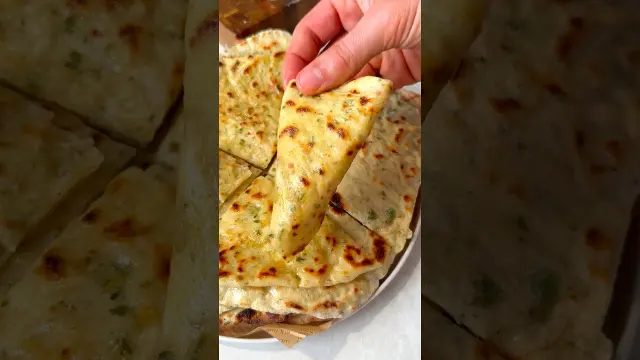 Soft Potato Flatbread Recipe
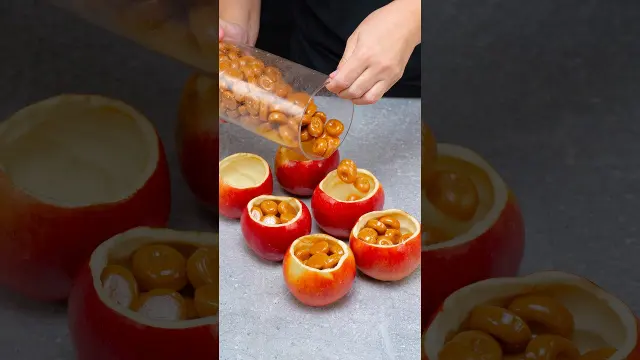 Caramel Apple Puff Pastry Dessert Recipe
 Loaf Pan Pizza Using Dinner Rolls
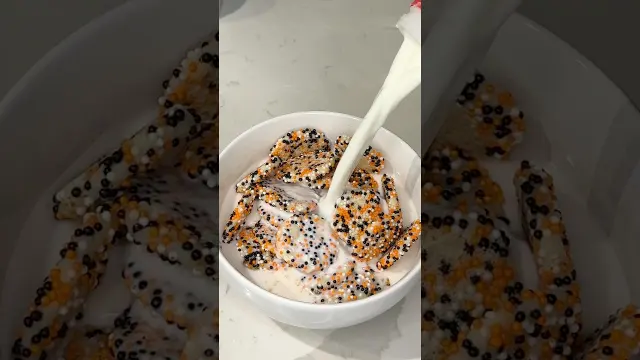 Mini Sugar Cookies Baking Recipe
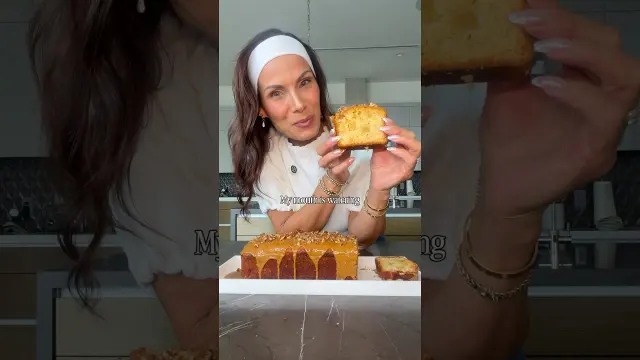 Five Ingredient Apple Cake Easy Recipe
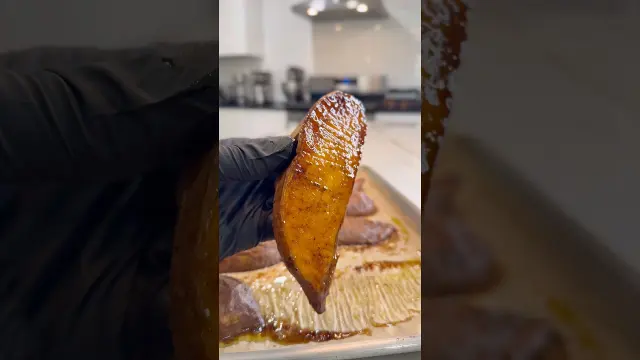 Caramelized Baked Sweet Potatoes with Maple Syrup
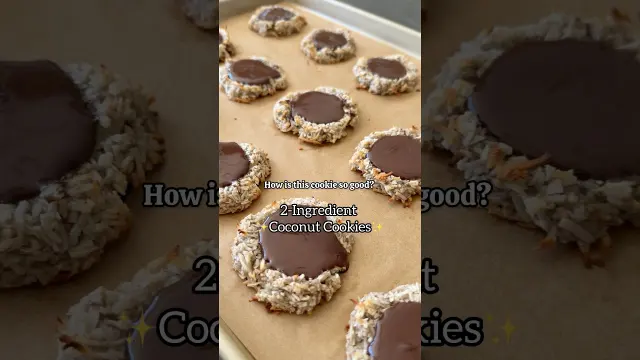 Two-Ingredient Coconut Cookies
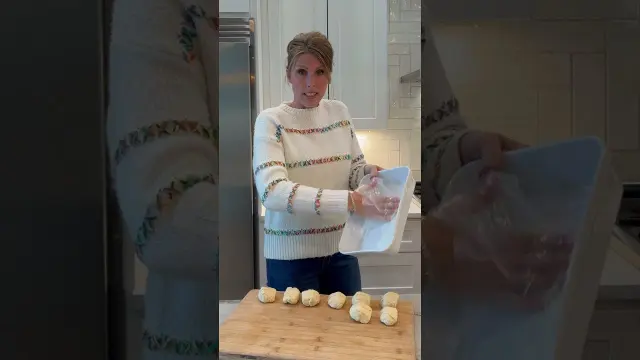 Easy Apple Dumplings with Crescent Rolls Recipe
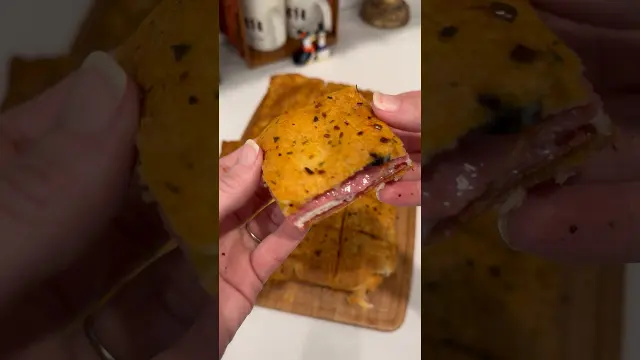 Zesty Italian Baked Crescent Roll Sandwiches
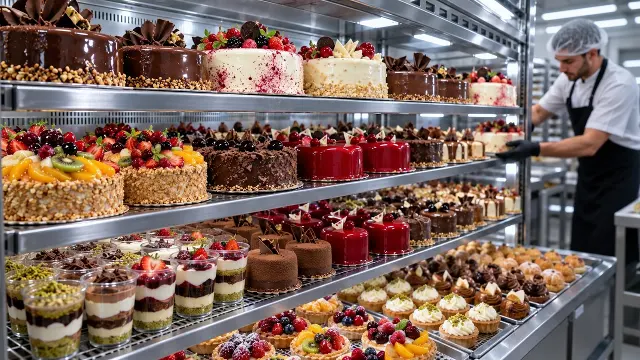 Inside a Busy Turkish Patisserie Kitchen
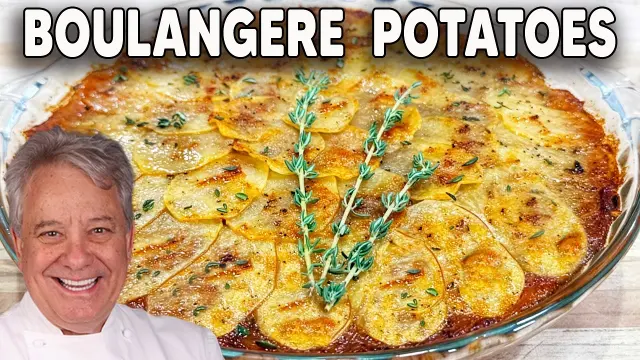 Traditional French Pommes Boulangere Recipe
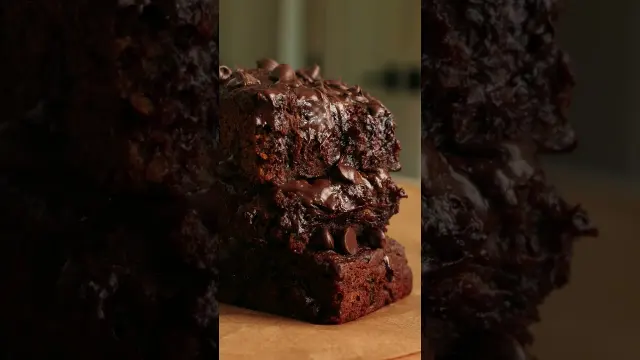 Fudgy Chocolate Sweet Potato Brownies
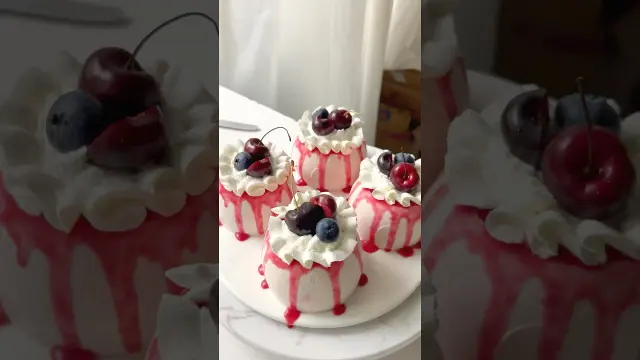 Cherry Cocoa Mini Cakes Baking Recipe
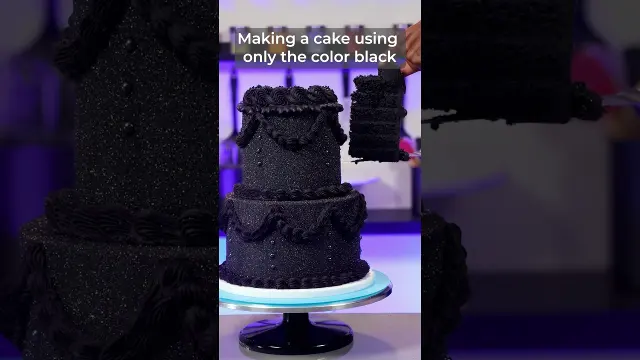 Monochromatic Black Cake Decorating Process
 Building an Extremely Tall Layer Cake
 Easy Homemade Focaccia Bread Recipe
 Easy One Bowl Healthy Banana Bread Recipe
 Ruth's Chris Copycat Stuffed Chicken Breast
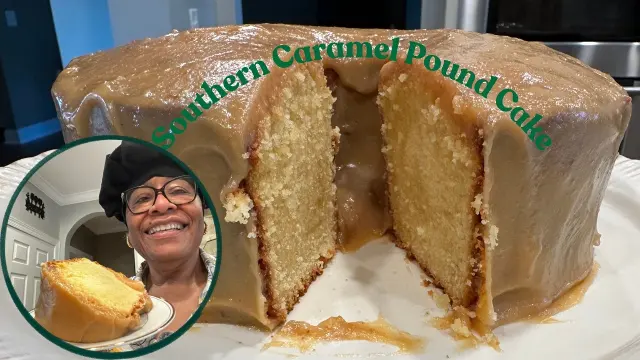 Homemade Southern Caramel Pound Cake Recipe
Get new #Baking ideas by email
Every Thursday: the week's best ideas, with the newest from #Baking.
Related tags
Baking Basics and Classic Baking Ideas
What baking is
Baking is the method of cooking food with dry, surrounding heat, usually in an oven. It is one of the oldest and most widely used ways of preparing food, and it covers everything from bread and cakes to cookies, pastries, pies, and savory dishes. At its heart, baking is about mixing ingredients, shaping or pouring them, and letting heat transform them into something structured, tender, crisp, or airy.
You may bake sweet recipes, like muffins and brownies, or savory ones, like flatbreads, stuffed bakes, and casseroles. Some baked foods are meant to be soft and delicate, while others are rustic and hearty. That variety is part of what makes baking so satisfying.
Common kinds of baking
Read more
Baking includes many familiar styles and techniques.
- Bread baking: loaves, rolls, buns, flatbreads, and enriched doughs
- Cake baking: layer cakes, loaf cakes, sponge cakes, and sheet cakes
- Cookie baking: crisp, chewy, soft, or crumbly cookies
- Pastry baking: pies, tarts, turnovers, and puffed doughs
- Savory baking: baked vegetables, casseroles, stuffed breads, and gratins
Each kind has its own texture and method, but they all depend on balance: the right amount of liquid, fat, sugar, flour, and leavening, if needed.
What beginners should know
If you are new to baking, start with recipes that use familiar ingredients and clear steps. Baking often rewards accuracy more than improvisation, especially at the beginning. Measuring well helps the result turn out as intended.
A few basics matter a lot:
- Read the full recipe before starting
- Gather ingredients and equipment first
- Use the right pan size when possible
- Preheat the oven before baking
- Avoid opening the oven too often
- Let baked goods cool as directed before slicing or decorating
It also helps to understand that baking is not only about time. Oven temperature, batter thickness, dough hydration, and pan material can all affect the final result.
Core techniques
Many baking recipes rely on a few common methods.
- Mixing dry and wet ingredients separately before combining
- Creaming fat and sugar to add air
- Kneading dough to build structure
- Folding gently to keep a batter light
- Proofing yeast dough so it rises properly
- Checking doneness with sight, touch, smell, or a test skewer when appropriate
If you are making bread, patience is important. If you are making cakes or quick breads, mixing gently can help keep the crumb tender. For cookies and pastries, chilling the dough can improve shape and texture in some recipes.
Practical tips for better results
For more consistent baking, keep these habits in mind:
- Measure carefully, especially flour and leavening
- Use ingredients at the temperature the recipe suggests
- Line pans or grease them well
- Rotate pans only if needed and if your oven bakes unevenly
- Cool baked goods on a rack when possible
- Store them properly so they stay fresh longer
If a recipe does not turn out perfectly the first time, that is normal. Baking is both a science and a craft, and small differences can change the result. The more you bake, the more you learn how dough and batter should look and feel.
Why baking is so versatile
Baking can be simple and homey or detailed and decorative. You can make a quick loaf for breakfast, a pan of savory potatoes for dinner, or a tall cake for a celebration. With a few reliable techniques, you can move between everyday recipes and more elaborate ones with confidence.
At its best, baking is practical, creative, and comforting all at once.
Videos come from YouTube and posts from Instagram; titles and summaries are our own. All rights belong to their creators.