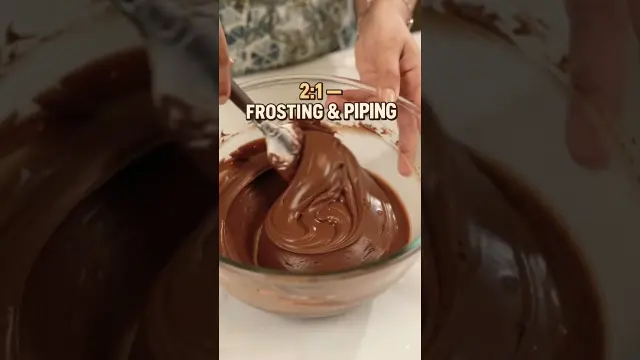
 Chocolate Ganache Ratio Guide for Bakers
#Baking Guide
2 ideas
Chocolate Ganache Ratio Guide for Bakers
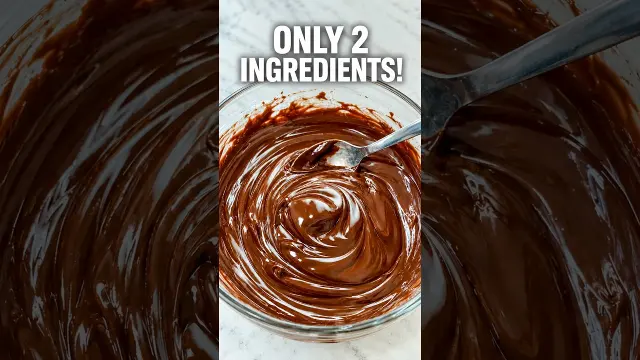 Two-Ingredient Chocolate Ganache Ratios Guide
Get new #Baking Guide ideas by email
Every Thursday: the week's best ideas, with the newest from #Baking Guide.
Related tags
Baking Guide for Home Bakers
Baking is the craft of turning simple ingredients into bread, cakes, pastries, cookies, and many other treats by using heat in a controlled way. Unlike many forms of cooking, baking is usually more exact: the balance of flour, fat, sugar, eggs, liquid, and raising agents has a strong effect on the final result. That is why baking rewards patience, careful measuring, and a little practice.
What baking is
At its heart, baking is a method of cooking with dry heat in an oven. It can create soft and tender bakes, crisp and flaky textures, or airy and light crumbs depending on the ingredients and technique you use. Some bakes rely on yeast for rise, while others use baking powder, baking soda, steam, whipped eggs, or a combination of these.
Baking has long been part of home cooking and festive food traditions across many cultures. It includes everyday items such as loaves, muffins, biscuits, and simple cakes, as well as more elaborate pastries and decorated desserts.
Read more
Main kinds of baking
Baking covers a wide range of foods, but a few broad categories help make sense of it:
- Bread and yeasted doughs: made with flour, water, yeast, and salt, sometimes enriched with butter, milk, eggs, or sugar.
- Cakes and cupcakes: usually softer and sweeter, with a tender crumb.
- Cookies and biscuits: shaped doughs or batters that bake into crisp, chewy, or crumbly results.
- Pastries and pie crusts: doughs that aim for flakiness or a delicate bite.
- Quick breads and muffins: mixed with chemical leaveners instead of yeast, so they are faster to prepare.
Each type has its own balance of mixing, resting, shaping, and baking time.
Techniques to know
A few basic techniques make a big difference in baking:
- Measuring carefully: baking is more reliable when ingredients are measured consistently.
- Mixing correctly: overmixing can make some bakes tough, while undermixing can leave uneven pockets of flour.
- Creaming, folding, and whisking: these methods create different textures and help trap air in the batter.
- Kneading: used in many breads to develop structure.
- Resting and chilling: helpful for doughs that need to relax, firm up, or hydrate evenly.
- Preheating the oven: gives bakes a steady start and helps with even rising.
If you are new to baking, read the recipe all the way through before you begin. It also helps to prepare your ingredients and tools first, so you can work without rushing.
Practical tips for beginners
Start with simple recipes that use familiar ingredients and clear steps. That makes it easier to learn how batters should look and how dough should feel. If a recipe is new to you, follow it closely the first time before making changes.
A few useful habits:
- Use room-temperature ingredients when the recipe asks for them.
- Keep your oven at the correct temperature and avoid opening it too often.
- Learn the difference between mixing just until combined and beating until light.
- Let baked goods cool as directed, since texture often sets as they cool.
- If a bake turns out differently than expected, note what changed so you can adjust next time.
Understanding texture and flavor
Good baking is not only about appearance. Texture matters just as much. A cake may be light and tender, a cookie chewy or crisp, a loaf airy inside with a good crust. Flavor comes from basic ingredients, but also from careful browning, proper salt balance, and enough baking time to develop depth without drying out the result.
With practice, you will begin to recognize how small changes affect the outcome. Baking becomes much easier when you learn to trust both the recipe and what you see, smell, and feel as you work.
Videos come from YouTube and posts from Instagram; titles and summaries are our own. All rights belong to their creators.