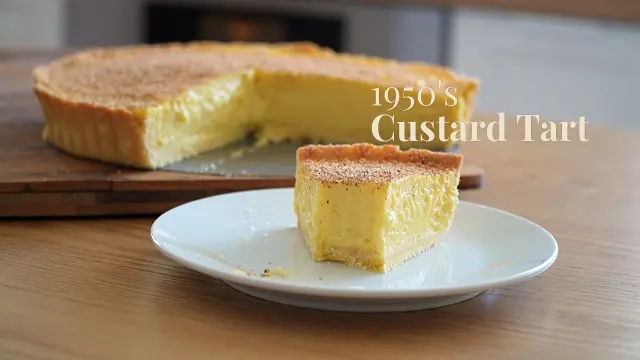
 Classic Gluten-Free Homemade Custard Tart Recipe
#Baking Recipes
1 ideas
Classic Gluten-Free Homemade Custard Tart Recipe
Get new #Baking Recipes ideas by email
Every Thursday: the week's best ideas, with the newest from #Baking Recipes.
Related tags
Baking Recipes: A Beginner's Guide to the Oven
Baking is the craft of turning a handful of ordinary ingredients into something transformed by heat: flour, water, fat, sugar, eggs, and a hot oven. It sits somewhere between cooking and chemistry, because the ingredients react with each other in predictable ways. Understanding those reactions is what lets you follow a recipe confidently and, later, adapt it.
Why baking rewards precision
Unlike savoury cooking, where a pinch of this and a splash of that usually works out, baking depends on ratios. Too much liquid and a cake collapses; too little fat and pastry turns tough. This is why baking recipes give weights and volumes rather than vague handfuls, and why measuring carefully matters more here than anywhere else in the kitchen. A simple kitchen scale removes most of the guesswork.
The familiar categories
Most home baking falls into a few broad families. Cakes and quick breads rely on chemical raising agents such as baking powder or bicarbonate of soda, and come together quickly. Yeasted breads use living yeast to ferment dough over hours, developing structure and flavour. Pastry — shortcrust, choux, puff — is built on the way fat and flour are combined. Biscuits and cookies sit in between, and desserts like custards and tarts often depend on eggs setting gently as they heat.
Techniques worth learning
Creaming butter and sugar introduces air that helps a cake rise. Folding, done with a large metal spoon or spatula and a light hand, keeps that air in when you add flour. Kneading develops gluten, the protein network that gives bread its chew. Resting dough lets gluten relax and flavours settle. None of these are difficult, but each one is worth doing deliberately rather than hurriedly.
Read more
What beginners should know
Read the whole recipe before you start, and set out your ingredients first. Bring butter and eggs to room temperature unless told otherwise. Use an oven thermometer if you can, because oven dials drift. Keep the oven door closed while things rise. And resist the urge to substitute freely in the early days — learn the recipe as written, then experiment.
Practical habits
Line tins properly and grease corners. Cool baked goods on a wire rack so steam escapes rather than softening the base. Store bread at room temperature and cakes in an airtight tin. When something goes wrong, note what happened; most baking problems — a sunken centre, a crumbly crust, a dense loaf — point to a specific cause you can adjust next time.
Baking rewards patience more than talent. Start with one recipe you like, make it several times until it feels automatic, and let the confidence carry you onward.
#Baking Recipes: frequently asked questions
How do I start baking if I've never done it before?
Pick a single simple recipe you actually want to eat and make it repeatedly until the steps feel automatic, rather than jumping between new recipes. Read it through completely before you begin and lay out your ingredients first, so you aren't hunting for something midway through mixing. Confidence comes from repetition, not from talent.
What equipment do I really need to begin?
A set of measuring cups and spoons or, better, a kitchen scale, plus mixing bowls, a whisk, a spatula and a lined tin will carry you through most beginner recipes. An oven thermometer is worth adding because oven dials often drift from the temperature they show. Everything else can wait until a specific recipe demands it.
Which type of baking should I try first?
Cakes, quick breads and biscuits are the friendliest starting point because they come together fast and rely on simple chemical raising agents rather than a long fermentation. Yeasted bread and layered pastry reward patience but demand more practice with dough handling. Custards and tarts sit in the middle, since they mostly depend on eggs setting gently as they heat.
How should I store what I've baked?
Cool everything on a wire rack first, so steam escapes instead of softening the base. Bread keeps best at room temperature, while cakes stay fresher in an airtight tin. Avoid sealing anything away while it's still warm.
What are the most common beginner mistakes?
Measuring loosely, opening the oven door while things rise, and substituting ingredients too early are the usual culprits. Butter and eggs should generally be at room temperature unless the recipe says otherwise, and folding should be done lightly to keep the air you've beaten in. When something goes wrong, write down what happened — a sunken centre or a dense loaf usually points to a specific cause you can change next time.
What can I bake for a special occasion?
A custard tart or a layered cake makes a generous centrepiece, and either can be made ahead so the day itself stays calm. For something simpler, biscuits and small cakes travel well and suit gatherings where people help themselves. Choose a recipe you've already made successfully rather than testing something new under pressure.
Videos come from YouTube and posts from Instagram; titles and summaries are our own. All rights belong to their creators.